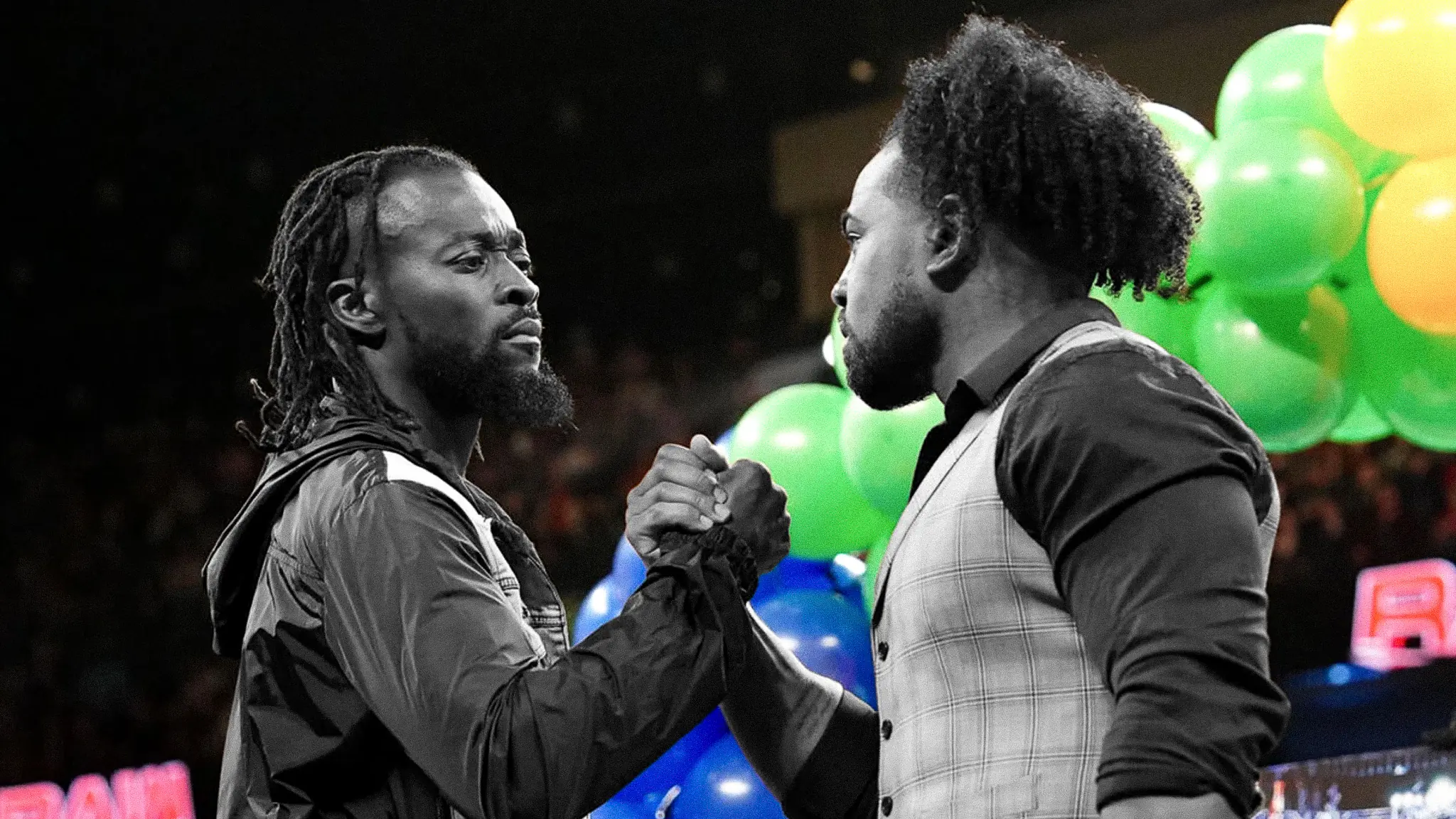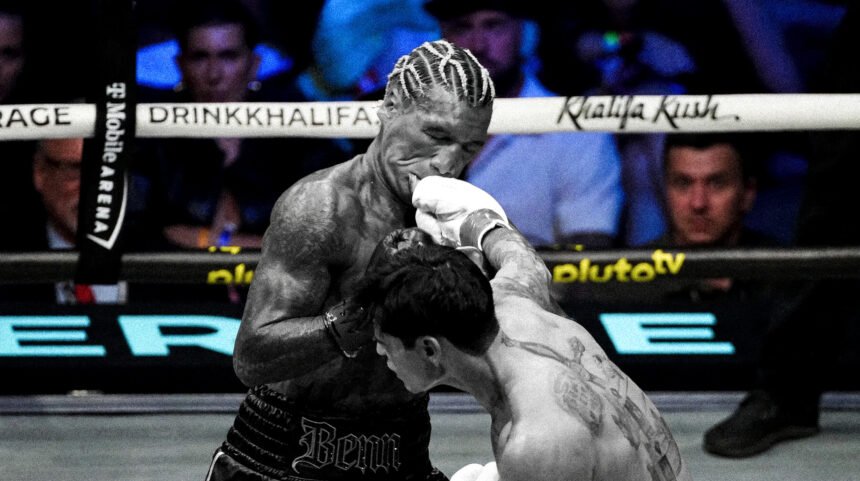

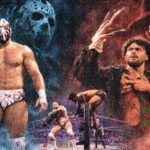


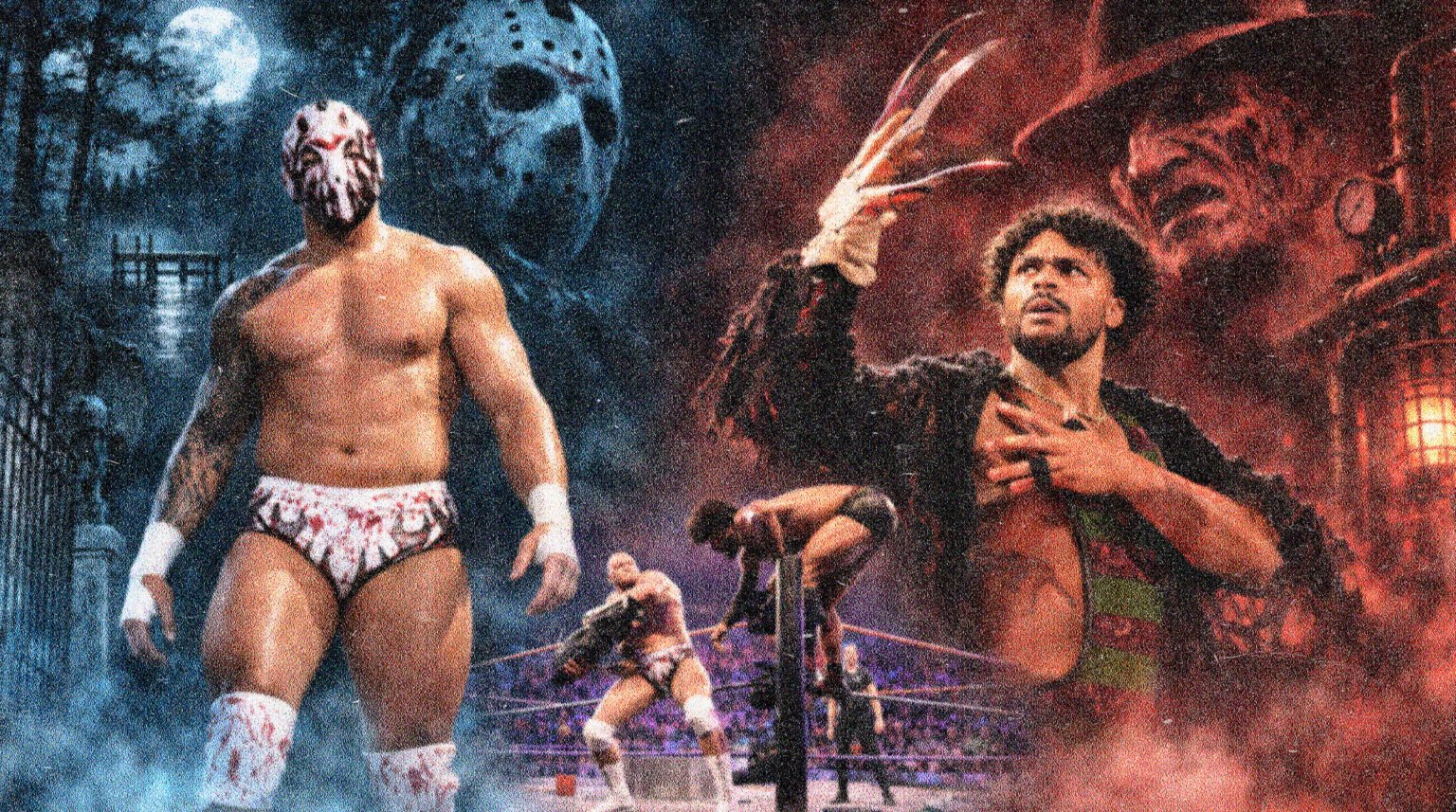

Myles Borne and Tavion Heights brought Freddy vs. Jason to Halloween Havoc. Borne rocked Jason Voorhees-inspired gear. Heights killed his Freddy Krueger look. For two former friends settling their differences in a match full of weapons, the pairing was an easy sell.
But their history makes the choice worth a closer look. Months of resentment, suspicion, and betrayal had turned their friendship into something deeply personal. Both men felt used, and both gave the other reasons to feel that way.
Borne believed he had to hurt Heights before Heights hurt him. By Halloween Havoc, they were returning each other’s cruelty.
In Freddy vs. Jason, Freddy uses Jason for his own gain, only to lose control of the violence he helped unleash. If their gear offers a clue about what comes next, winning the fight might be the least of Myles’ problems.
A Friendship With Something to Lose
Borne and Heights built their friendship in No Quarter Catch Crew, but leaving the group brought different rewards. Borne became NXT North American Champion. Heights was still chasing his first championship when he challenged his friend at the Great American Bash.
Competing for the same title put pressure on a relationship that had previously given them someone to rely on. Borne would later point to that conflict as proof that he had already been the one asked to forgive and move forward. Their eventual tag team championship reign suggested they could put those issues behind them.
Then Heatwave took away both of Borne’s titles in one night. After losing the tag team championship alongside Heights and then the North American Championship, Borne attacked his partner.
The turn landed because the tension had left room to expect trouble from Heights. His frustration made Borne’s success feel like a possible source of resentment. Instead, Borne was the one who struck.
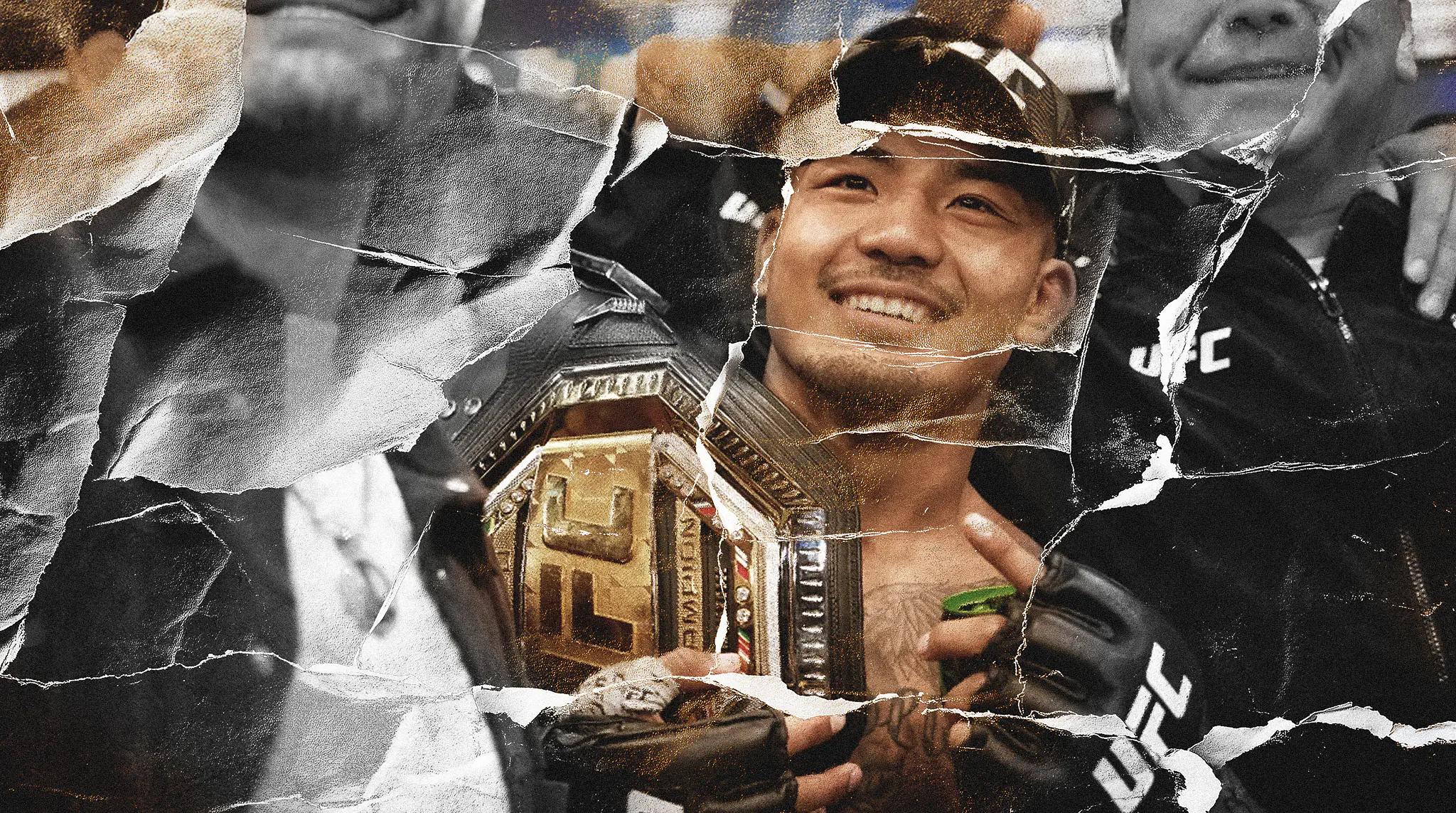


In his explanation afterward, he pointed to Heights’ behavior and comments about how he might react to losing their tag titles. Borne believed an attack was coming and decided to act first.
“I got you before you got me,” he said.
Borne had taken something he feared and treated it as something Heights had already decided to do. Their history made that fear understandable. It also gave him enough material to justify hurting someone who had not attacked him that night.
An Apology They Almost Made You Believe
Borne soon began questioning whether he had been wrong about Heights. In a car promo, he questioned whether he owed Heights an apology and wished him luck in his championship match against Jackson Drake. Watching alongside Heights, Hank Walker thought Borne sounded genuine.
That hesitation gave the story room to breathe. Borne could be angry, ashamed, and afraid of being made a fool of at the same time. Heights could miss his friend without being ready to trust him.
When they finally spoke in the ring, Borne brought up their earlier championship conflict and the forgiveness he had already extended. Heights acknowledged that his own behavior might have planted doubt in Borne’s mind.
Neither man had to invent every grievance. Heights had reasons to feel betrayed, and Borne could point to moments that made him question the friendship. Their performances let those feelings coexist long enough for reconciliation to seem possible.
Heights accepted the apology. They embraced. Then Borne hit him with Borne Again and attacked his ankle with a chair.
The second attack was harder to explain away as an emotional reaction to losing everything. Heights had just offered him a way back.
Borne later claimed he had not planned it. He said apologizing made him feel like a sucker and brought up Ethan Page’s warnings about friendship and success.
Even accepting that explanation leaves something ugly underneath it. Borne had become so concerned with protecting himself that forgiveness felt dangerous. Heights lowering his guard did not reassure him. It gave him another opening.
Myles feared betrayal so much that he made trust impossible.
When Both Men Feel Used
By their final confrontation before Halloween Havoc, they were questioning what their friendship had ever meant.
Heights accused Borne of looking out for himself throughout their time together and searching for someone to blame when things went wrong. Borne argued that he had earned his singles success alone and that Heights had latched onto him because he could not accomplish the same things himself.
A shared championship could now be remembered as evidence of loyalty or convenience. Forgiveness could become proof of love or proof that someone had been foolish enough to trust again. Each man could revisit the same history and find another reason to resent the other.
That is what made the rivalry feel personal. Both wanted the other to admit that the friendship had cost him something.
Their responsibility was not equal simply because both had grievances. Borne had attacked Heights twice, including after receiving forgiveness. But Heights’ earlier behavior remained part of the story, making it harder to dismiss Borne’s distrust as something that appeared from nowhere.
The Chair Changed Hands
At Halloween Havoc, Heights trapped Borne’s ankle in a chair and picked up another. Borne pleaded with him to stop. Heights followed through anyway.
Borne was asking for mercy from someone he had punished for forgiving him.
Heights had already tried to repair the friendship. Returning the chair attack showed how far he had moved from that embrace. He was willing to inflict the same damage he had suffered, even with his former friend begging beneath him.
The moment also gave Borne something he could use. Heights was finally hurting him in the way he had feared. If Borne wanted confirmation that his friend had always been a threat, he could find it there.
Doing so would require him to ignore everything he had done to provoke that response.
Heights’ revenge can feel earned and still reveal how much the feud has changed him. Borne can recognize the violence in front of him without accepting his role in bringing it there.
If Heights forgives him, Borne worries he is setting himself up to be hurt. If Heights retaliates, Borne can claim he was right all along. The friendship has reached a point where almost any response can feed his suspicion.
Did Myles see this side of Tavion coming, or did he bring it out himself?
Jason Won, but Freddy Still Winked
Their Halloween gear gives that question another layer.
In Freddy vs. Jason, Freddy uses Jason to restore fear of himself, then discovers he cannot control the violence he set in motion. Borne’s Jason-inspired look fits the story he tells about himself. Someone else took advantage of him, and now he is fighting back.
That reading does not require Heights to be revealed as a secret mastermind. The costumes can reflect how Borne understands the conflict, even if his understanding is incomplete or self-serving.
The movie’s ending makes it even more compelling.
Jason emerges from the lake carrying Freddy’s severed head. He appears to have won. Then Freddy winks at the camera, casting doubt on how much that victory actually settled.
Borne, dressed as Jason, also left Halloween Havoc with the victory. Heights took the punishment and the loss. But if the comparison carries beyond their gear, Tavion is the one worth watching next.
He had already gone from accepting an apology to ignoring Borne’s pleas for mercy. Losing does not necessarily send him back toward forgiveness. It could leave him with even more reason to make sure Myles cannot move on.
Freddy vs. Jason never received a second movie to show what followed that final wink. Borne and Heights still have the opportunity to tell their next chapter. Their costumes may have been a Halloween tribute, but the film offers a fitting reason to question whether this rivalry ended with the bell.
Myles got the three-count. But Tavion may still get the last laugh.