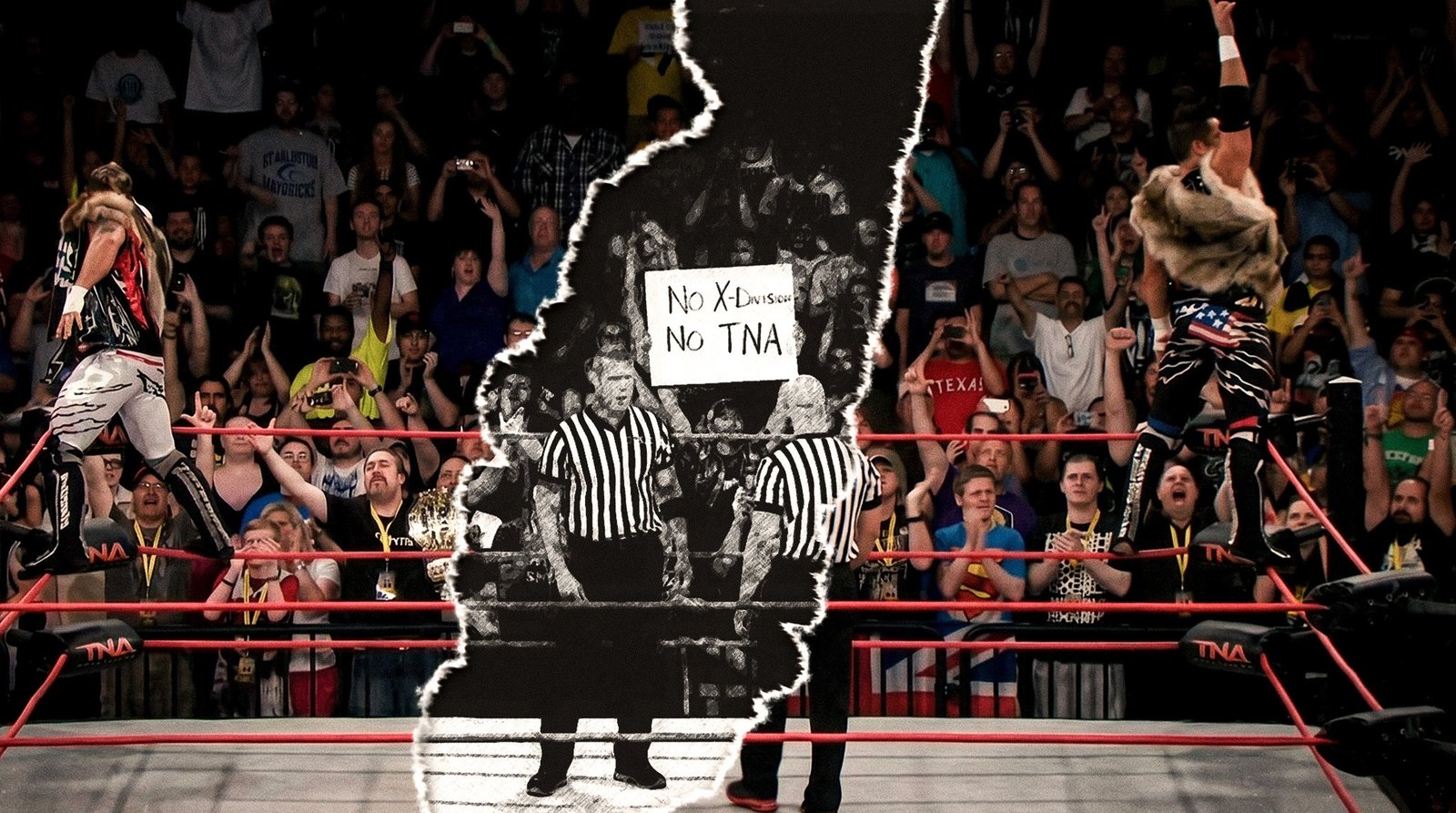





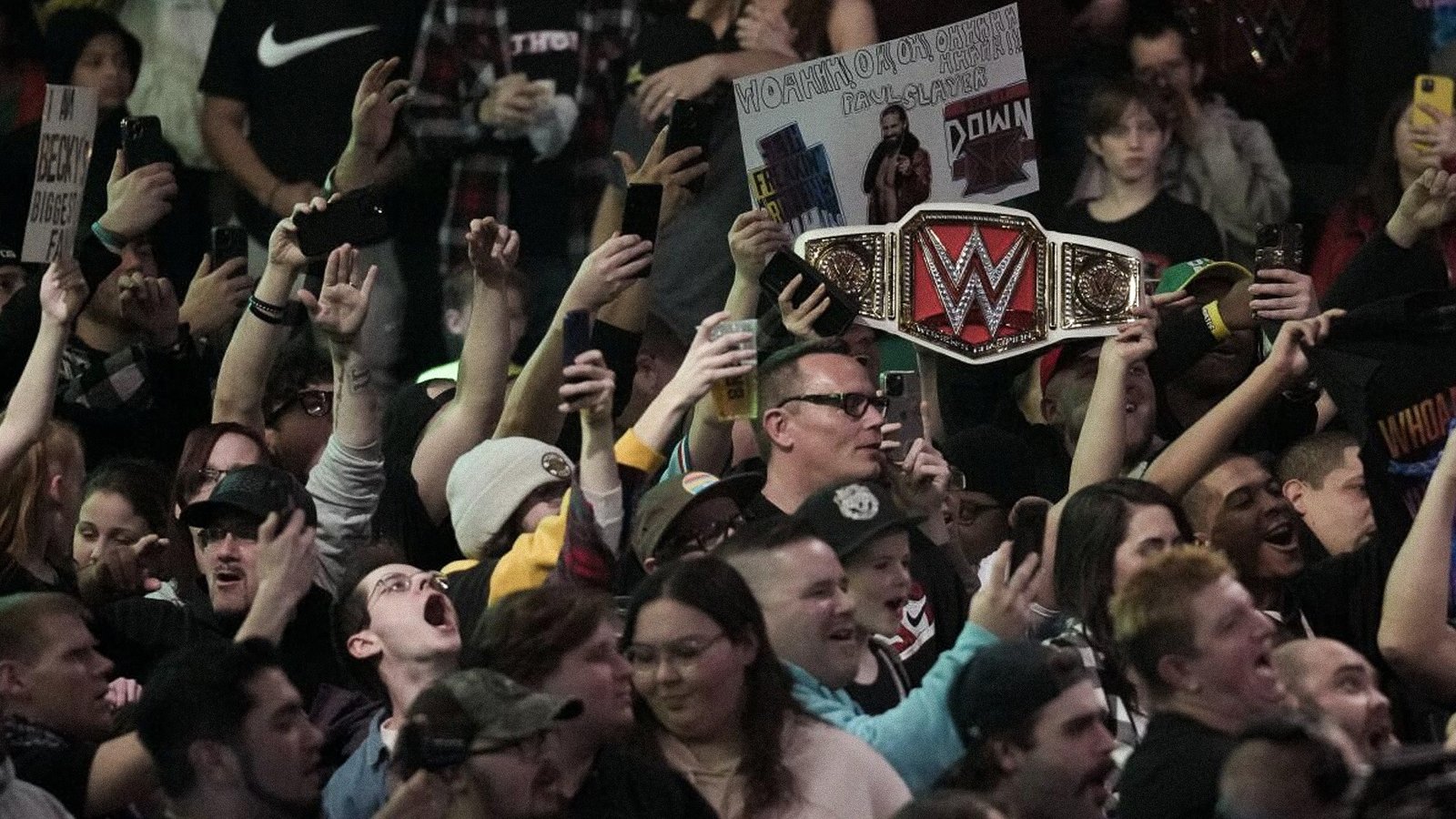

All things in life evolve, and professional wrestling is no exception. Over the decades, the biggest changes haven’t just occurred inside the ring, they’ve happened in the audience watching it. Wrestling fans in the United States have transformed in ways many people may not even realize.
One noticeable shift is how fans engage with social and cultural issues. For years, there was a stereotype that wrestling fans were largely uneducated and politically conservative. That perception has changed. Today’s wrestling audience is far more diverse and often more vocal about social issues and cultural conversations happening in the world around them.
Social Media: Good or Bad?
The rise of the internet and social media has also played a massive role in the evolution of the wrestling fan.
In the past, discovering wrestling outside of the United States wasn’t easy. Tape trading was once the primary way fans could watch promotions from other countries. Now, the internet allows fans to watch nearly any match in wrestling history with a few clicks.
Classic footage from promotions like All Japan Women’s Pro Wrestling can be found instantly, while databases like Cagematch help fans track match histories, dates, and results from across the industry.
Social media platforms such as X and Instagram have also made interaction between wrestlers and fans easier than ever before. While that accessibility can strengthen connections between performers and audiences, it has also created new problems.
In some cases, stan culture has amplified toxicity, with wrestlers receiving harassment or even death threats simply because fans disagree about their favorites.
When Fans Become Wrestlers
Another major shift is who becomes a professional wrestler in the first place.

In the past, many wrestlers didn’t grow up as fans of the sport. Instead, promoters often recruited athletes based on their size, look, or charisma. Others entered wrestling after injuries ended careers in sports like football or amateur wrestling.
Today, many wrestlers grew up watching the industry closely. They studied matches, promotions, and styles long before stepping into a ring themselves. That perspective, entering the business as a lifelong fan, has gradually changed how wrestlers approach storytelling, character work, and the craft of professional wrestling.
The result is an industry increasingly shaped by people who once sat in the crowd themselves.
Shaping the Future
The wrestling fans today are more connected, informed, and influential than ever before. They shape online conversations, support promotions across the world, and increasingly step into the ring themselves. The line between fan and performer has never been thinner.
As professional wrestling continues to evolve, one thing is clear, the audience isn’t just watching the business anymore. In many ways, they’re helping shape its future.