




Big men in pro wrestling have always been a hot commodity. That hasn’t changed and it shouldn’t.
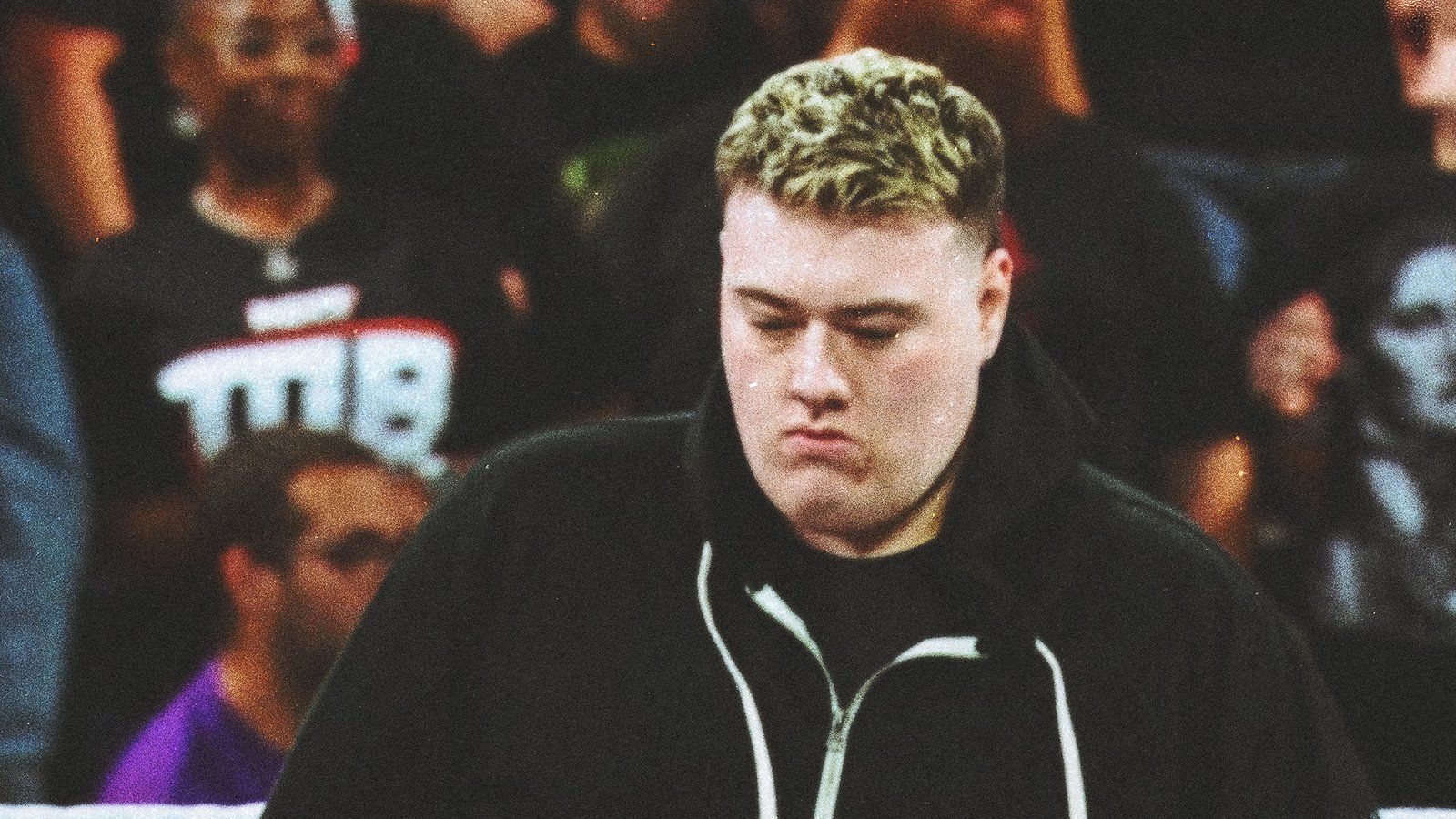
This past week, social media lit up when independent standout Will Kroos made his debut in WWE NXT, attacking the current champion Tony D’Angelo and laying him out with a moonsault. It was an eye-catching moment, the kind that gets people talking.
Unfortunately, not all of that conversation has been productive.
Almost immediately, parts of the internet wrestling community rushed to critique Kroos and big men like him, saying they need to “get in shape.”
Well… how about no?
Big Men = Money
This idea that bigger wrestlers are somehow a “problem” isn’t new. In fact, it’s as old as the business itself. The big man has always had a place in pro wrestling, and more often than not, they’ve delivered in ways that smaller, more traditionally athletic performers simply can’t replicate.
The formula is simple: every great champion needs a rival. And when that rival is a physically imposing, larger-than-life force, it raises the stakes instantly. Look back at names like Haystacks Calhoun, Gorilla Monsoon, and André the Giant. These weren’t chiseled, bodybuilder physiques. But, they didn’t need to be. Their presence alone told the story. And that presence helped define entire eras.
Would Hulk Hogan have become the household name he did without giants to conquer? Opponents like André the Giant, King Kong Bundy, and One Man Gang gave Hogan the ultimate challenge. The seemingly unstoppable force that had to be overcome. That contrast is what made the victories feel monumental.
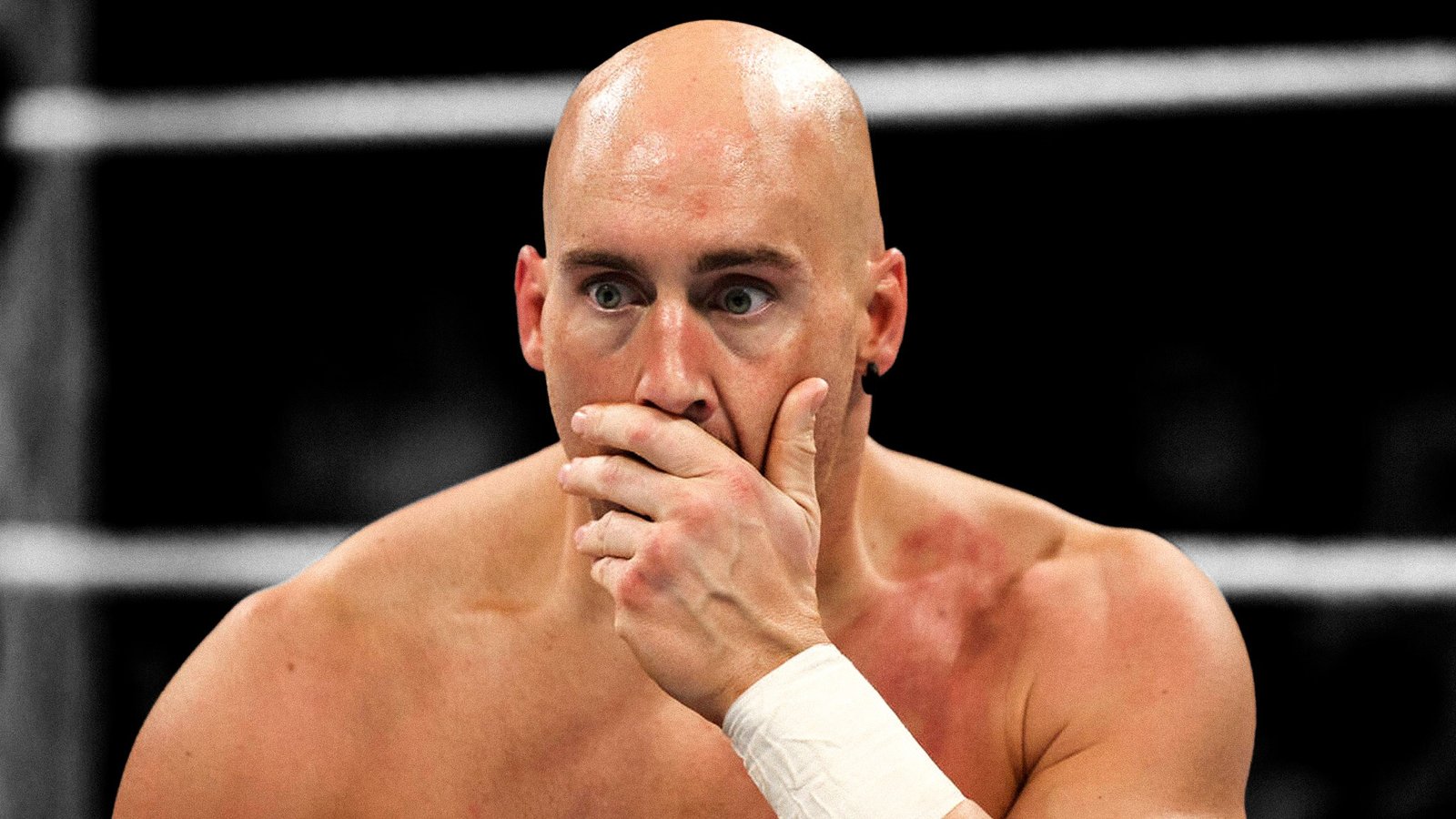
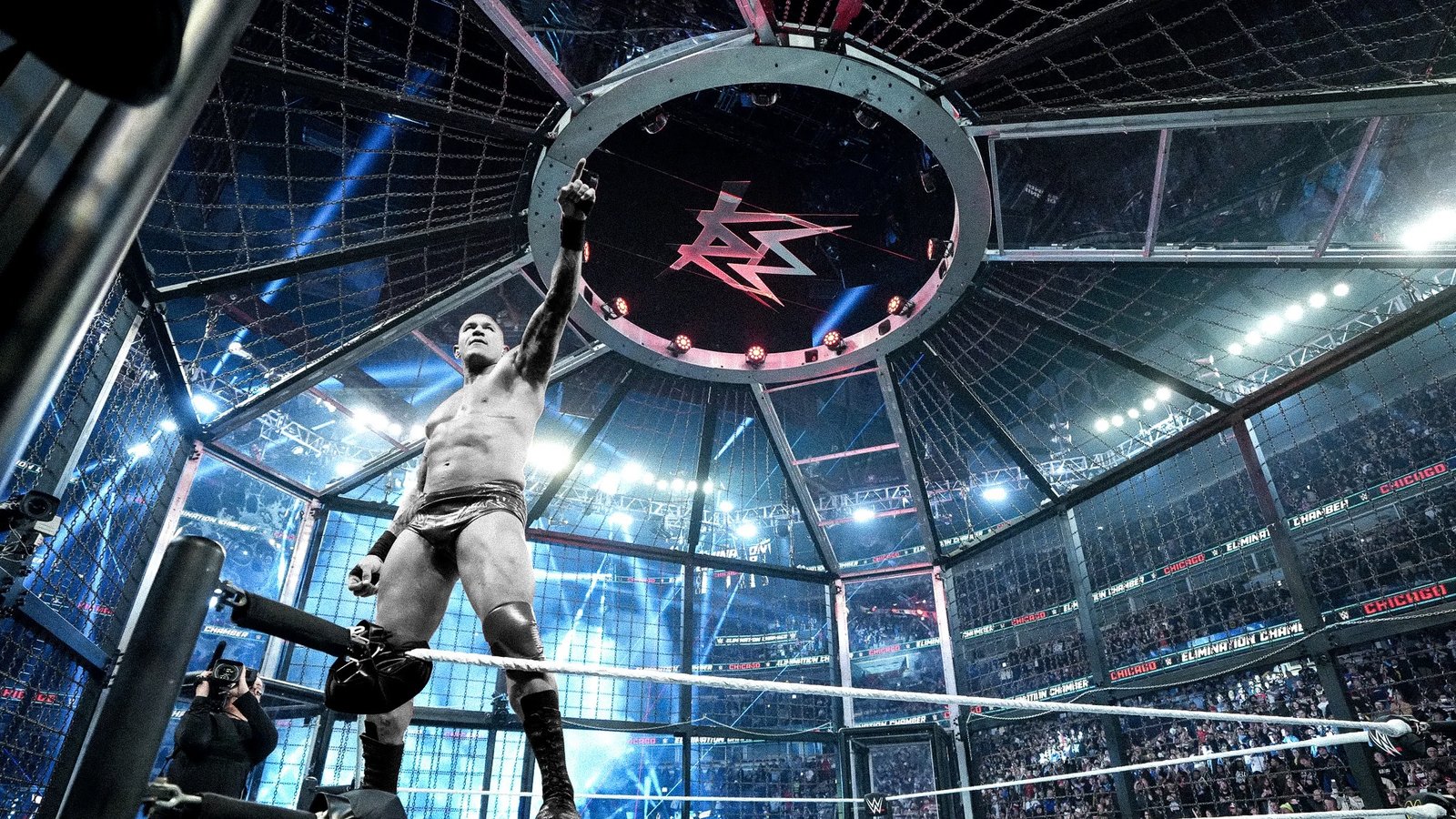
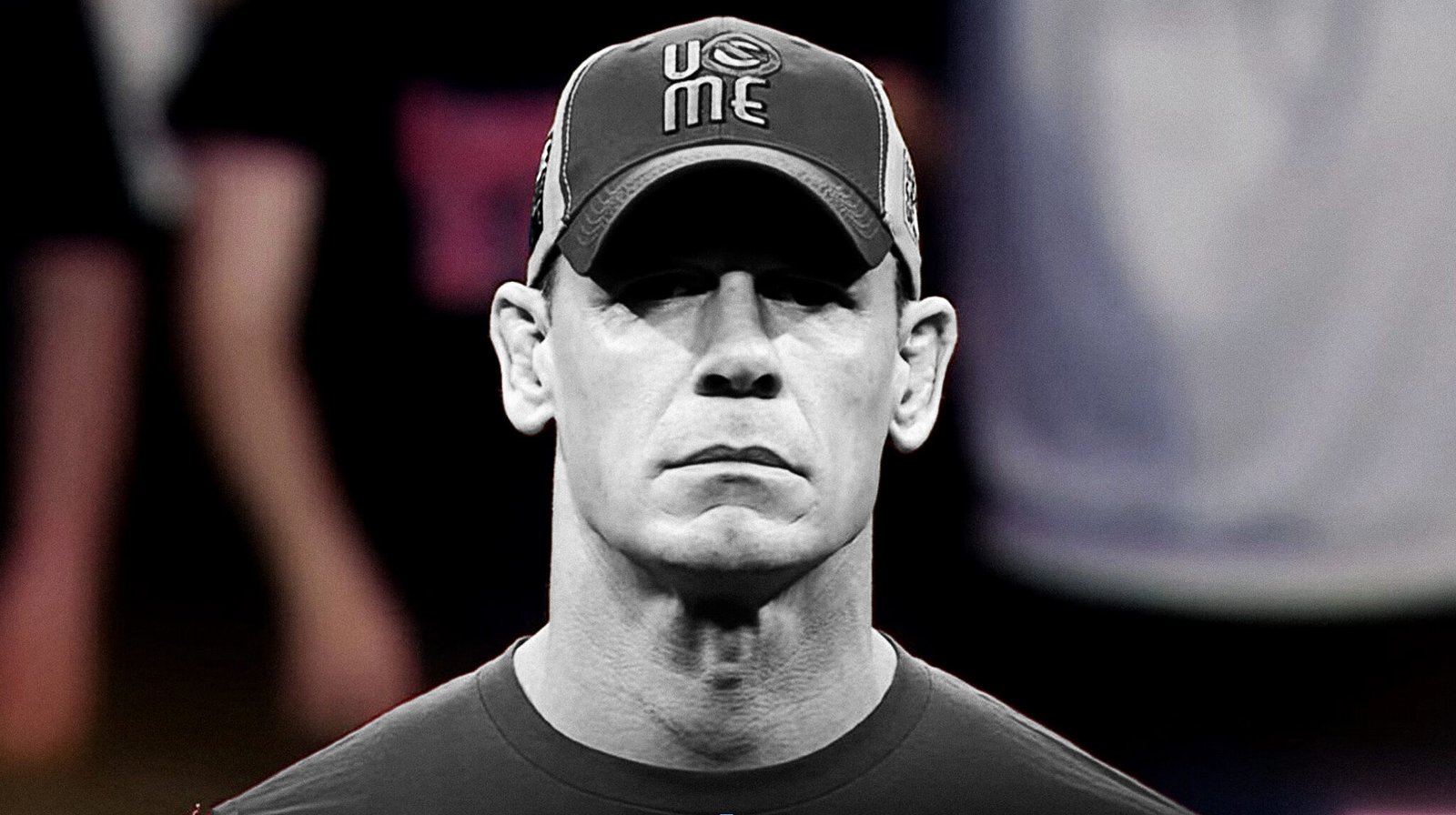
And the lineage didn’t stop there. From Kamala to Bam Bam Bigelow, from Abdullah the Butcher to Yokozuna, and from Rikishi to Big Show and Umaga, big men have consistently been some of the most memorable and impactful performers in the industry.
Today, that tradition is still alive through names like Bronson Reed in WWE, Brody King in AEW, and Matt Tremont on the independent scene. Now, you can add Will Kroos to that evolving list.
Giants Evolve
The difference? This new generation of big men isn’t just imposing, they’re dynamic. They move faster, hit harder, and bring a level of athleticism that previous eras only hinted at. Moonsaults from big men aren’t new, just ask Bam Bam Bigelow. But, today’s athletes are pushing those boundaries even further.
With sited influences like Mike Awesome, Samoa Joe and Terry Gordy, Kroos represents a blend of old-school presence and modern capability. That’s not a flaw, it’s just evolution. And yet, the criticism keeps coming.
First, fans complained that wrestling had too many smaller performers. Meanwhile, suddenly, wrestlers are “too big” or “too out of shape.” At some point, it starts to sound less like critique and more like people just wanting everyone to look the same, like a roster full of copy-and-paste physiques.
That’s not wrestling. That’s boring. What makes pro wrestling work is variety. Different sizes. Opposite styles. New looks. The clash of those differences is what creates compelling matchups and unforgettable moments. Take that away, and you lose a core piece of what makes the industry special.
Furthermore, pro wrestling is at its best when it embraces that diversity. When giants stand across the ring from underdogs, when power meets speed, when presence meets precision. Big men aren’t a problem. They’re a necessity. They always have been.
Overall, if history has proven anything, it’s that pro wrestling is a whole lot more fun when the big guys are part of the show.