


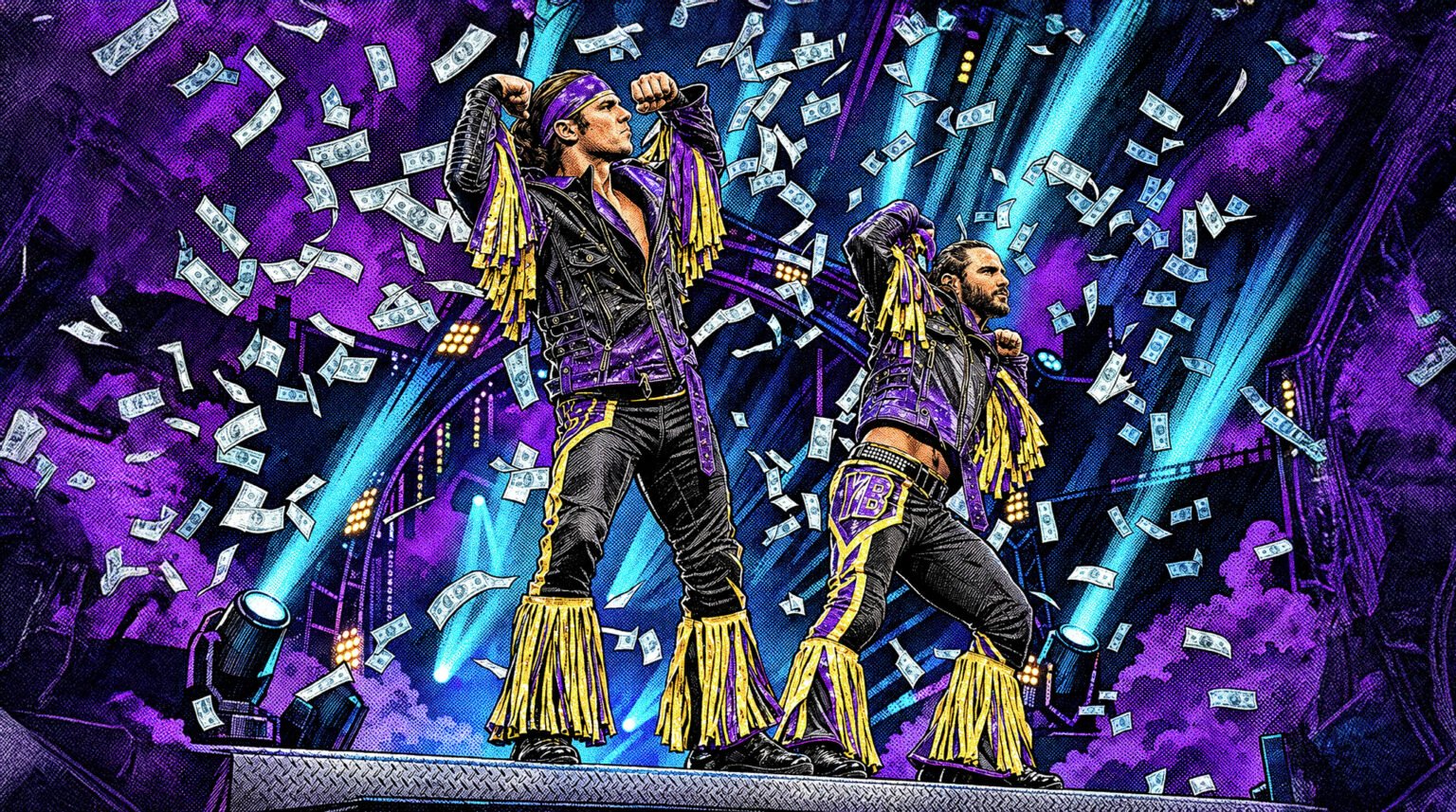

The Young Bucks built a career big enough to help launch a wrestling company without either brother having to become a singles star. Before AEW, Matt and Nick Jackson had already taken their act through PWG, Ring of Honor, and New Japan, put their merchandise in Hot Topic, and helped sell out All In alongside Cody Rhodes.
That is an extraordinary résumé for a tag team. Add the fractured friendships of Revolution 2020, the first FTR match, and the steel cage fight with the Lucha Brothers, and the argument for calling them the greatest becomes difficult to dismiss.
The Bucks could make a championship match feel like friends taking years of resentment out on each other. They could also make fans desperate to see someone wipe the smugness off their faces. Their partnership produced both, then helped give those matches a national platform of their own.
Staying Together Was the Career
Matt and Nick spent more than two decades building the Young Bucks. Their route ran through independent bookings, PWG, a TNA stint as Generation Me, Ring of Honor, and New Japan before AEW. The companies and audiences changed; the team remained their main attraction.
That separates their trajectory from teams whose histories are interrupted by lengthy singles careers. The Hardys and Edge and Christian produced major individual stars. For the Bucks, the partnership itself carried them from smaller venues to international recognition and executive roles in a major promotion.
Neither brother had to be presented as the breakout talent for the act to advance. Their value came from what a promoter could book them to do together. A Bucks match meant coordinated offense, an established personality, and an opponent with the chance to beat a team the audience already knew.
Staying together also gave rivalries time to develop. Their contrasting approach to FTR could sustain more than one meeting because each team represented a different answer to what tag team wrestling should look like. The result of one match left the other team with something to prove.
Three Matches That Show Their Range
At Revolution 2020, the Bucks challenged Kenny Omega and Hangman Page for the AEW tag titles. Page’s deteriorating relationship with The Elite made the match uncomfortable before the first near fall. These were friends competing for championships, with one of them increasingly alienated from the group.
Page and Omega retained, but the tension survived the finish. Omega embraced the Bucks afterward; Page remained apart. Winning together had not put the four men back on the same side. The Bucks helped make Page’s isolation visible within a match that could easily have been sold on the participants’ athletic ability alone.
Their first match with FTR at Full Gear 2020 gave the action a different purpose. Cash Wheeler and Dax Harwood had made their preference for traditional tag wrestling part of their identity. Beating the Bucks offered the chance to vindicate it.
Then Wheeler attempted a springboard 450 splash. He missed, and Matt caught him with the superkick that won the championships. FTR lost after Wheeler abandoned the approach his team championed. The finish reads as a mistake born of wanting to beat the Bucks at their own game, giving a flashy move consequences beyond another near fall.
At All Out 2021, the Bucks were the champions inflicting the punishment. Their steel cage match with the Lucha Brothers included a thumbtack-covered shoe, an especially nasty extension of the superkicks that had become their trademark. The excess served their arrogance because even with the titles, they wanted to humiliate the challengers.
Penta and Rey Fénix winning the belts delivered the release. The Bucks made themselves opponents worth surviving and champions worth dethroning. Their willingness to be that cruel gave another pair of brothers one of AEW’s most satisfying title victories.
Across those matches, the Bucks could be estranged friends, challengers defending their style, or champions abusing their position. That range is central to their claim. The same team could help tell all three stories without losing its identity.
The Excess Has a Purpose, Until It Doesn’t
The Bucks’ style gives critics plenty to work with. When an opponent appears to wait for the next combination, the cooperation becomes distracting. When another major move produces another kickout, the match can exhaust the suspense it is trying to create. Loose enforcement of tag rules can make the distinction between a tag match and a four-man free-for-all difficult to see.
But excess also suits the characters they play. The synchronized offense shows how practiced they are together. The posing and celebrations suggest they know exactly how impressive they look. As villains, they can turn that confidence into the reason fans want them beaten.
The thumbtack shoe at All Out pushes that relationship furthest. A familiar Bucks weapon becomes an act of deliberate cruelty. The audience gets the recognizable superkick, but the champions make it uglier. That is a specific use of their reputation, and a reason their style can support storytelling even when it appears most outrageous.
Fans Could Follow Them Between Promotions
The Bucks also solved a problem for wrestlers working outside one dominant television company, how to keep fans invested between bookings.
Being the Elite gave viewers somewhere to follow them beyond the next match card. Their personalities and relationships continued on YouTube even when their wrestling appearances took place in different promotions. Fans could keep up with the act without relying on one company’s television time.
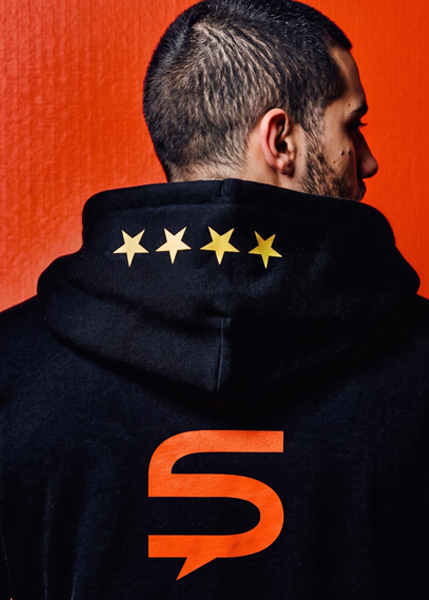
By 2018, Sports Illustrated was documenting their YouTube presence and merchandise in Hot Topic stores. Their audience could watch them online, buy their shirts, and follow them to another show. That connection had value before AEW existed.
All In tested how far it could travel. The event promoted by Cody and the Bucks sold out the Sears Centre in roughly 30 minutes. They were asking fans to buy into a show they were helping organize, with the appeal of the wrestlers driving the pitch.
Cody, the wider card, and the promotional partners shared in that achievement. The Bucks’ contribution was still substantial. A tag team had become part of the organizing force behind an arena event that demonstrated the demand for wrestling outside WWE.
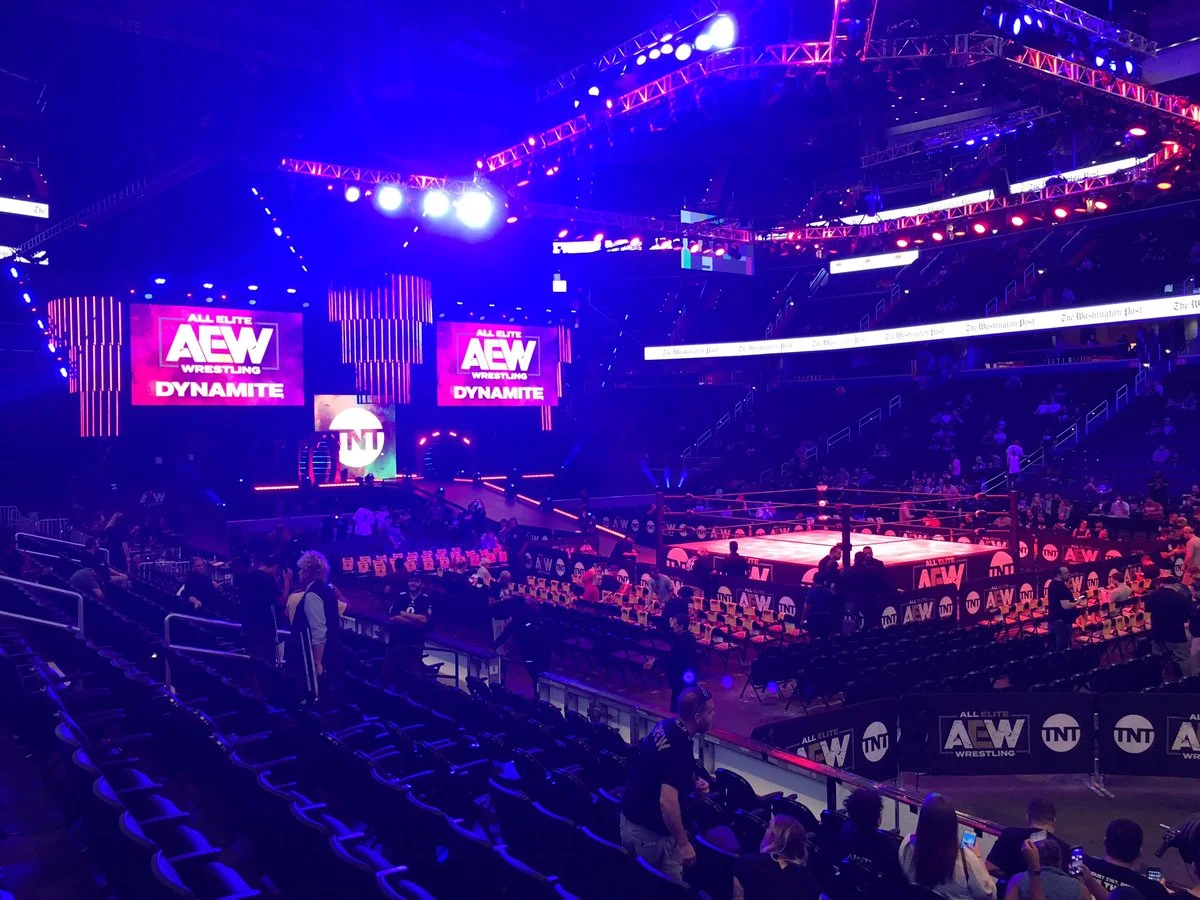
Their involvement in AEW’s launch carried that work further. Tony Khan identified them as early participants in his plans when announcing The Elite’s contract extensions in 2023. Their partnership had helped attract an audience that a new company could build around.
Why the Bucks Get the Pick
The Hardys, Dudleys, and Edge and Christian helped make tag team wrestling essential viewing through their rivalry and landmark ladder and TLC matches. The Road Warriors made a team’s presence feel like an attraction before the bell. FTR and the Motor City Machine Guns offer formidable opposition to any claim based on match quality.
The Bucks belong alongside those teams on the strength of their wrestling. Revolution, Full Gear, and All Out show how much they could contribute to a title match, including when another team was leaving with the belts.
Their work outside the ring is what puts them ahead here. Matt and Nick built an audience across promotions, helped turn that following into All In, and took part in creating AEW. Their standing as a team helped open opportunities for wrestlers who would never share a match with them.
That is why the Young Bucks get the pick as the greatest tag team ever. The partnership sustained the matches, the audience, and the business. Tag team wrestling took them all the way to helping build a company, with neither brother having to leave the other behind.