The Underrated Storylines That Could Define UFC Freedom 250

Read Time:7 Minute, 15 Second
UFC Freedom 250 might be the most unique and ambitious experiment in UFC history.
There are obvious headlines surrounding the event that are impossible to ignore. A historic card, The White House backdrop, massive stars, political attention and mainstream media coverage. But beyond the spectacle lie several fascinating storylines that could quietly shape the future of the UFC for years to come.
This isn’t just another pay-per-view event, it feels more like a live test case for what the UFC can become.
From the logistical challenge of hosting a major outdoor MMA event to the growing battle between Alex Pereira and Ilia Topuria for the title of the company’s biggest star, UFC Freedom 250 carries implications far beyond the championship fights. Questions surrounding presentation, branding, and the overall fan experience could prove just as important as what happens inside the Octagon.
When the event is over, the biggest takeaways may not be who won or lost a title, but what this experiment reveals about the UFC’s future.
Can The UFC Truly Pull Off Outdoor Events?
The UFC has held events in massive venues before. But, true outdoor MMA shows remain rare compared to sports like boxing or pro wrestling. That alone makes UFC Freedom 250 fascinating. Aside from the weather, there are a lot of variables to consider.
MMA is an incredibly controlled sport. Fighters are creatures of routine and consistency. Fighting at elevation, arena temperatures, lighting, cage conditions, walkout timing, locker room spacing, warm-up areas, crowd acoustics. All of that matters and is similar in many settings despite some outliers.
Outdoor events disrupt all of it.
Lighting and camera angles could completely change the viewing experience. Is there a reduced crowd atmosphere compared to enclosed arenas, even something as small as the UFC Apex? The Apex relies on precise lighting rigs with focused spotlights over the Octagon. Standard arenas also use fixed camera positions, while outdoor venues often require fully temporary broadcast setups.
Even crowd shots and fighter walkouts could feel entirely different. Regional promotions like Cage Warriors have put on outdoor events with small crowds. Might the UFC use a similar set up?
Other questions about running an outdoor event could include:
- Warm-up space
- Fighter walkout timing and music
- Travel between locker rooms and the cage
- The number of cornermen allowed
- Crowd visibility issues
- Broadcast complications
Why Stay Confined to Arenas?
What about the potential future for stadium events? Pro wrestling promotions have successfully booked outdoor stadiums for events for years.
This could be an experiment to see if the UFC can truly put together an outdoor event before trying to sell out seats in a stadium. Can they draw a big enough crowd to sell that many seats?
If the UFC nails the visual presentation, the White House card may open the door for more destination-style events in iconic locations worldwide.
Because if boxing can stage cards with The Pyramids of Giza as the backdrop, the UFC may start asking itself a bigger question. Why can’t we do it too?
While this is truly a once in a lifetime event at the White House, it could become a trend to promote these spectacle type of events:
- UFC cards on beaches
- International landmark venues
- Purpose-built outdoor fight festivals
- Massive football stadium events
- Tourism-driven destination cards
Will UFC Freedom 250 Be a Cinematic Performance?
UFC Freedom 250 feels different. It’s not just about attendance numbers. It feels like a historic moment in time. There has never been a sporting event with the White House as a backdrop, and that setting alone gives it an aura few locations could ever replicate.
This is about presentation. If the UFC can successfully produce a cinematic outdoor experience with strong audio, clean visuals, tight pacing, and elite-level fights, it could reshape how the promotion approaches its biggest events. UFC 306 at The Sphere wasn’t just a fight card; it was a full production spectacle, a cultural showcase of Mexico’s fighting spirit.
Could UFC Freedom 250 follow a similar path?
The event is built to commemorate the 250th anniversary of the United States, so it would make sense for the presentation to reflect that history in some form. The question becomes how that story is told. Will there be video packages, live performances, or other themed elements woven into the broadcast?
At UFC 306, long video packages aired between fights, and while the visuals were praised, fan reactions to the pacing were mixed. Could the UFC refine that approach here, leaning more into fight-focused hype packages and walkout storytelling instead? Giving fans more connection to fighters as they make their way to the Octagon could be a more natural fit.
There’s also the question of tone. With a significant portion of the White House South Lawn seating expected to be reserved for military personnel, will the event lean more heavily into themes of service and national appreciation as part of its identity?
The MVP Debate Makes This Event More Interesting
Another underrated layer to this card is how it compares to the MVP MMA event conversation. Dana White has clearly said that he doesn’t care about what other promotions do. But is that really true?
When MVP explored its own event concepts and presentation ideas, criticism quickly followed. Some fans argued it felt more like spectacle than sport. Ironically, many of those same criticisms could now also be aimed at UFC Freedom 250. Too much politics, relying on theatrics, too much attention on the presentation, focused on optics instead of quality fights.
But there is one major difference.
MVP called the UFC out on multiple occasions, that was the whole basis of the event. Call attention to problems with fighter pay and benefits.
They had Jon Jones complaining about his UFC contract and talking about how he wants get out of it. Ronda Rousey was taking a stance against “TKO’s UFC” during the press conference. Jake Paul was talking about how UFC Freedom 250 was a trash card.
The UFC has spent decades building trust with fans that it can consistently deliver elite-level fights. That brand power matters. Plus, the UFC knows how to hold a press conference too. Still, if the card underdelivers inside the cage, the criticism will become unavoidable.
Will A Sunday PPV Actually Hurt The Event?
The Sunday scheduling may quietly become a more important business storyline attached to UFC Freedom 250.
For fans, Sundays create complications:
- Work the next morning
- Different viewing habits
- Less party atmosphere
- Potentially lower late-night engagement online
Historically, combat sports thrive on Saturday energy. But Sundays also present opportunities. The NFL has built massive success around Sunday broadcasts, and this event benefits from reduced competition in the sports calendar, even if the NHL or NBA Finals could potentially overlap at some point.
Casual viewers may also be more likely to tune in simply because of the mainstream attention surrounding the White House setting.
For fighters, the shift could be even more unusual. A one-day change might sound minor, but at this level it can matter. Regional promotions run events on different days, but not on this scale. The UFC is built around Saturdays—it’s part of the rhythm of the sport.
Most athletes structure their entire fight week around Saturday competition. Weight cuts, media obligations, sleep schedules, meal timing, and recovery routines are all built on decades of Saturday-night combat sports tradition.
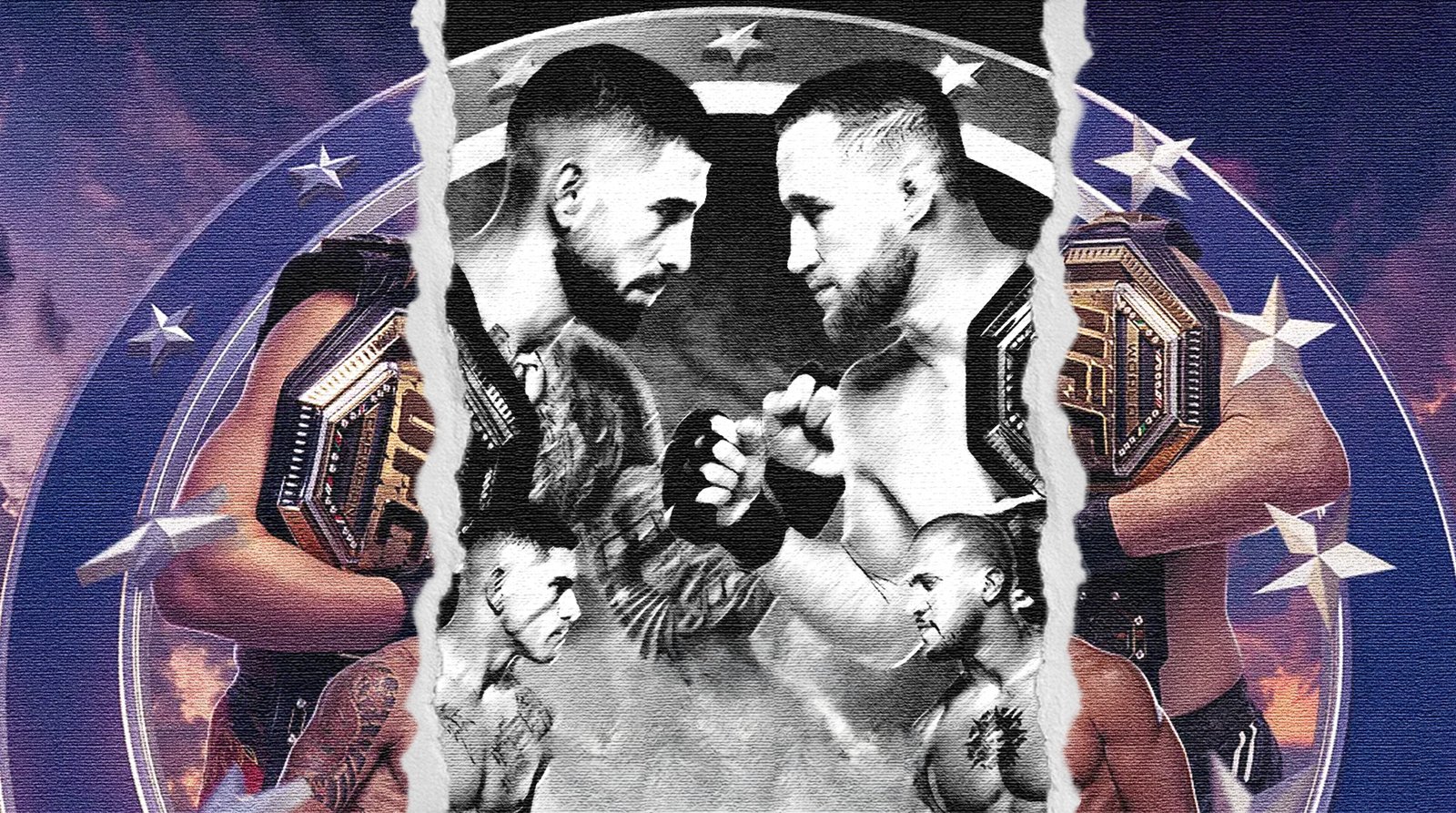
Alex Pereira vs. Ilia Topuria: The Quiet Battle For The UFC Throne
Perhaps the most fascinating storyline attached to Freedom 250 is not even the fights themselves. It is the symbolic positioning of Alex Pereira and Ilia Topuria.
For years, the UFC revolved around massive crossover stars like Conor McGregor and Ronda Rousey. Fighters who transcended the sport with larger than life personalities and even larger fan followings. Now the UFC appears to be searching for its next defining global face. And the White House card may reveal who currently holds that spot internally.
Alex Pereira landing the UFC 6 cover felt like official recognition of his superstar status. His aura, knockouts, and rapid rise turned him into one of the promotion’s most bankable names.
But, Ilia Topuria receiving the main event slot at the biggest event in UFC history says something equally important. The UFC clearly views both of them as central to its future.
In many ways, it mirrors the balancing act the UFC once had with McGregor and Rousey. Two very different stars competing for cultural dominance inside the same company. UFC Freedom 250 may quietly be telling us who the UFC believes is truly leading the next generation.

Happy
50 %

Sad
0 %

Excited
0 %

Sleepy
0 %

Angry
0 %

Surprise
50 %
About Post Author