



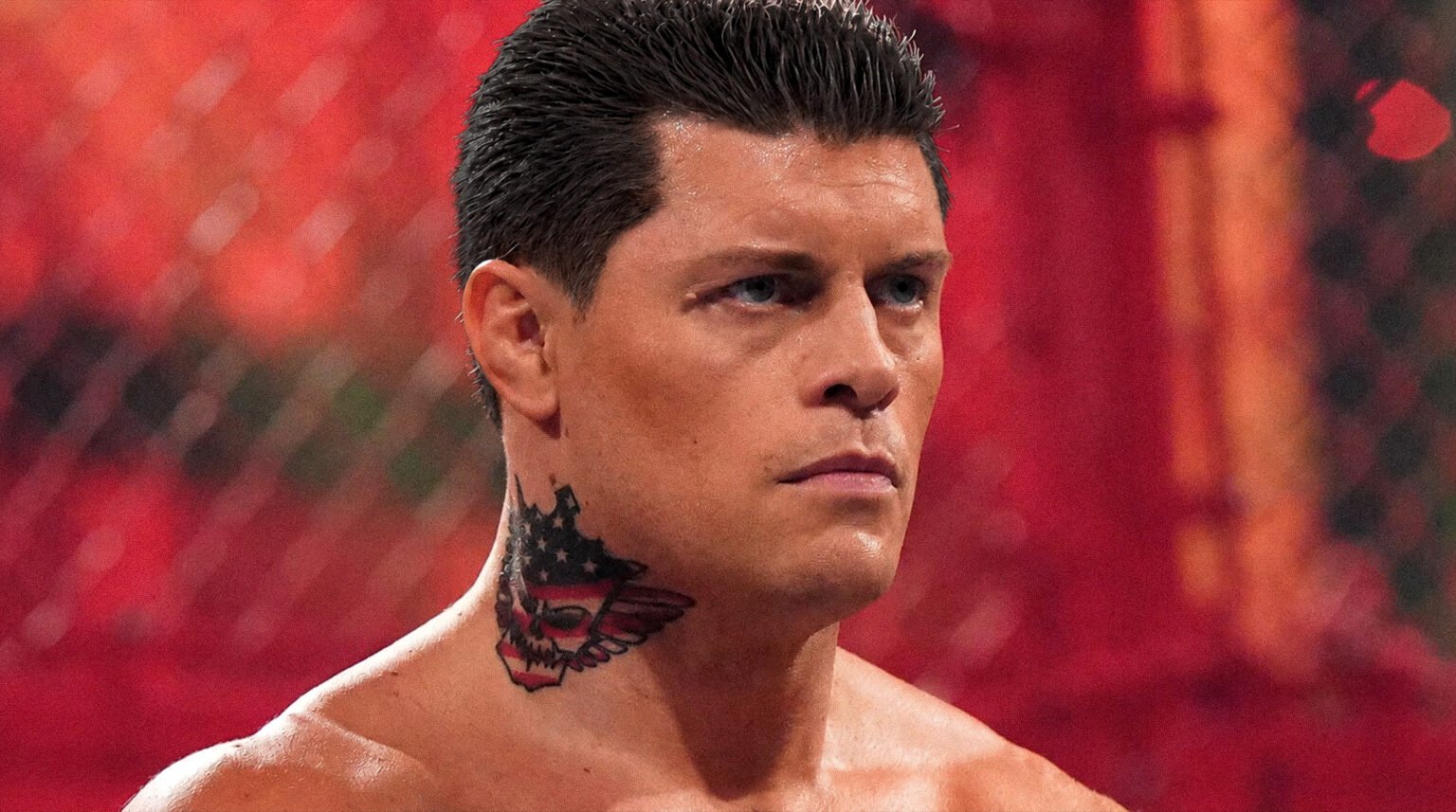

A Cody Rhodes heel turn will come down to more than fans demanding a change.
WWE has a business decision to make, and unless dissatisfaction starts affecting the numbers the company cares about, there is little reason to expect it to abandon his role.
Since returning to WWE at WrestleMania 38 in 2022, Rhodes has become one of the company’s central stars. His journey back, following runs outside WWE and his involvement in founding AEW, gave audiences a story to invest in. But maintaining that investment presents a different challenge from building it.
Calls for a change have raised a familiar question about how long Cody can remain effective in the same role. But what would actually convince WWE to change course?
A Familiar Debate From AEW
Cody faced a similar debate toward the end of his AEW run. As sections of the audience turned against him, his refusal to embrace a conventional heel turn became part of the frustration surrounding his character.
Speaking with Ariel Helwani in 2023, Rhodes described withholding the turn fans wanted as an attempt to play the villain. He also acknowledged that the approach may have been too nuanced and failed to connect as intended.
Whatever his intention, the resistance to a conventional heel turn became part of what fans disliked about his presentation.
Fan Frustration Has to Affect the Business
Cody himself has acknowledged the possibility of fatigue. During his recent interview with Chris Van Vliet, he raised the subject before qualifying how far it had set in.


There is a difference between fans wanting something new and fans losing enough interest to stop supporting what already exists. WWE has reason to pay attention to both, but the second creates greater pressure to act.
If audiences continue buying Cody’s merchandise and paying to see him, the company can reasonably conclude that his babyface role still works. Online criticism and mixed reactions would then be problems to manage through his stories, opponents, and presentation.
The calculation changes if that dissatisfaction begins affecting business. Sustained declines in merchandise demand or other indicators of audience investment would give WWE a stronger reason to reconsider his direction. Those changes would still need context, but they would make the argument for staying the course harder to defend.
That is the most convincing potential trigger for a heel turn. WWE would need to believe that changing Cody offers more value than continuing with the version audiences already know.
WWE Needs a Reason to Change Course
In May, Rhodes said he was open to turning heel when that became the plan. His willingness leaves WWE with the bigger decision of whether a turn would benefit the company.
WWE’s problem is that it has not built a clear successor to Cody as its leading babyface. Having other popular wrestlers is different from having someone ready to carry that responsibility. Turning him heel would create a vacancy the company has not adequately prepared to fill, giving WWE another reason to protect his current role.
WWE’s booking also deserves more of the blame for Cody’s stagnation. His WrestleMania 42 rivalry with Randy Orton had years of shared history to draw from, yet inserting Pat McAfee diverted attention from the relationship that should have driven the feud.
That was a creative problem, and turning Cody heel would not automatically fix it. A babyface can face different pressures, make questionable choices, and develop new conflicts without immediately becoming a villain.
Cody Rhodes may be at a crossroads creatively, but WWE’s incentive to turn him depends on whether his current direction stops delivering. As long as the business supports his babyface role, the company has little incentive to abandon it.
If fan frustration begins showing up in merchandise sales and other meaningful measures of support, expect the conversation to become more serious. Until then, demands for a heel turn are unlikely to outweigh the reasons WWE has to keep him where he is.