


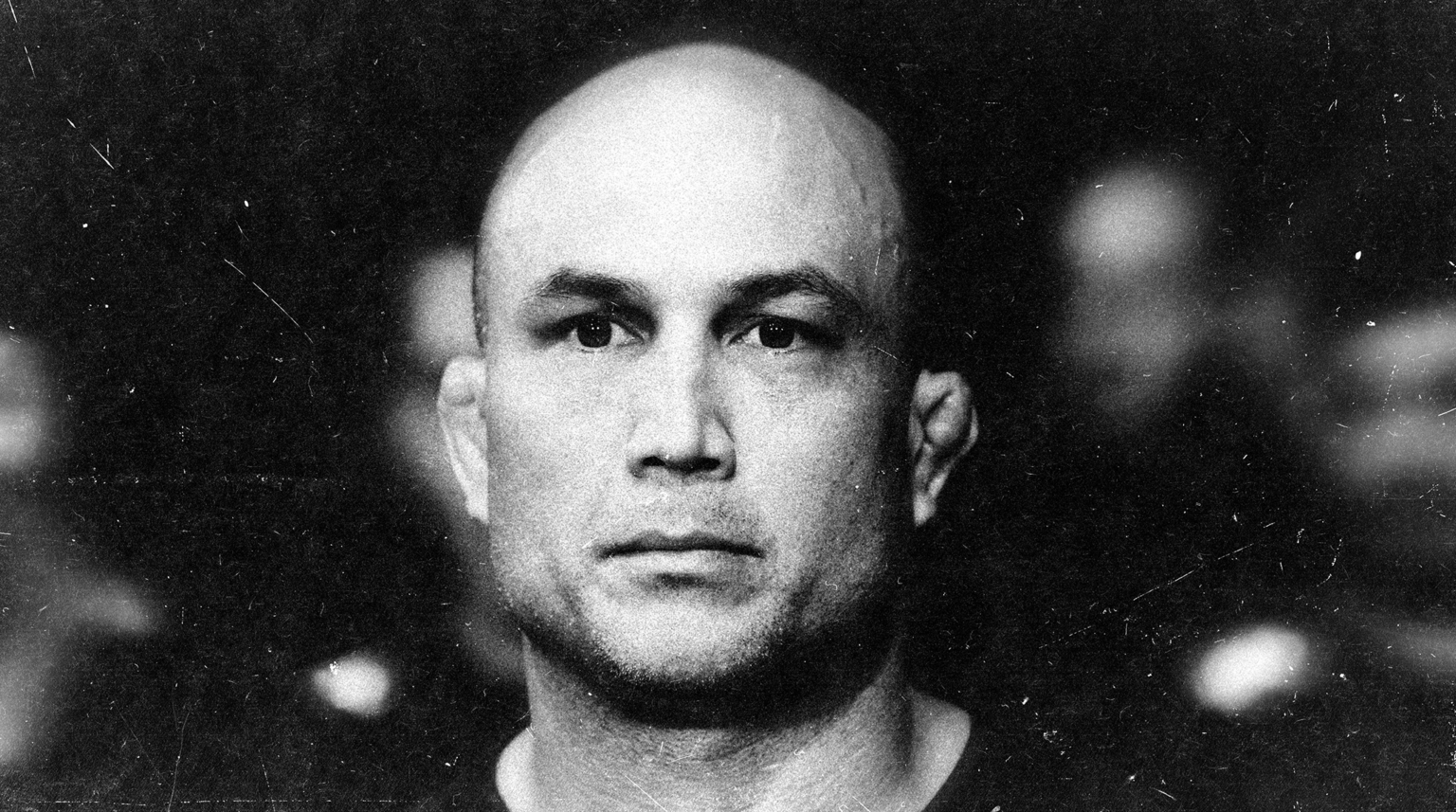

B.J. Penn helped give the UFC’s lightweight division a star whose appeal reached beyond the championship he held.
He could knock opponents out standing, submit them on the ground, and make an established champion in a heavier division look vulnerable. His confidence invited attention because his talent gave it substance. His willingness to test himself against bigger opponents gave fans another reason to watch.
Penn’s greatest contribution came when he brought that reputation back to lightweight. His rivalries gave the division recognizable personalities, television supplied a wider audience, and his championship performances established a demanding standard for its contenders.
At a time when larger fighters occupied many of the UFC’s most prominent positions, Penn helped make 155 pounds a destination for major fights.
The Prodigy Arrives
Penn entered MMA with a reputation already forming around his grappling. In 2000, he became the first American to win a black belt division at the World Jiu-Jitsu Championships. His rapid development helped earn him the nickname “The Prodigy.”
His UFC debut followed in May 2001 against Joey Gilbert. Rather than relying exclusively on submissions, Penn stopped him with strikes. Victories over Din Thomas and Caol Uno followed, with the Uno knockout taking just 11 seconds.
The combination made him immediately interesting. An opponent who prepared for his ground game still had to survive his hands. Penn could punish the assumption that a decorated grappler would need a takedown to finish a fight.
His first championship opportunity brought a setback. At UFC 35 in January 2002, Jens Pulver defeated him over five rounds to retain the lightweight title. Penn’s ability was apparent, but becoming champion required more than the promise surrounding his arrival.

That defeat also gave his career an early personal thread. Pulver became an opponent Penn would pursue long after their first meeting.
A Lightweight Challenges the Welterweight Standard
Penn’s first UFC championship came in a different division.
At UFC 46 in January 2004, he challenged welterweight champion Matt Hughes. Hughes had built an imposing reign, repeatedly turning away challengers through wrestling, strength, and an increasingly complete finishing game.
Penn submitted him in the opening round.
The victory made the scale of his talent difficult to dismiss. He had moved up from lightweight and beaten the established champion at 170 pounds, securing a result that would remain central to his reputation.
His subsequent departure from the UFC interrupted that reign. When he returned in 2006, losses to Georges St-Pierre and Hughes showed that his ambitions at welterweight came with real limits.
Those defeats did not erase the appeal of watching him attempt something difficult. Penn’s willingness to pursue larger opponents made his career unpredictable. Fans could debate whether he belonged in a particular matchup while still wanting to see what happened.
The Hughes victory had given those ambitions credibility. His return to lightweight would give them a more sustainable championship foundation.
Bringing a Rivalry Back to Lightweight
Penn was part of a broader effort to rebuild the division’s visibility.
The UFC restored its lightweight championship in 2006, with Sean Sherk defeating Kenny Florian for the belt. Pulver had already established an important early championship history. Penn’s contribution would build on that work.
In 2007, Penn and Pulver coached opposite teams on the fifth season of The Ultimate Fighter. The season featured lightweight contestants, placing the division at the center of the UFC’s weekly television programming.
Their unresolved rivalry gave that exposure a personal focus. Penn wanted to avenge the defeat that had interrupted his early rise. Pulver had already demonstrated that he could withstand Penn’s talent and beat him.
At the season finale, Penn submitted Pulver in the second round. Five years after their first meeting, he had finally changed the result.
For the UFC, the value went beyond resolving an old rivalry. Viewers had spent a season watching lightweight prospects develop while becoming more familiar with two established names.
Penn emerged with a significant victory and an audience that had been given weeks of reasons to care about it.
A Champion Who Made the Division Essential
At UFC 80 in January 2008, Penn submitted Joe Stevenson to win the vacant lightweight championship. He became the second fighter, after Randy Couture, to win UFC titles in two weight divisions.
He followed that achievement with successful lightweight defenses against Sherk, Florian, and Diego Sanchez, finishing all three.
Each performance demonstrated a different part of the problem he presented.
Against Sherk, Penn’s striking helped keep the fight on favorable terms before he secured the stoppage. Florian could not turn sustained pressure into a winning approach, and Penn eventually submitted him. Sanchez struggled to find effective offense before a cut brought their fight to an end in the fifth round.
Penn could control where exchanges happened and punish opponents once they reached those positions. His boxing, takedown defense, balance, and submission threat worked together.
That made his championship reign valuable to the promotion. Lightweight had an identifiable star and a clear competitive question. Who could get Penn into a fight he could not control?
His challengers were becoming part of a continuing story, with each attempt adding to the significance of the championship.
Ambition That Made a Bigger Fight Possible
Even as lightweight champion, Penn continued looking toward welterweight.
His rematch with Georges St-Pierre at UFC 94 in January 2009 paired the reigning champions of two divisions. Penn was pursuing the opportunity to hold both belts simultaneously, adding a larger ambition to an existing rivalry.
The event sold out before fight night. Its appeal rested on both men: St-Pierre’s standing as welterweight champion and Penn’s reputation as a smaller fighter capable of extraordinary results.
St-Pierre won decisively, with Penn’s corner stopping the fight after four rounds. The result exposed the distance between Penn’s ambition and what he could accomplish against that opponent at that weight.
Penn then returned to lightweight and defended against Florian and Sanchez. Those performances were important responses. His defeat at welterweight had not removed his ability to command the division in which he held the championship.
The sequence captured both sides of his appeal. He could give the UFC a major fight through the risks he was willing to take, then return to 155 pounds and demonstrate why he remained its champion.
When the Division Moved Past Him
Frankie Edgar ended Penn’s lightweight reign at UFC 112 in April 2010. Their immediate rematch produced another Edgar victory, establishing that the division had a new leader.
Penn still produced one more memorable win. At UFC 123 that November, he knocked out Hughes in 21 seconds to finish their trilogy with two victories.
It would be his final professional win.
The later years became increasingly difficult. Penn’s UFC career ended with seven consecutive defeats, a prolonged decline that should not be confused with the fighter he had been at his best.
His 2015 Hall of Fame induction recognized the achievements already secured, but his subsequent returns complicated the ending. His reputation continued to draw attention after his performances could no longer support championship expectations.
Giving Lightweight a Central Figure
Penn’s place in building the UFC rests on the attention he helped bring to lighter fighters and the competitive substance behind it.
His early finishes introduced an exceptional talent. The Hughes victory expanded his reputation. His rivalry with Pulver gave television viewers a personal reason to follow lightweight, and his title reign gave the division a champion whose next challenger mattered.
He shared that development with earlier champions, fellow contenders, and the UFC’s investment in the weight class. His particular contribution was bringing those elements together around a fighter whose personality and ambition could make a matchup feel significant.
B.J. Penn helped make lightweight a division audiences could follow through a star, his rivals, and the question of who could finally beat him. At his best, he gave the UFC proof that some of its biggest attractions could come from its smallest fighters.
Explore the Building the UFC Series
From proving what worked inside the Octagon to bringing millions of new fans to the sport, these fighters helped shape the UFC at pivotal points in its history. Explore their stories:
- Royce Gracie
- Ken Shamrock
- Randy Couture
- Tito Ortiz
- Matt Hughes
- Chuck Liddell
- Forrest Griffin
- Georges St-Pierre
- Anderson Silva
- B.J. Penn
- Ronda Rousey
- Conor McGregor