




Max Caster’s TNA exit raises a question that gets lost when controversy becomes the entire conversation. A performer can deserve criticism without every consequence that follows being justified.
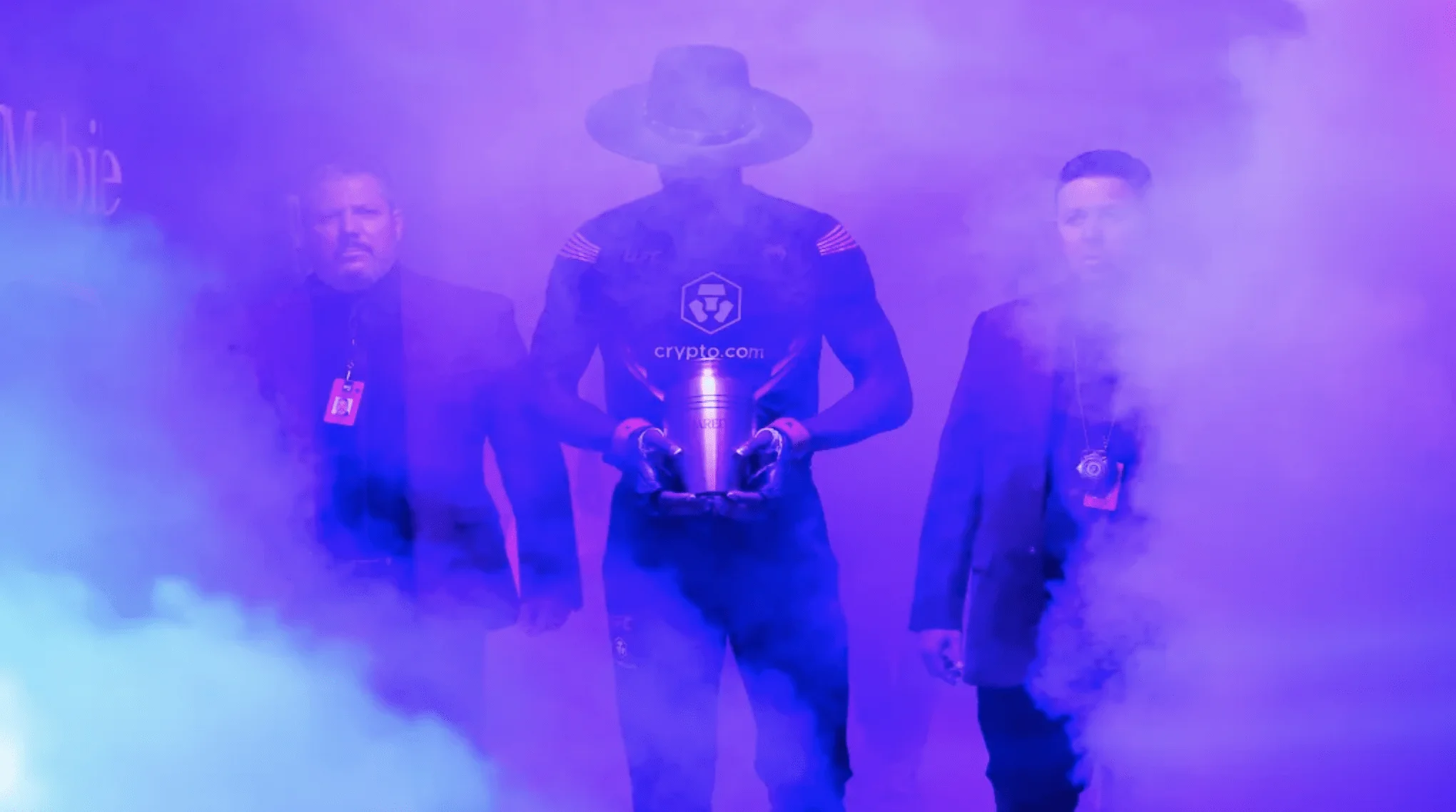
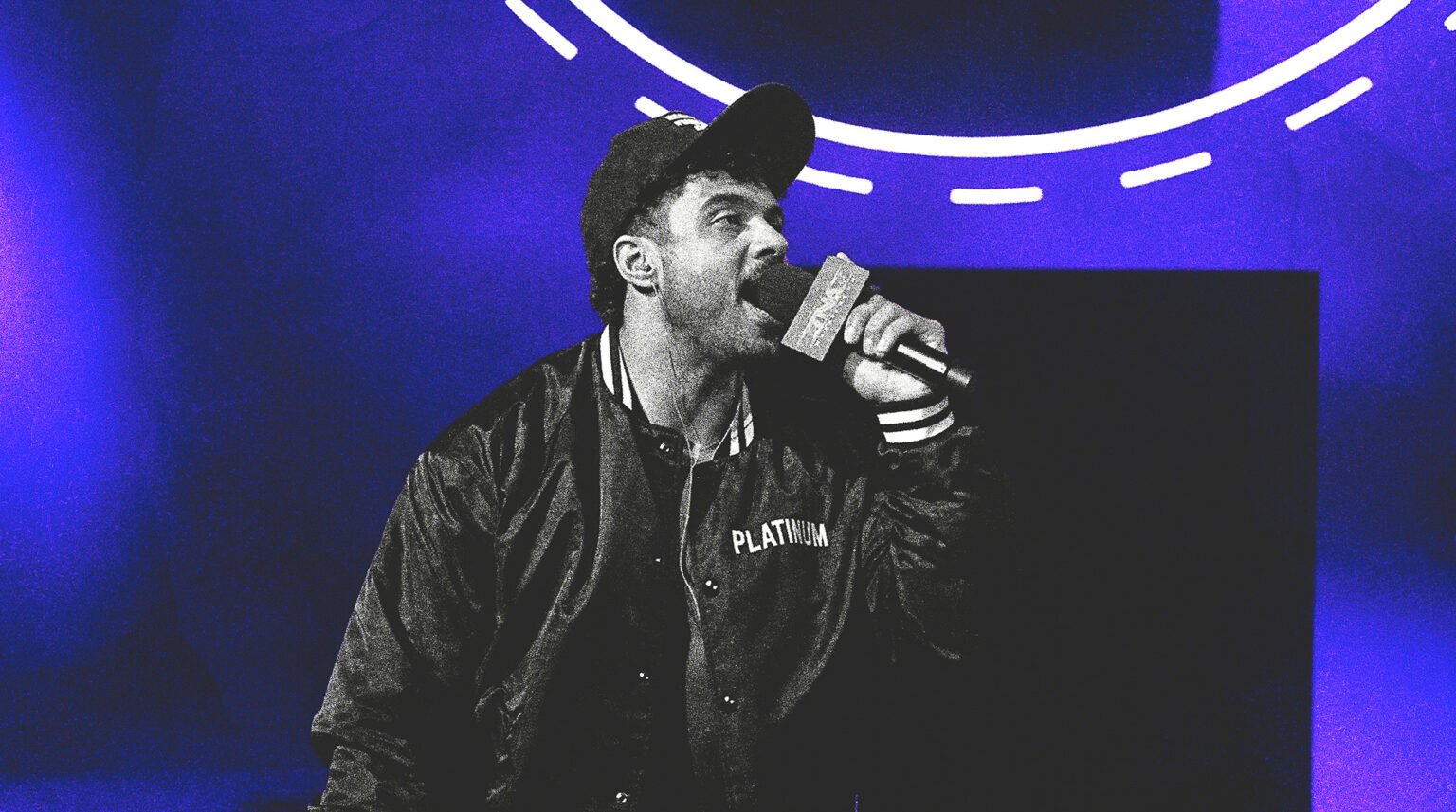
At Bound for Glory on October 11, Caster answered Moose’s open challenge and delivered an entrance rap referencing Riyadh. “I drop bombs. You don’t even have to fly to Riyadh,” he said. Fightful reported that the line was neither scripted nor approved.
TNA then announced they would no longer work with him. Its statement condemned making light of violent attacks, acknowledged that people had been killed and injured, and accepted responsibility for allowing the material onto its show. The promotion also removed the segment from its replays and social channels.
Caster later apologized to Carlos Silva, TNA’s office and those who had vouched for him. He said his intention was to entertain and that he accepted the consequences.
There is an understandable case for responding. Using a deadly attack as material for a wrestling entrance invites criticism, particularly from people whose connection to the tragedy extends beyond a headline.
But acknowledging that does not mean TNA was right to cut ties with him. Its decision deserves scrutiny alongside the remark that prompted it.
Outrage Is Not a Disciplinary Policy
There is a difference between finding something offensive and deciding that the person responsible should lose an opportunity over it.
Once a controversy starts circulating, those judgments can collapse into one another. A clip becomes a headline. The headline becomes a verdict. Questioning the punishment gets treated as defending everything the person said.

That leaves little room for a perfectly reasonable position. Caster exercised poor judgment, and TNA still overreacted.
People have every right to be offended. But that alone does not explain why cutting ties was necessary, or why a warning, suspension or chance to make things right would not have been enough.
That is where criticism of cancel culture has substance. Accountability should leave room to debate what happened, how serious it was and what would make things right. When cutting someone off becomes the only acceptable response, anyone questioning the punishment is pressured to fall in line.
There is also a responsibility on those defending Caster. Claims that his career has been destroyed, that everyone criticizing him is acting dishonestly, or that a hidden corporate directive explains the outcome require evidence. Exaggerating the backlash contributes to the same problem.
An argument against outrage spreading carelessly has to hold itself to a better standard.
A performer can deserve criticism without every consequence that follows being justified.
TNA Chose the Performer
Caster’s entrance raps were an established part of his presentation before his TNA appearance. The promotion brought in a performer whose act involves provoking a reaction through his bars. Antagonizing an audience is part of the character they chose to book.
His Riyadh line was reportedly unapproved, and TNA can set boundaries around what appears on its broadcast. But booking someone with that approach should come with clear expectations about how far he can go.
What instructions did Caster receive? Was his material supposed to be reviewed? Were particular subjects explicitly prohibited? Did he disregard an established boundary, or did the company discover its boundary after the reaction?
The public reporting does not resolve those questions. Without those answers, it is difficult to distinguish a performer knowingly violating instructions from a failure of preparation and oversight.
TNA deserves credit for acknowledging its own responsibility in its statement. But that acknowledgment also raises the question of why the relationship could not continue under clearer restrictions.
Removing the material and publicly rejecting it already communicated that TNA considered the line unacceptable. Why did that also require cutting ties with Caster?
Caster Has Been Here Before
There was already a relevant example involving Caster himself.
In August 2021, his entrance rap on AEW Dark referenced Simone Biles’ mental health, the Duke lacrosse sexual assault allegations and COVID testing, along with a sexual joke about Julia Hart. AEW removed the rap from the episode. Tony Khan publicly called it “terrible,” said it should have been caught in editing and announced that he would personally oversee the editing of Dark and Elevation.
Caster was off AEW programming for several weeks before returning at the September 1 Dark: Elevation tapings. The company rejected the material, tightened oversight and continued working with him.
That history cuts both ways. Caster already knew that a provocative rap could cross a line and bring consequences. Presenting him as someone blindsided by the possibility of backlash would ignore his own experience.
But TNA was also booking a performer with a public history of exactly this kind of controversy. The risk was not difficult to anticipate, and another promotion had already demonstrated a response that preserved the working relationship.
The earlier incident strengthens the case for holding Caster accountable. It also raises questions about whether TNA took the precautions his history called for. They did not need to discover from scratch that his act required boundaries.
Caster was responsible for what he said. TNA is responsible for the response it chose.
Second Chances Have Been Offered Before
TNA has previously found ways to address serious controversies without making an immediate break.
In September 2021, they suspended Tommy Dreamer after his Dark Side of the Ring comments downplaying sexual misconduct allegations against Ric Flair. Dreamer apologized, and by December, Fightful reported that he had returned to work behind the scenes. The company condemned his comments, imposed a consequence and eventually brought him back.
Rich Swann was suspended in August 2024 following a disorderly intoxication arrest and entered a substance abuse rehabilitation program. His contract later expired, but he returned in 2025 under Carlos Silva’s leadership. TNA allowed a path back after treatment and time away.
The promotion also welcomed Jeff Hardy back in June 2024. The previous year, Hardy had pleaded no contest to his third DUI offense within ten years and related driving charges. Conduct that endangered people on the road did not prevent TNA from offering him another opportunity.
These cases involved different circumstances, and some decisions predated Silva. Treatment, apologies and time away also helped create the conditions for a return. Those are reasons to support second chances, including for the wrestlers who received them.
But that history makes the response to Caster harder to accept. TNA has shown it can separate condemning conduct from deciding there is no workable relationship left. An offensive rap should not make that distinction impossible.
None of this excuses Caster’s line or guarantees him another booking. It does show that suspension, correction and reassessment are realistic options within this company. Based on what TNA has publicly explained, cutting ties was excessive.
The Response Deserves Questioning
Protecting the business is a legitimate responsibility. But a decision can make commercial sense and still deserve criticism, especially when the company has offered other performers a way back after serious controversy.
Caster was responsible for what he said. TNA is responsible for the response it chose. Neither should escape scrutiny because the other made a mistake.
TNA has explained why it rejected the remark. It has not made a persuasive public case for why a warning, suspension or clearer restrictions would have been insufficient. Its own history shows those alternatives were worth considering.
People can find Max Caster’s remark offensive and still believe cutting ties went too far. TNA has made room for accountability and second chances before. Asking why it could not do so here is holding the company to a standard it has already shown it can meet.