

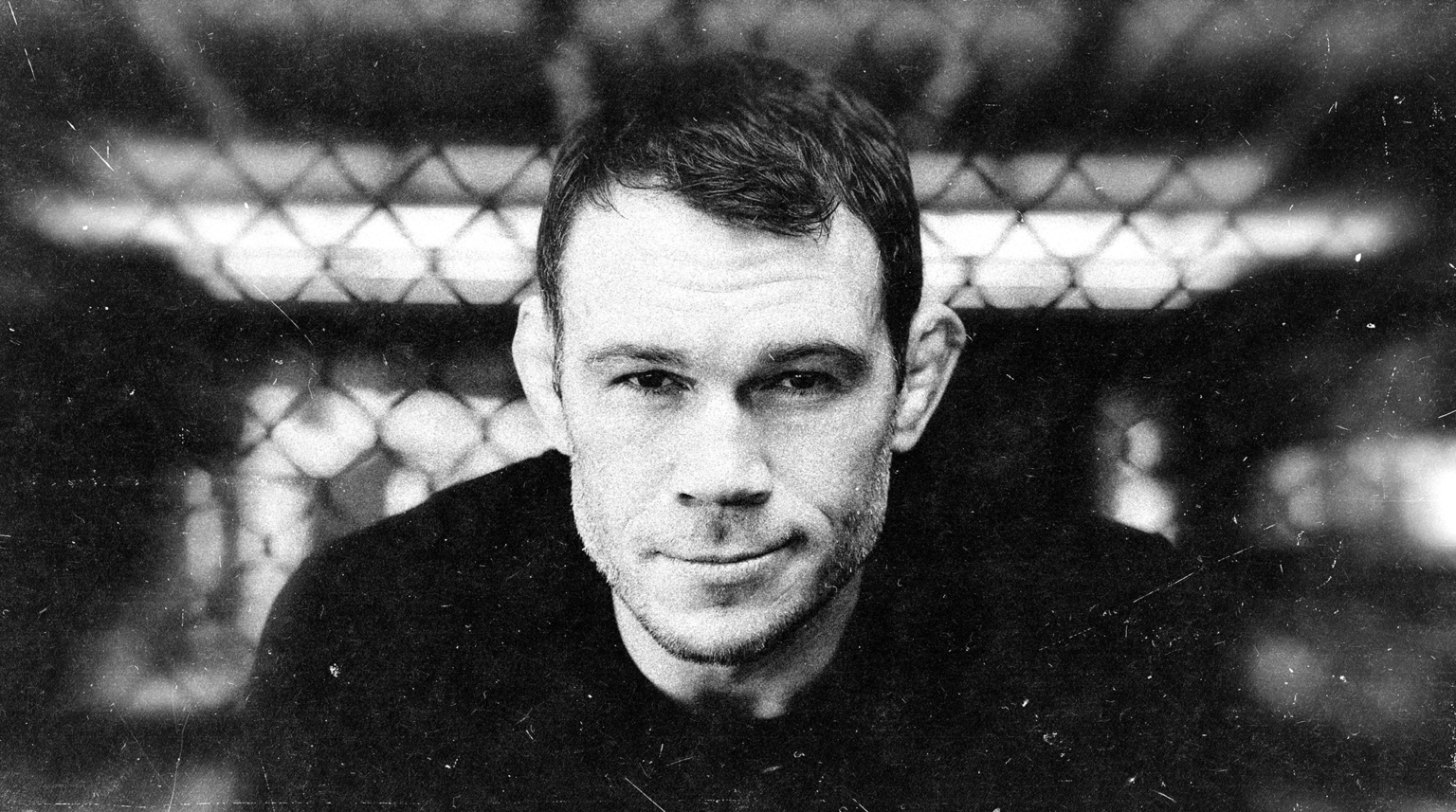

Forrest Griffin helped the UFC turn a television audience into an invested fan base. His fight with Stephan Bonnar delivered the breakthrough moment, but his career afterward gave viewers a reason to keep following.
He was funny, self-deprecating, and visibly imperfect. Fans could watch him struggle without losing interest in whether he would succeed. That connection became especially valuable as the UFC introduced its athletes to people who were still learning the sport.
Griffin’s story eventually reached the light heavyweight championship. The fighter audiences had watched compete for a contract became the man holding one of the promotion’s most prestigious belts.
Between those two achievements, he helped demonstrate what The Ultimate Fighter could do for the UFC. It could introduce personalities, create emotional investment, and produce fighters capable of competing at the highest level.
An Opportunity at the Right Time
Before The Ultimate Fighter, Griffin had worked as a police officer while pursuing a fighting career. He had experience, but his future in MMA was uncertain enough that he had considered leaving the sport. The show offered an opportunity to keep going.
That background mattered to his appeal. Griffin was an experienced fighter trying to turn an unstable pursuit into a sustainable career. The opportunity had consequences viewers could understand.
The first season placed aspiring UFC fighters in a shared house, followed their training, and made their ambitions part of weekly television. Coaches Randy Couture and Chuck Liddell provided familiar championship credentials. The contestants supplied the uncertainty of people trying to earn their place.
Griffin’s humor helped make that environment approachable. His willingness to acknowledge discomfort and laugh at himself gave audiences a way to connect with someone whose actual job involved getting into a cage.
By the time he reached the light heavyweight final, viewers had more to follow than a name on a fight card.
Fifteen Minutes That Changed the Opportunity
On April 9, 2005, Griffin faced Stephan Bonnar in the first season’s live finale on Spike.
Their three-round fight provided a concentrated demonstration of the sport’s appeal. Both men absorbed punishment, answered back, and kept finding enough energy to continue. They were fighting for a UFC contract and the opportunity to turn years of work into a career.
Griffin won a unanimous decision. The UFC awarded contracts to both fighters.
Approximately 3.3 million viewers watched their bout, according to reporting on the broadcast. Its reception helped strengthen the UFC’s relationship with Spike at a crucial point in the promotion’s television expansion.
The achievement belongs to both men. Bonnar’s resistance and offense were essential to the drama. Without someone meeting Griffin’s effort, there would have been no back-and-forth contest for audiences to become absorbed in.
The familiar description of a fight that “saved the UFC” compresses a much larger story. The promotion’s investment, the television platform, the coaches, and the rest of the cast had all helped create the opportunity.
Griffin and Bonnar delivered when that opportunity arrived. Their performance gave viewers a powerful reason to watch again.
Giving Fans Someone to Stay With
The finale could have remained Griffin’s defining moment without leading to championship success. His next challenge was proving that viewers should keep following him against the UFC’s established fighters.
At UFC 59 in April 2006, he faced former light heavyweight champion Tito Ortiz. Griffin lost a split decision, but his ability to recover from a difficult start and remain competitive helped establish that he belonged against a major name.
That kind of performance suited the connection he had built with fans. They did not need him to appear unbeatable. They needed a reason to believe he could respond when a fight became difficult.
There were setbacks that could not be softened into moral victories. Keith Jardine stopped him in December 2006, interrupting his progress toward the division’s top contenders.
Griffin returned with a decision victory over Hector Ramirez before receiving a much more demanding assignment against Mauricio “Shogun” Rua.
His career was becoming something audiences could follow through changes in expectation. A promising performance could raise hopes. A loss could create doubt. The next matchup offered a chance to find out how much he had improved.
Proving He Belonged Among the Best
Rua entered UFC 76 in September 2007 with an elite reputation built in PRIDE. For Griffin, the fight presented an opportunity to move beyond being a popular graduate of a television show.
He took it.
Griffin submitted Rua with a rear-naked choke late in the third round, securing one of the most important victories of his career. The result established a credible route to a championship opportunity.
His toughness had always been easy to recognize. This victory demanded recognition of his preparation, conditioning, and technical ability as well.
That distinction had practical value for the UFC. A fighter introduced through its reality series could defeat an opponent already regarded as one of the world’s best. The television audience had been following a contender whose abilities could support the attention he received.
Griffin’s next step brought his story back to the show that had introduced him.
From Contestant to Champion
In 2008, Griffin returned to The Ultimate Fighter as a coach opposite light heavyweight champion Quinton “Rampage” Jackson. Three years after competing for a contract, he was helping another group of fighters pursue the same opportunity.
The change in roles made his progress visible. Viewers who remembered his first season could now watch him prepare for a championship fight while leading a team of his own.
Griffin challenged Jackson at UFC 86 that July. After being knocked down in the opening round, he worked his way back into the contest. Leg kicks disrupted Jackson’s movement, while Griffin’s activity and adjustments helped him sustain a competitive five-round performance.
The judges awarded Griffin a unanimous decision. He was finally the UFC light heavyweight champion.
For the promotion, the victory gave its television experiment a lasting success story. Fans had watched Griffin compete for a contract, struggle against established opponents, and improve enough to win the belt. For those who had followed him since his first season, the championship rewarded years of emotional investment.
A Short Reign With a Lasting Impact
Griffin lost the championship to Rashad Evans in his first defense at UFC 92 in December 2008. A knockout defeat to Anderson Silva followed in 2009. His time at the top had been brief, and those results showed the limits of his competitive success.
He nevertheless remained capable of meaningful victories. Later wins over Ortiz and Rich Franklin added to a résumé that could stand independently of the Bonnar fight. His final appearance was a decision victory over Ortiz at UFC 148 in July 2012.
Injuries contributed to his retirement in 2013, and he entered the UFC Hall of Fame that year.
His contribution was never going to be measured primarily through the length of his title reign. It lay in the relationship between his career and the audience that watched it develop.
Griffin helped make the UFC’s fighters familiar. His humor gave viewers an entry point, his performances gave them reasons to care, and his championship win rewarded their investment in his progress.
The Bonnar fight remains central to that story, but it was the beginning of his contribution. Forrest Griffin helped bring viewers to the UFC, then gave them a fighter they wanted to follow long after the television season ended.
Explore the Building the UFC Series
From proving what worked inside the Octagon to bringing millions of new fans to the sport, these fighters helped shape the UFC at pivotal points in its history. Explore their stories:
- Royce Gracie
- Ken Shamrock
- Randy Couture
- Tito Ortiz
- Matt Hughes
- Chuck Liddell
- Forrest Griffin
- Georges St-Pierre
- Ronda Rousey
- Conor McGregor