
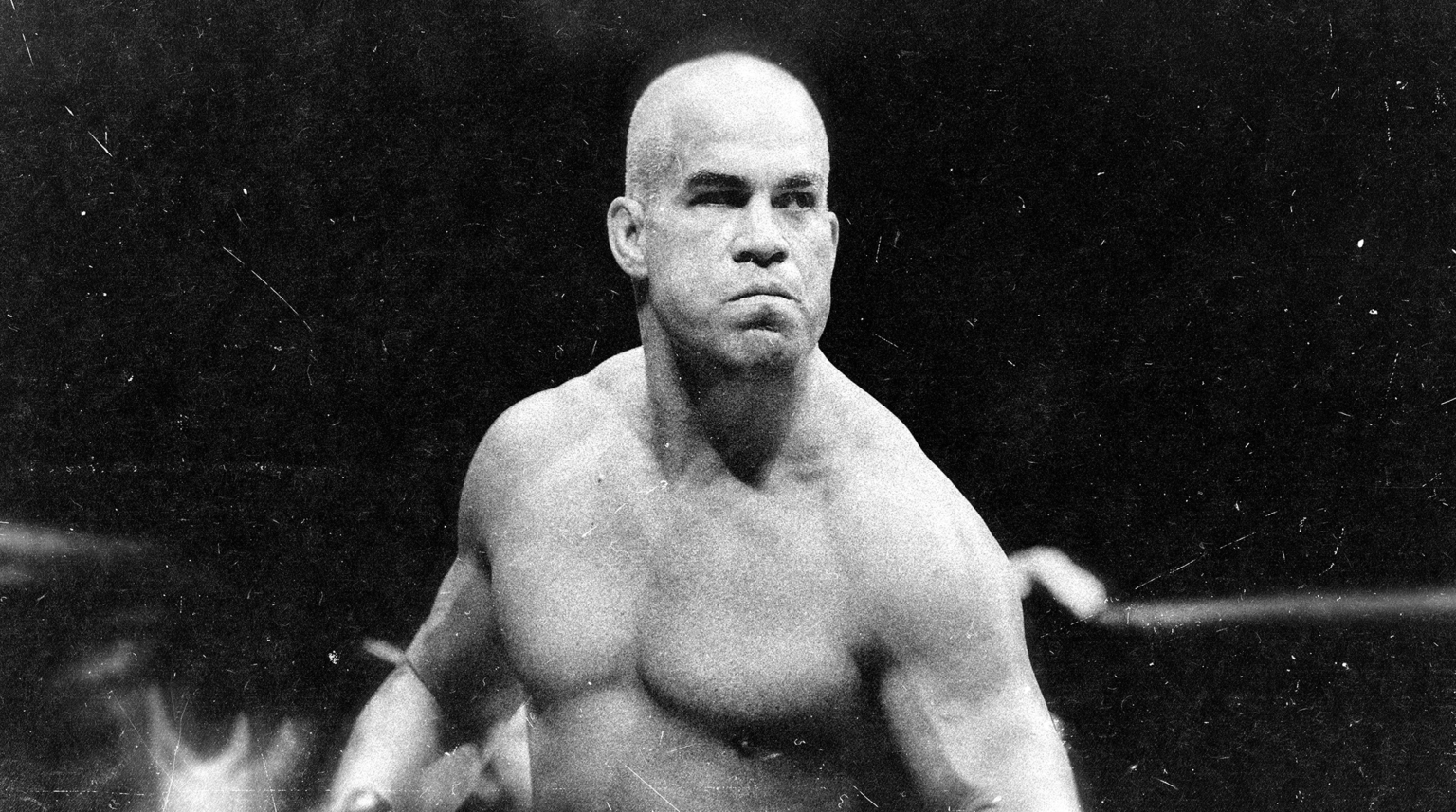

Tito Ortiz gave the UFC someone people could take sides over when the promotion was still struggling to reach them. With bleached hair, flame-covered shorts, and a willingness to antagonize his opponents, “The Huntington Beach Bad Boy” made himself difficult to ignore.
Behind that image was a champion who could back it up. His wrestling and punishing ground strikes carried him through a sustained reign, while his rivalries gave audiences reasons to care beyond the championship itself.
Ortiz’s importance sits between the UFC’s earliest experiments and its television breakthrough. He became a promotional centerpiece during uncertain years, then helped turn the attention generated by The Ultimate Fighter into bigger fights and larger audiences.
A Champion Before the Boom
Ortiz made his UFC debut at UFC 13 in May 1997, defeating Wes Albritton before losing to Guy Mezger later that night. His first championship opportunity ended in defeat against Frank Shamrock at UFC 22 in September 1999.
Shamrock subsequently retired and vacated the belt. In April 2000, Ortiz defeated Wanderlei Silva over five rounds at UFC 25 to claim the championship in the division that became known as light heavyweight.
His rise came before the visibility and financial opportunities later generations of fighters would pursue. The UFC was navigating limited distribution and an uncertain future. When Zuffa purchased the organization in January 2001, Ortiz was already a champion it could build around.
He supplied continuity through that transition. Owners could change, rules could evolve, and the promotion could pursue new audiences, but there was an established fighter at the top whose next challenger gave existing fans something to follow.
Ortiz successfully defended his championship five times before losing it to Randy Couture in 2003. That run gave substance to the confidence and a competitive foundation for the rivalries that would define his drawing power.

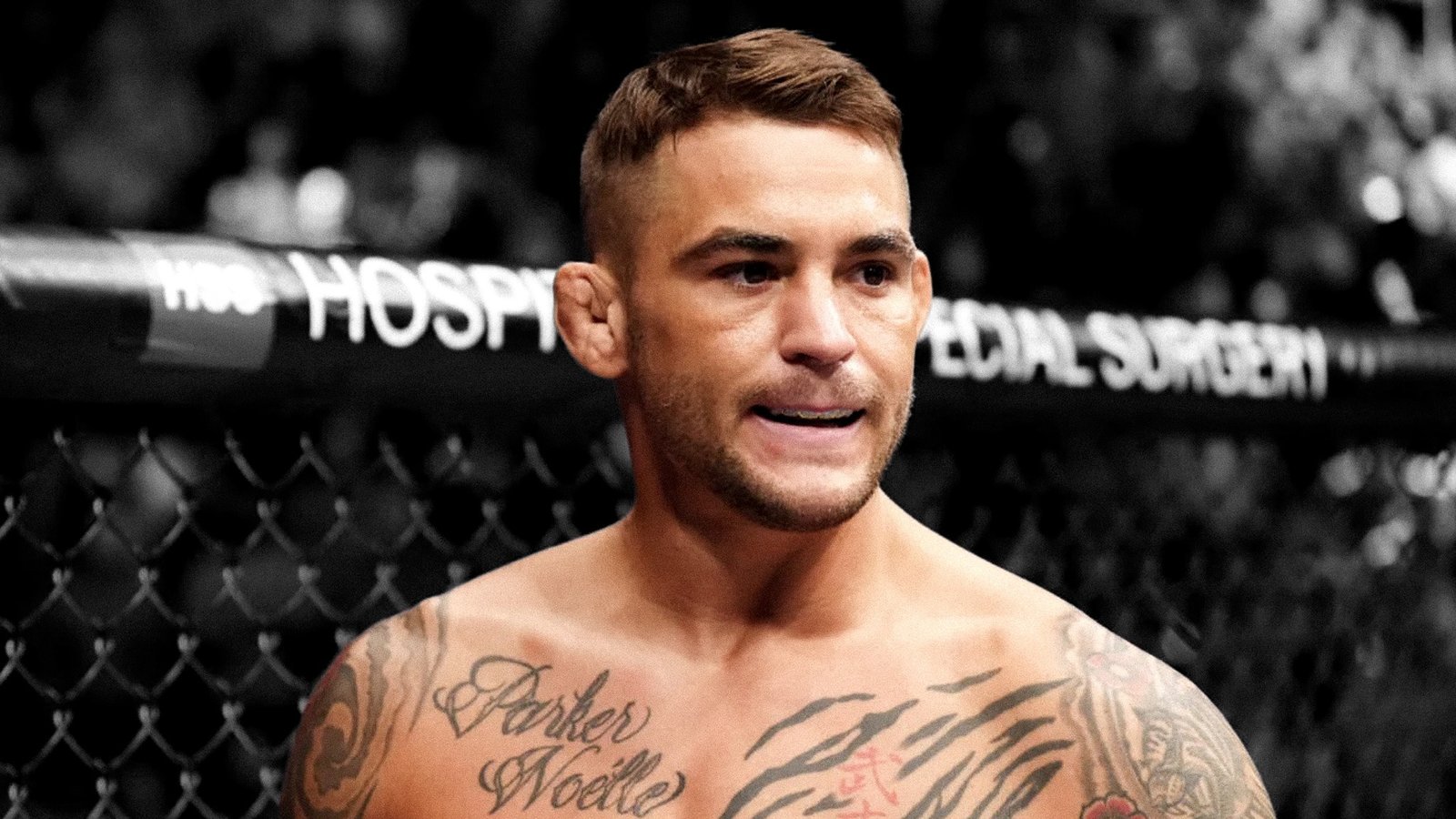
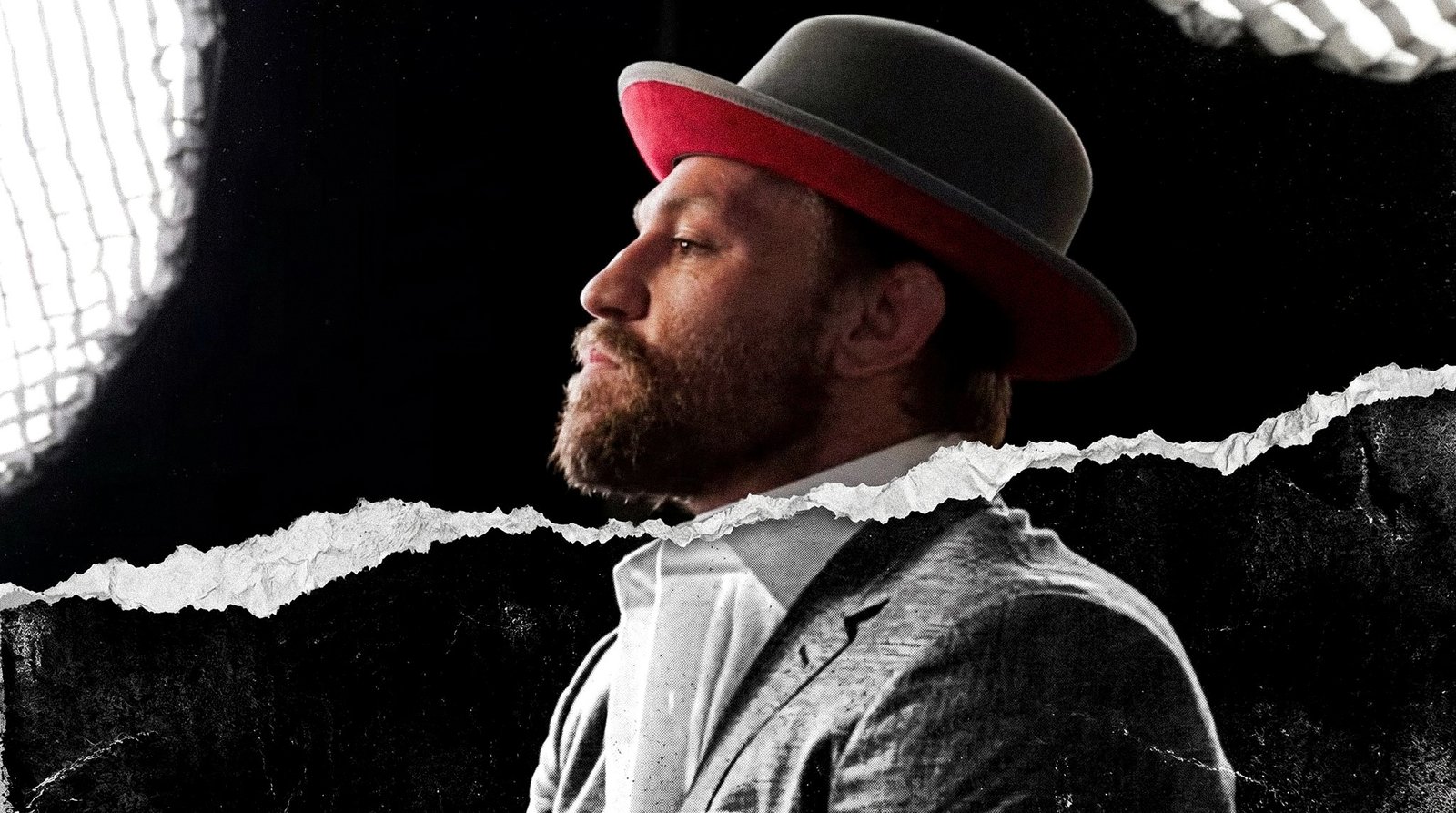
His approach was physically demanding and direct. Get opponents down, control their position, and make them absorb punishment while trying to escape. The threat was easy to understand, even for viewers still learning how wrestling worked inside the cage.
The personality brought attention. The championship performances made that attention worth sustaining.
Making Fans Choose a Side
Ortiz understood that a fight could begin in the audience’s imagination long before the opening bell.
His appearance made him recognizable. His taunts and celebrations gave fans something to react to. Supporters saw confidence and defiance; detractors saw arrogance they wanted an opponent to punish.
That tension was useful to a promotion trying to persuade people to buy an event. Knowing who deserved a title shot required some familiarity with the sport. Understanding that two fighters disliked each other required very little explanation.
Ortiz could make a matchup feel personal. The question became more than whether someone could beat the champion. It was whether that challenger could humble him.
His rivalry with Ken Shamrock became the clearest demonstration of how powerful that approach could be.
UFC 40 and a Glimpse of What Was Possible
When Ortiz and Shamrock met at UFC 40 in November 2002, the matchup connected different chapters of the promotion.
Shamrock brought recognition from the UFC’s earliest years and his time in professional wrestling. Ortiz represented the champion who had emerged while the organization fought through its leaner period. Their hostility gave the contest an emotional hook alongside that generational contrast.
Ortiz dominated the fight, with Shamrock’s corner stopping it after the third round. The performance completed his fifth successful title defense, but the event’s significance extended beyond his record.
UFC 40 reportedly generated approximately 150,000 pay-per-view buys, a substantial improvement over the promotion’s recent business. It provided an early indication that the Zuffa-era UFC could attract a larger paying audience around the right fight.
The event did not resolve every problem facing the company. Its broader breakthrough was still to come. But it demonstrated something valuable at a time when success was far from assured.
The UFC had a champion and a rivalry people would pay to watch.
Ortiz and Shamrock both mattered to that result. Their names, history, and conflict gave the promotion a story that could reach beyond its committed audience.
Bringing an Established Rivalry to Television
By the time Ortiz and Shamrock coached opposite teams on the third season of The Ultimate Fighter in 2006, the UFC had gained a new audience through television.
The show introduced those viewers to an existing rivalry while giving longtime fans a different perspective on Ortiz. Away from the confrontations, his investment in coaching revealed a more supportive side of a fighter whose public image had been built around provocation.
That contrast gave him more depth. Viewers could dislike his behavior toward an opponent while appreciating the effort he put into helping his team.
The season also gave the UFC weeks of exposure for the rematch. Fans were spending time with the fighters, watching their interactions, and forming opinions before being asked to purchase the event.
Their second meeting at UFC 61 reportedly helped the card reach approximately 775,000 pay-per-view buys. Following controversy over the quick stoppage, a third fight aired on Spike TV in October 2006.
The broadcast peaked at approximately 5.7 million viewers during the main event. Ortiz won again, completing a sweep of the trilogy, but the audience was the larger development for the UFC. A rivalry first sold to a much smaller fan base had become a major television attraction.
Ortiz had helped connect the promotion’s pre-television identity with its rapidly expanding audience.
The Other Half of the Liddell Rivalry
Chuck Liddell’s rise is difficult to separate from Ortiz, but Ortiz’s contribution deserves more than a supporting role in someone else’s story.
Their shared training history, disagreements, and delayed first meeting gave the rivalry substance before they fought. When Liddell stopped Ortiz at UFC 47 in 2004, the result became an important step in his ascent. It mattered partly because of the position Ortiz already occupied.
Beating him meant defeating a former champion fans recognized and had spent years reacting to.
By their rematch at UFC 66 in December 2006, Liddell held the championship and Ortiz had rebuilt momentum. The event reportedly exceeded one million pay-per-view buys, placing both men at the center of another commercial milestone.
Ortiz lost again, but his value to the event cannot be measured only by the outcome. Rivalries need opponents audiences consider important. His history, personality, and previous achievements helped make Liddell’s victories feel consequential.
Across the Shamrock and Liddell feuds, Ortiz demonstrated that interest in a fighter could survive a title loss. Fans could remain invested in settling a score, seeing a comeback, or watching a familiar antagonist face another test.
A Complicated Relationship With the Company
Ortiz’s relationship with the UFC was often contentious. Contract disputes and public disagreements with Dana White interrupted his career and became part of his story.
Those conflicts complicate any portrayal of him as a straightforward company ambassador. He was a major attraction who also challenged the promotion over his own value and working relationship with its leadership.
Yet the UFC repeatedly found reasons to bring him back into prominent positions. His name carried history that could not be reproduced simply by booking a newer contender.
That connection was visible at UFC 132 in 2011. After five fights without a victory, Ortiz dropped Ryan Bader and submitted him with a guillotine in the first round. The crowd’s reaction reflected years of investment in a fighter many had counted out.
He was no longer the champion opponents were chasing, but his fortunes could still produce an emotional response.
The UFC inducted Ortiz into its Hall of Fame in 2012, recognizing a career that had helped carry the organization through several stages of its development.
A Star When the UFC Needed One
Ortiz’s place in this series rests on timing as much as achievement.
He established himself before the television boom, when the promotion needed recognizable fighters who could keep people invested. His championship reign gave fans a reason to keep watching as new challengers tried to take his place. His rivalries helped turn that story into business.
UFC 40 showed what a carefully promoted grudge match could attract during the lean years. The Shamrock trilogy and Liddell rematch later demonstrated how much further those relationships could travel once television expanded the audience.
Tito Ortiz helped give the UFC a personality people could argue about and a champion they could measure challengers against. Before the UFC became a mainstream draw, he helped make its biggest fights feel too important to miss.
Explore the Building the UFC Series
From proving what worked inside the Octagon to bringing millions of new fans to the sport, these fighters helped shape the UFC at pivotal points in its history. Explore their stories:
- Royce Gracie
- Ken Shamrock
- Randy Couture
- Tito Ortiz
- Chuck Liddell
- Georges St-Pierre
- Ronda Rousey
- Conor McGregor