




Ken Shamrock helped give the UFC a rivalry audiences wanted to follow, adding a personal stake to its original tournament format.
Royce Gracie offered a startling demonstration of Brazilian jiu-jitsu. Shamrock offered a recognizable threat to it. Muscular, intense, and dangerous on the ground himself, he gave viewers a reason to wonder whether the first tournament’s outcome could change in a rematch.
His contribution grew beyond that early confrontation. Shamrock became a UFC champion, took his fighting reputation to a much larger professional wrestling audience, and returned to face Tito Ortiz in a feud that helped demonstrate the promotion’s commercial potential.
Across those different stages, he made the identity of the opponent matter. Fans were buying more than a contest between styles. They wanted to see particular people settle something.
A Rival for the Original Champion
Shamrock arrived at UFC 1 in November 1993 with experience in Japan’s Pancrase organization. His physique suggested power, but his opening victory demonstrated something more specific. He submitted Patrick Smith with a heel hook, showing that he could end a fight through grappling as well as physical force.
That made his semifinal against Gracie one to watch. Shamrock understood submissions. He was a different challenge from an opponent encountering ground fighting with little preparation.
Gracie still submitted him, adding another important victory to his tournament run.
For Shamrock, the loss supplied an unfinished story. For the UFC, it created a matchup that could remain interesting after the tournament ended.

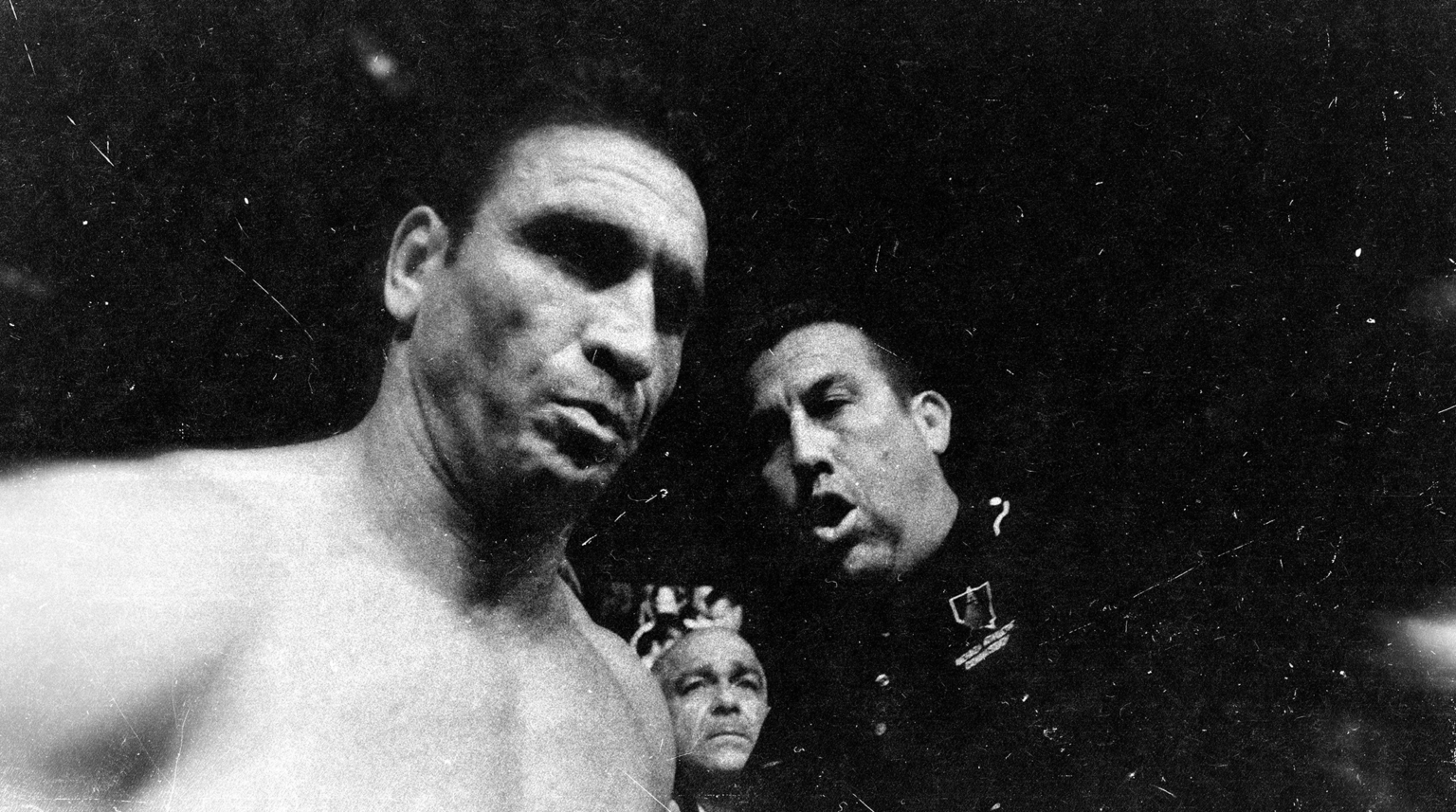
The contrast was easy to grasp. Gracie’s white gi and relatively slender frame stood opposite Shamrock’s imposing build and visible aggression. Their first meeting had answered who would win that night, but it also gave audiences a reason to consider what might happen with another opportunity.
From Tournament Entrant to Headline Fighter
Their rematch at UFC 5 in April 1995 placed that interest at the center of the event. Rather than requiring both men to advance through a tournament, the promotion matched them directly in a separate Superfight.
The contest ended in a draw after 36 minutes. It did not deliver the decisive resolution the rivalry invited, but the format represented an important development. The UFC could promote a specific confrontation between familiar fighters alongside its tournament competition.
Shamrock then submitted Dan Severn at UFC 6 to become the inaugural UFC Superfight champion. His reputation now rested on more than his rivalry with Gracie. He gave audiences a title reign to follow, with each challenger providing a reason to watch his next appearance.
As the UFC moved toward a future organized around champions and challengers, he was one of the figures giving that structure a recognizable face.
Taking a Fighting Reputation to Television
Shamrock joined the company then known as the WWF in 1997. His UFC background became a central part of his presentation as “The World’s Most Dangerous Man.”
He entered a weekly entertainment environment where audiences could encounter him far more regularly than they could through UFC events. His intensity and submission skills translated into a character whose credibility came partly from what he had already done in actual competition.
During his run, he won the Intercontinental Championship, shared the tag team championship, and became the 1998 King of the Ring. His rivalry with The Rock placed him opposite a performer who was developing into one of wrestling’s biggest stars.
That exposure gave Shamrock a distinctive place in the UFC’s growth. He carried an MMA identity into professional wrestling before returning to an MMA audience with broader recognition.
It would be impossible to assign every later ticket or pay-per-view purchase to that crossover. Its promotional value, however, was clear. The UFC could book a fighter whose name meant something to people who had never followed its early tournaments.
Years before Brock Lesnar entered the Octagon, Shamrock demonstrated the potential of an audience connection between the two businesses.
A Feud That Outgrew the Cage
The rivalry with Tito Ortiz developed through Shamrock’s Lion’s Den team.
Ortiz defeated Lion’s Den fighters Jerry Bohlander and Guy Mezger at UFC 18 and UFC 19, respectively. His taunts and insulting shirts turned those results into personal confrontations with their team leader. Shamrock was defending the standing of fighters associated with his name; Ortiz was challenging that authority in public.
That gave the eventual matchup an accessible story. The established veteran wanted to punish a disrespectful younger champion. Ortiz wanted to prove that Shamrock’s reputation belonged to an earlier era.
They finally fought at UFC 40 in November 2002, with Ortiz’s light heavyweight championship at stake.
Ortiz controlled the contest, and Shamrock’s corner stopped it after the third round. The fight established a clear competitive difference between them at that stage of their careers. It also helped Ortiz strengthen his own standing by defeating an opponent whose reputation reached beyond the UFC’s regular audience.
The event reportedly generated approximately 150,000 pay-per-view purchases, a significant result for the promotion during Zuffa’s early ownership. It offered evidence that an established name and a compelling rivalry could attract an audience larger than the UFC was routinely reaching.
Calling one event the sole reason the company survived would oversimplify its history. UFC 40 nevertheless gave the organization a meaningful demonstration of what its business could become.
Shamrock’s contribution did not depend on winning. His presence helped make the fight worth buying.
An Old Rivalry Finds a New Audience
By 2006, the UFC had a weekly television platform and a growing audience through The Ultimate Fighter. Shamrock and Ortiz coached opposite teams during its third season, bringing their existing hostility into a format built around repeated exposure.
New viewers could discover the conflict. Returning fans could watch it escalate.
Their rematch took place at UFC 61 that July. The card, which also featured Tim Sylvia’s heavyweight title defense against Andrei Arlovski, reportedly sold approximately 775,000 pay-per-views. The Ortiz-Shamrock rivalry was a major attraction on an event that showed how far the UFC’s audience had grown.
Ortiz won by first-round stoppage. Disagreement over how quickly the referee intervened provided the basis for a third meeting, this time on free television.
The October fight on Spike again ended with Ortiz stopping Shamrock in the first round. Contemporary reporting placed its audience at approximately 5.7 million viewers. A rivalry rooted in the promotion’s earlier years had become a vehicle for reaching millions through cable television.
The trilogy was one-sided in competitive terms, but audiences remained invested in the people involved. Ortiz was the younger fighter establishing and reinforcing his position. Shamrock brought the history, recognition, and personal stakes that helped make beating him significant.
Recognition That Outlasted His Prime
Shamrock’s later UFC appearances could not reproduce his early competitive success. The Ortiz fights made that limitation unmistakable.
His legacy should account for those defeats without allowing them to erase the role he played. He helped establish the UFC’s early rivalries, held its Superfight championship, and became one of the first fighters whose recognition traveled between MMA and major American professional wrestling.
In 2003, Shamrock and Gracie became the inaugural inductees into the UFC Hall of Fame. Their shared place in that first class reflected how closely both names were connected to the promotion’s beginnings.
Yet Shamrock’s contribution was still unfolding. His later appearances opposite Ortiz helped connect that early history to the audience arriving through reality television.
The UFC needed fighters people could recognize, conflicts they could understand, and matchups they wanted to see resolved. Shamrock supplied all three at different points in its development.
Ken Shamrock helped make a fighter’s reputation part of what the UFC could sell. From the prospect of another chance against Gracie to the promise of settling his feud with Ortiz, he gave audiences a personal reason to care who stepped into the Octagon.
Explore the Building the UFC Series
From proving what worked inside the Octagon to bringing millions of new fans to the sport, these fighters helped shape the UFC at pivotal points in its history. Explore their stories: