





The fighters who helped build the UFC gave fans different reasons to care.
Some challenged assumptions about fighting. Others made a championship feel personal, brought an audience from another sport, or opened opportunities the promotion had once ruled out.
The UFC’s growth depended on those differences. Winning established credibility. Rivalries and personalities made the stakes personal. Fans returned to see a champion challenged, a rivalry settled, or someone they had followed for years reach the top.
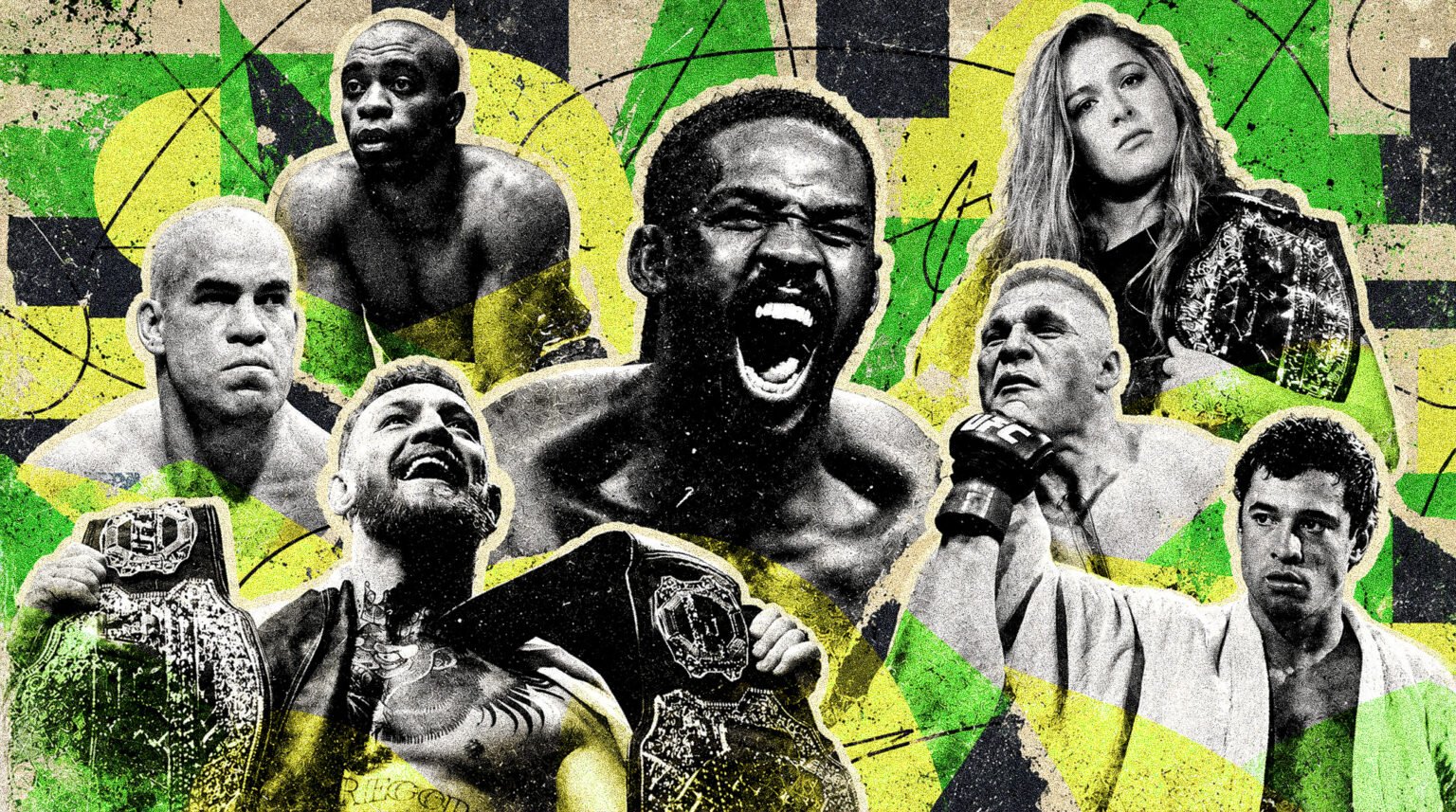
The Scrap’s Building the UFC series began with five profiles. Its refreshed and expanded collection examines 14 fighters whose contributions span the promotion’s earliest tournaments, television breakthrough, international growth, and biggest attractions.
Their careers overlap, and these phases reflect their contributions. Together, they show how individual fighters helped turn an unfamiliar competition into something audiences built lasting attachments to.
The First Reasons to Watch
The early tournaments promised a test of competing martial arts. Familiar fighters and unfinished rivalries soon gave viewers reasons to follow what happened next.
Royce Gracie
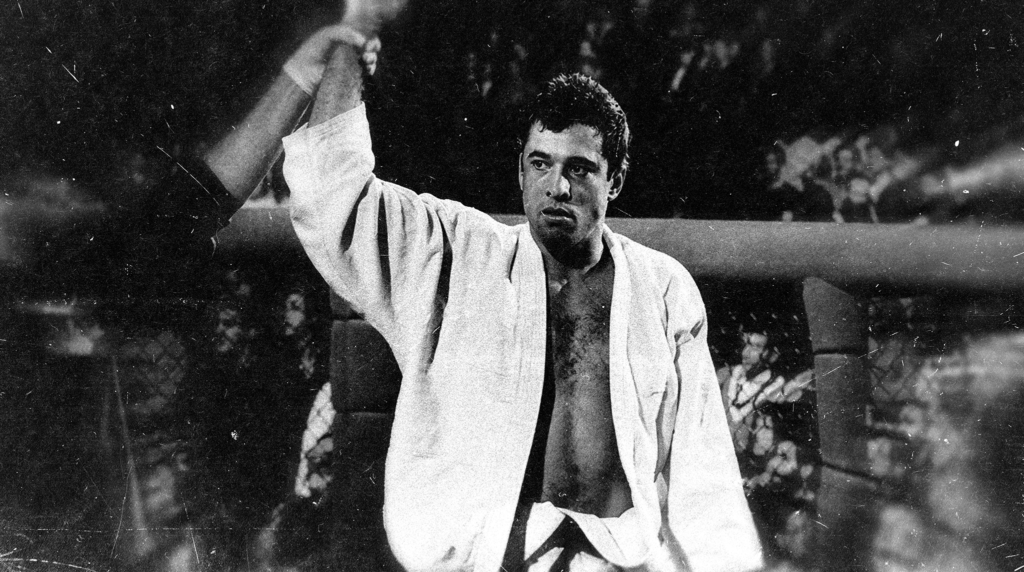
Royce Gracie made the UFC’s original premise compelling. His three submission victories at UFC 1 challenged expectations about size, strength, and what a dangerous fighter looked like.
Further tournament victories at UFC 2 and UFC 4 kept the question alive. Who could overcome the jiu-jitsu that kept exposing his opponents? Gracie helped make ground fighting essential knowledge for competitors and a source of fascination for spectators.
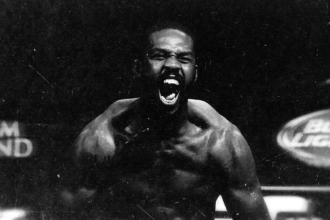


Read Royce Gracie’s full profile.
Ken Shamrock
Ken Shamrock gave the early UFC a recognizable rival for Gracie and later a champion audiences could follow beyond the tournaments. His fighting reputation traveled into professional wrestling, reaching viewers outside MMA.
When he returned to face Tito Ortiz, that recognition and their personal hostility helped make the matchup a major attraction. Shamrock’s history gave his later confrontations meaning beyond the result.
Read Ken Shamrock’s full profile.
Champions to Build Around
Before the television breakthrough, established champions sustained interest through uncertain years. Their title reigns gave audiences achievements to measure, opponents to anticipate, and personalities to invest in.
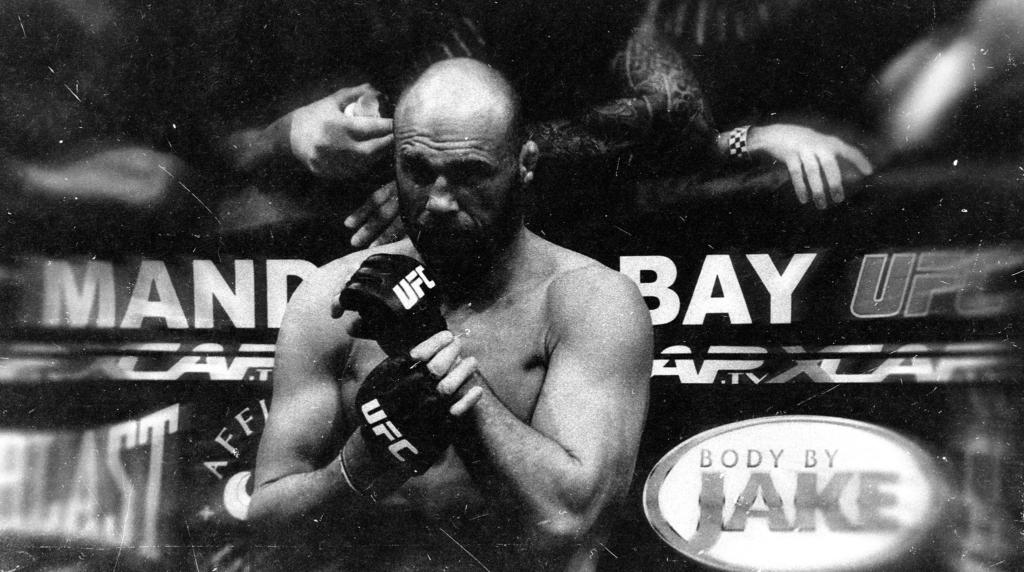
Randy Couture
Randy Couture made it difficult for fans to dismiss the possibility of another comeback.
Across heavyweight and light heavyweight, he found ways to overcome opponents who appeared to have the advantages. His coaching role on the first season of The Ultimate Fighter introduced that experience to a new audience. Couture made preparation and reinvention part of the attraction, giving setbacks somewhere to lead.
Read Randy Couture’s full profile.
Tito Ortiz
Tito Ortiz gave fans a champion to support, resent, and pay to see challenged during the UFC’s lean years. Five successful title defenses backed up the attitude, making his confidence harder to dismiss.
Rivalries with Ken Shamrock and Chuck Liddell turned that competitive standing into personal stakes. Ortiz helped keep audiences invested before the boom and remained central as those confrontations reached more viewers.
Read Tito Ortiz’s full profile.
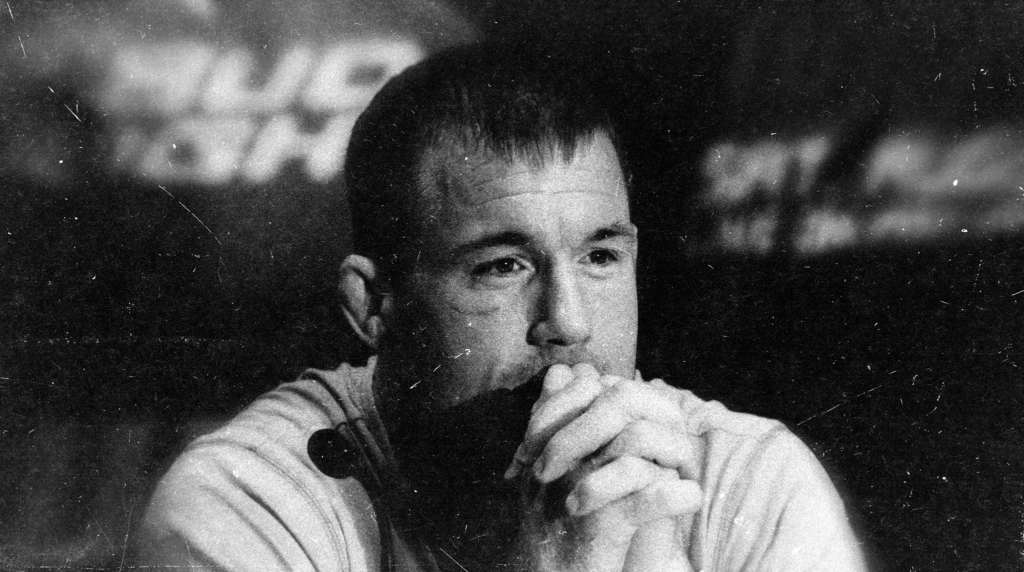
Matt Hughes
Matt Hughes gave welterweight an established champion whose defeat would mean something. His wrestling, submissions, and dramatic recoveries supported two championship reigns, and his rivalries connected different stages of the UFC’s development.
Facing Royce Gracie put the sport’s evolution on display. Facing B.J. Penn and Georges St-Pierre helped establish the significance of the champions who challenged and eventually surpassed him.
Read Matt Hughes’s full profile.
The Television Breakthrough
Television gave the UFC more opportunities to introduce its fighters. Liddell and Griffin turned that exposure into lasting followings in different ways.
Chuck Liddell
Chuck Liddell gave the UFC’s expanding audience a star with an immediately recognizable look and a reason to watch from the opening bell. His knockouts delivered on the threat his image suggested, and his rivalries with Ortiz and Couture gave those finishes a larger story.
As The Ultimate Fighter brought new viewers into the sport, Liddell’s championship run helped make him a defining face of its boom.
Read Chuck Liddell’s full profile.
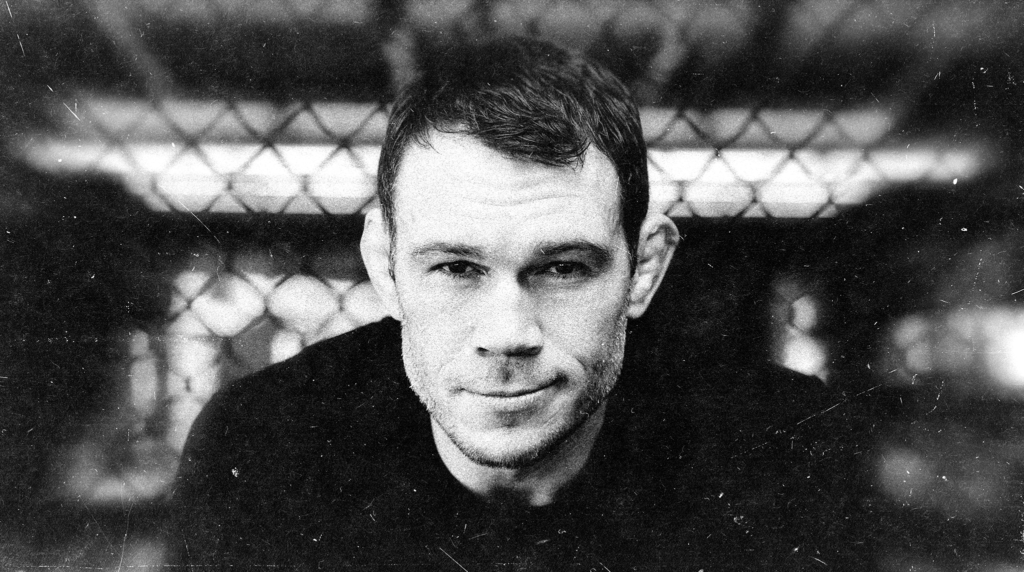
Forrest Griffin
Forrest Griffin’s fight with Stephan Bonnar gave the first Ultimate Fighter finale its defining moment. His career afterward rewarded the audience that stayed.
Viewers watched him face setbacks, defeat established opponents, and eventually win the light heavyweight championship. Griffin gave the UFC a television success story that continued beyond the show, turning interest in a contestant into investment in a fighter’s career.
Read Forrest Griffin’s full profile.
Bigger Audiences, Different Attractions
As the UFC grew, its stars reached people through national pride, exceptional performances, ambitions across weight classes, and fame earned elsewhere.
Georges St-Pierre
Georges St-Pierre combined championship dominance with meticulous preparation and professionalism. His success gave Canadian fans a champion to rally behind, helping make the promotion’s expansion there feel personal. But his appeal reached further than that.
St-Pierre’s ability to recover from defeat, adapt to opponents, and sustain excellence raised expectations for what a UFC champion could represent.
Read Georges St-Pierre’s full profile.
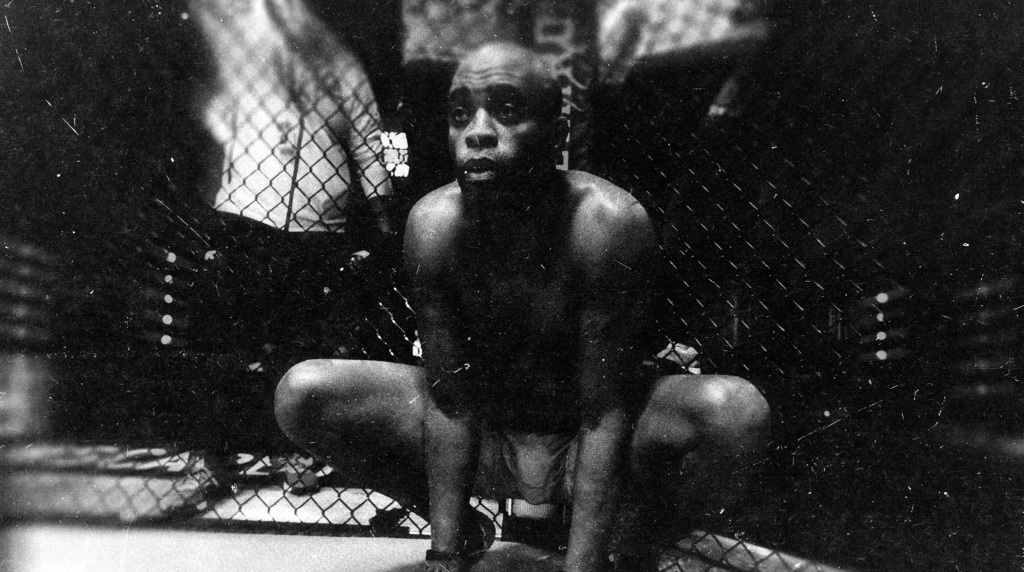
Anderson Silva
Anderson Silva made extraordinary ability a reason to keep watching. His middleweight reign provided continuity, but the variety and precision of his finishes made each appearance promise something different.
Even viewers unfamiliar with MMA immediately recognized his skill and creativity. His popularity also strengthened the UFC’s connection with Brazil, and his rivalry with Chael Sonnen gave audiences a more personal reason to invest.
Read Anderson Silva’s full profile.
B.J. Penn
B.J. Penn’s ambitions reached beyond lightweight, and his victory over welterweight champion Matt Hughes gave those ambitions substance.
Bringing that reputation back to 155 pounds helped make lightweight a destination for major fights. His rivalry with Jens Pulver, exposure through The Ultimate Fighter, and championship performances gave the division a central attraction. Penn helped show that a fighter’s size did not have to limit the scale of his appeal.
Read B.J. Penn’s full profile.
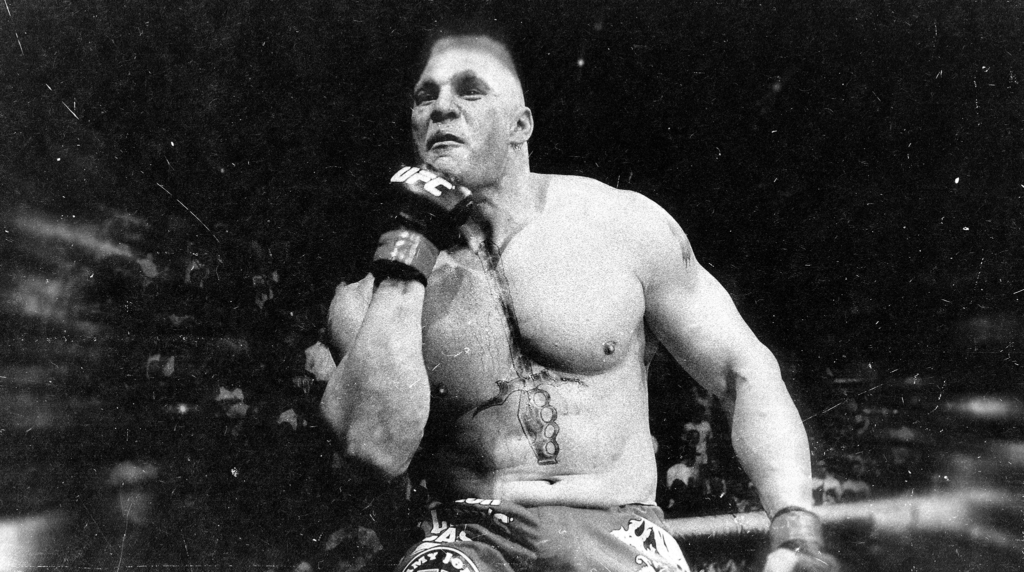
Brock Lesnar
Brock Lesnar arrived with recognition the UFC did not have to create. WWE fans knew his name, and supporters and skeptics both wanted to see whether his wrestling background and physical gifts would translate to MMA.
Winning the heavyweight championship established his credibility as a fighter. The crossover curiosity surrounding his arrival became a major attraction that helped sell blockbuster events.
Read Brock Lesnar’s full profile.
Greatness and Global Stardom
By this stage, the UFC had an established audience and recognizable stars. Jones delivered dominance across generations, Rousey opened new opportunities for women, and McGregor took drawing power to unprecedented heights.
Jon Jones
Jon Jones defeated established champions, turned away challengers from later generations, and eventually won a second division’s title at heavyweight. His longevity gave the UFC years of achievements to promote, and rivalries with Rashad Evans and Daniel Cormier added personal stakes.
Suspensions and championship interruptions complicated that relationship. Even so, his career kept audiences invested in the question of who could challenge his place at the top.
Read Jon Jones’s full profile.
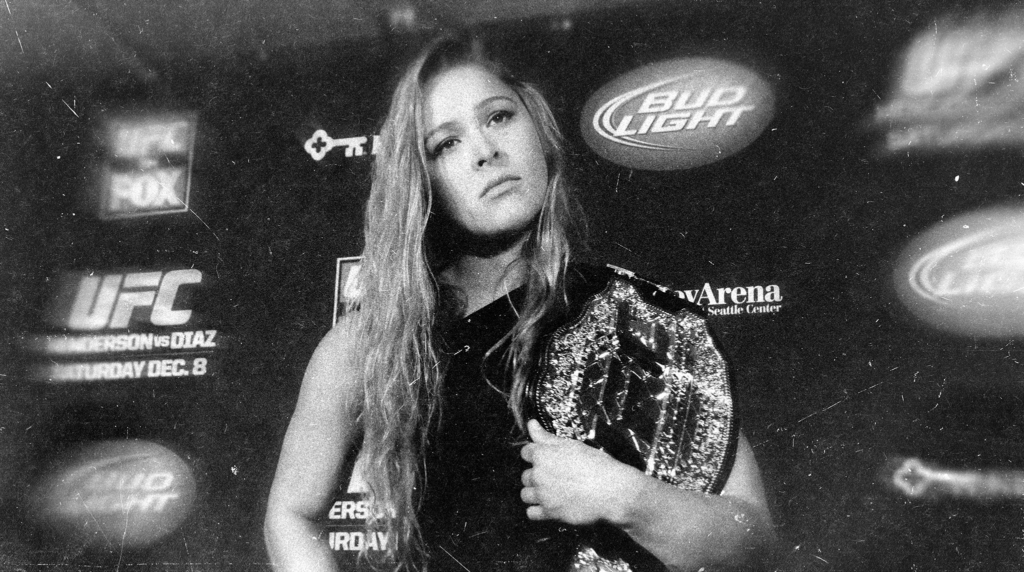
Ronda Rousey
Ronda Rousey helped change who could make a career in the UFC. Her rise was central to the promotion’s decision to introduce women’s competition, and she quickly became one of its leading attractions.
Championship dominance, a recognizable submission, and mainstream fame made her reach unusually broad. Women became part of the UFC’s divisions, television programming, and headline attractions, with Rousey leading that transformation.
Read Ronda Rousey’s full profile.
Conor McGregor
Conor McGregor joined a promotion that was already thriving and pushed its commercial possibilities further. Bold predictions and historic victories made his rise compelling, and personal rivalries gave audiences reasons to watch beyond the belts involved.
His Irish following, crossover recognition, and record-setting events expanded the scale of UFC stardom. McGregor helped make a fighter’s next appearance feel like an event far beyond the sport’s existing audience.
Read Conor McGregor’s full profile.
What Their Stories Build Together
The UFC grew through the attachments fans formed with its fighters. A tournament victory became a rivalry. A television introduction became a championship journey. Success inside the cage brought attention from audiences beyond it.
These 14 profiles follow those connections across generations, showing how much the promotion’s identity owes to the people who competed for it.
Their contributions existed alongside those of opponents, coaches, promoters, broadcasters, and many other athletes. The individual profiles examine the setbacks and complications, too. Understanding their importance means looking at what their careers changed.
The UFC could book the next event, but it was these fighters who helped make people care who would be on it.