
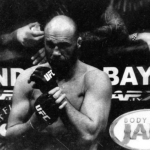
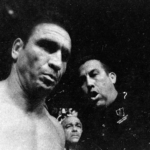

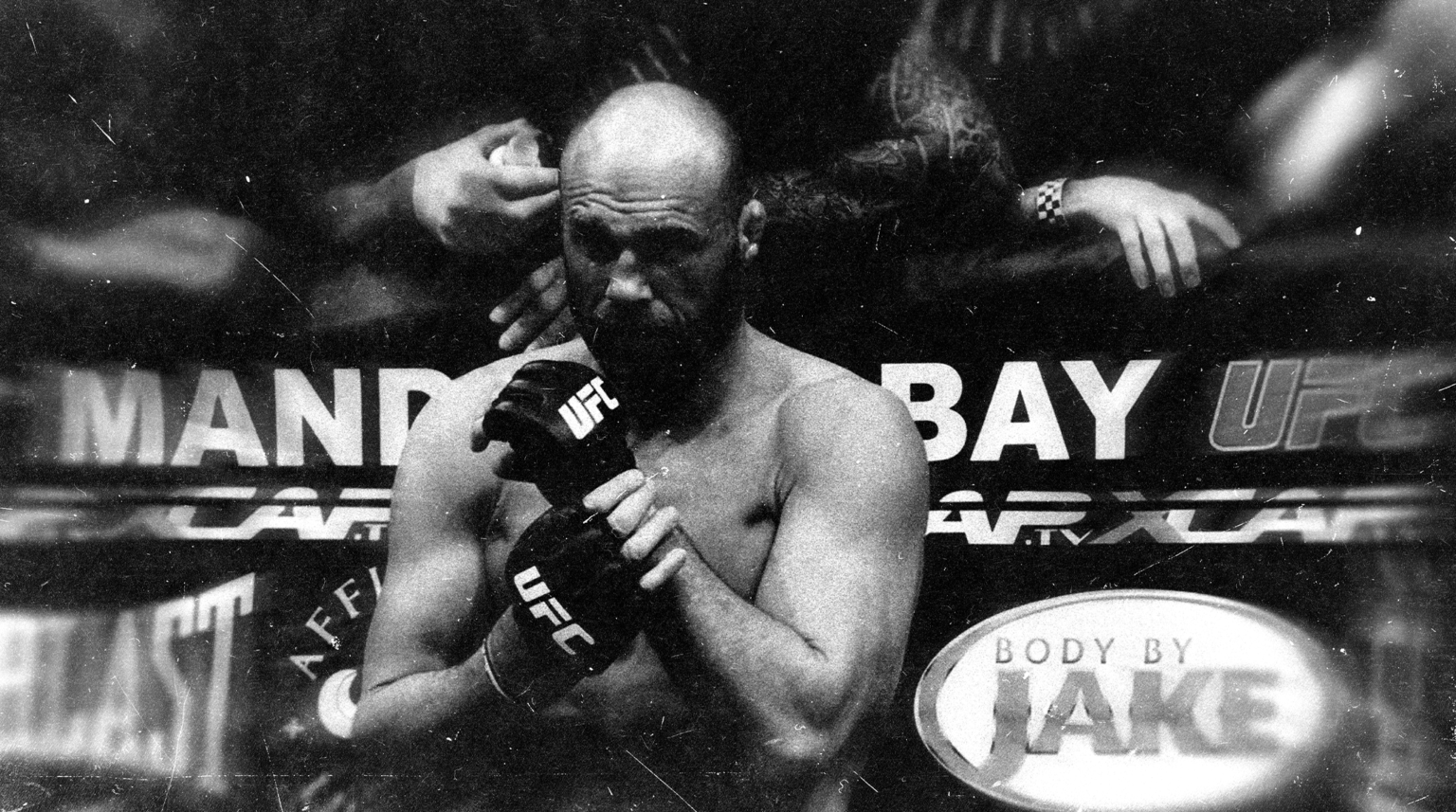

Randy Couture made the comeback one of the UFC’s most compelling attractions. When a defeat, a younger opponent, or his age seemed to suggest that his championship days were over, he found another way to win.
His importance stretched across several stages of the promotion’s growth. He became a heavyweight champion before Zuffa bought the organization, challenged its biggest personalities at light heavyweight, and helped introduce its fighters to a television audience through The Ultimate Fighter.
Then, at 43, he returned from retirement and won the heavyweight championship again.
Couture gave the UFC more than a decorated résumé. He gave it a familiar figure whose next challenge could feel worth following even after fans had watched him lose. His career made adaptation, preparation, and resilience part of the promotion’s appeal.
A Late Start With an Established Foundation
Couture was 33 when he made his professional MMA debut at UFC 13 in May 1997. He won twice that night to claim the heavyweight tournament, beginning a fighting career at an age when many athletes are already deep into theirs.
He was new to MMA, but competition was familiar territory. A U.S. Army veteran, Couture had been a three-time NCAA All-American at Oklahoma State and an accomplished international Greco-Roman wrestler. That background gave him the balance, positional awareness, and comfort in close quarters that would define his approach.
Later that year, he stopped Vitor Belfort, disrupting the rise of one of the UFC’s most explosive young fighters. In December, he defeated Maurice Smith to become heavyweight champion.
Couture could make a dangerous opponent fight at his pace. Against fast hands and powerful strikes, he offered pressure, wrestling, and an ability to turn close exchanges into exhausting work.

That approach was part of the UFC’s evolving competitive identity. Winning required more than possessing a dangerous specialty. Fighters needed to impose it against opponents determined to deny them the opportunity.
Finding Another Way to the Top
Couture’s early championship success did not produce an uninterrupted reign. He left the UFC following a contract dispute, competed elsewhere, and returned in November 2000 to defeat Kevin Randleman for the heavyweight title.
His career would repeatedly follow that pattern of interruption and renewal.
After subsequent heavyweight losses to Josh Barnett and Ricco Rodriguez, Couture moved to light heavyweight. In June 2003, he faced Chuck Liddell for the interim championship at UFC 43. Liddell was a dangerous contender waiting for his opportunity against Tito Ortiz. Couture changed those plans by stopping him in the third round.
Three months later, he defeated Ortiz over five rounds at UFC 44 to unify the championship. Couture became the first fighter to win UFC titles in two weight divisions, earning the belts in separate periods of his career.
For the UFC, those victories created a new chapter around two of its most recognizable fighters. The veteran moving down from heavyweight had beaten both the feared challenger and the established champion.
Couture’s appeal came from making those results understandable. He could study an opponent, identify a weakness, and build a fight around exploiting it. His success gave fans a reason to pay attention to the preparation behind the performance.
A Familiar Face for a New Audience
In 2005, Couture and Liddell coached opposite teams on the first season of The Ultimate Fighter. Their involvement placed two established champions at the center of the UFC’s attempt to reach viewers through weekly television.
The format gave audiences time with fighters between bouts. Training, fatigue, disagreements, and ambition became part of the viewing experience. Couture’s role as a coach showed an experienced competitor explaining his craft and helping others pursue it.
That mattered for a promotion asking new viewers to invest in unfamiliar athletes. Couture brought credibility to the competition and a calm, approachable presence to the screen.
Forrest Griffin and Stephan Bonnar’s finale fight became the season’s defining moment. Couture and Liddell supplied another connection between the show and the UFC’s established championship scene. Their rematch headlined UFC 52 one week later.
Liddell knocked Couture out in the first round to win the light heavyweight title. The result hurt Couture’s championship ambitions, but the matchup gave viewers who had followed the coaches a clear reason to follow them onto pay-per-view.
Couture’s contribution to that breakthrough was shared with the cast, his fellow coach, and the people behind the show. He helped make the UFC’s existing world accessible to an audience just discovering it.
The Comeback That Defined His Appeal
A second knockout loss to Liddell in February 2006 prompted Couture to announce his retirement. Later that year, he entered the UFC Hall of Fame. His career already seemed complete enough to celebrate.
Instead, he returned.
At UFC 68 in March 2007, the 43-year-old challenged Tim Sylvia for the heavyweight championship. Sylvia’s size and reach made the task immediately apparent. Couture was returning from more than a year away to fight a much larger champion.
An early knockdown changed the mood of the fight. Couture then sustained his advantage across five rounds, winning every round on all three judges’ scorecards. He had reclaimed the heavyweight title for a third time.
The performance captured what made him such a valuable figure for the UFC. Fans could understand the difficulty before the opening bell, then watch him solve it through timing, positioning, and discipline.
His age made the achievement remarkable. His execution made it convincing.
Couture followed the Sylvia victory by stopping Gabriel Gonzaga at UFC 74 that August. At 44, he had backed up his comeback with a successful title defense.
Those victories gave the promotion a championship story with an appeal that reached past technical knowledge. Viewers did not need to understand every clinch exchange to appreciate a veteran returning from retirement and beating younger heavyweights.
An Uneasy Relationship With the Company He Helped Build
Couture’s importance to the UFC did not make his relationship with its management straightforward.
In October 2007, he announced his resignation from the organization amid disagreements over pay, treatment, and the failure to secure a fight with Fedor Emelianenko. A contractual and legal standoff followed before Couture reached an agreement to return in 2008.
That dispute belongs in his story. Couture helped build the promotion while also challenging the terms under which he worked for it. His standing as a champion and audience favorite did not erase those competing interests.
His return brought him into another significant moment in UFC history: Brock Lesnar’s rise.
Their UFC 91 matchup paired an established champion with a crossover star still proving himself in MMA. Lesnar brought size, athleticism, and an audience from professional wrestling. Couture brought the title and years of championship credibility.
Lesnar stopped him in the second round. For the challenger, beating Couture supplied a result that fame alone could not provide. For Couture, it marked the end of his final UFC championship reign.
He had become a connecting figure between the promotion’s earlier years and its expanding commercial future.
A Career That Gave Defeat Somewhere to Go
Couture continued competing until 2011, closing his career against Lyoto Machida at UFC 129. His record included painful defeats as well as extraordinary victories. Both were part of the connection he built with fans.
A loss did not automatically exhaust interest in what he might do next. He had changed divisions, adjusted his approach, returned from retirement, and regained championships often enough to make another challenge compelling.
His work outside competition also carried his name into other settings. Xtreme Couture established a training base under his identity, while appearances in The Expendables franchise introduced him to action-film audiences. Those ventures broadened his visibility, but his place in UFC history rests on what made that recognition possible.
He was a champion across different eras, a coach during a crucial television breakthrough, and an opponent whose reputation helped make other fighters’ victories significant.
Randy Couture helped build the UFC by giving its audience a career worth staying invested in. Every return carried the history of what he had already overcome. At his best, he made another unlikely championship feel possible, then stepped into the Octagon and earned it.
Explore the Building the UFC Series
From proving what worked inside the Octagon to bringing millions of new fans to the sport, these fighters helped shape the UFC at pivotal points in its history. Explore their stories: