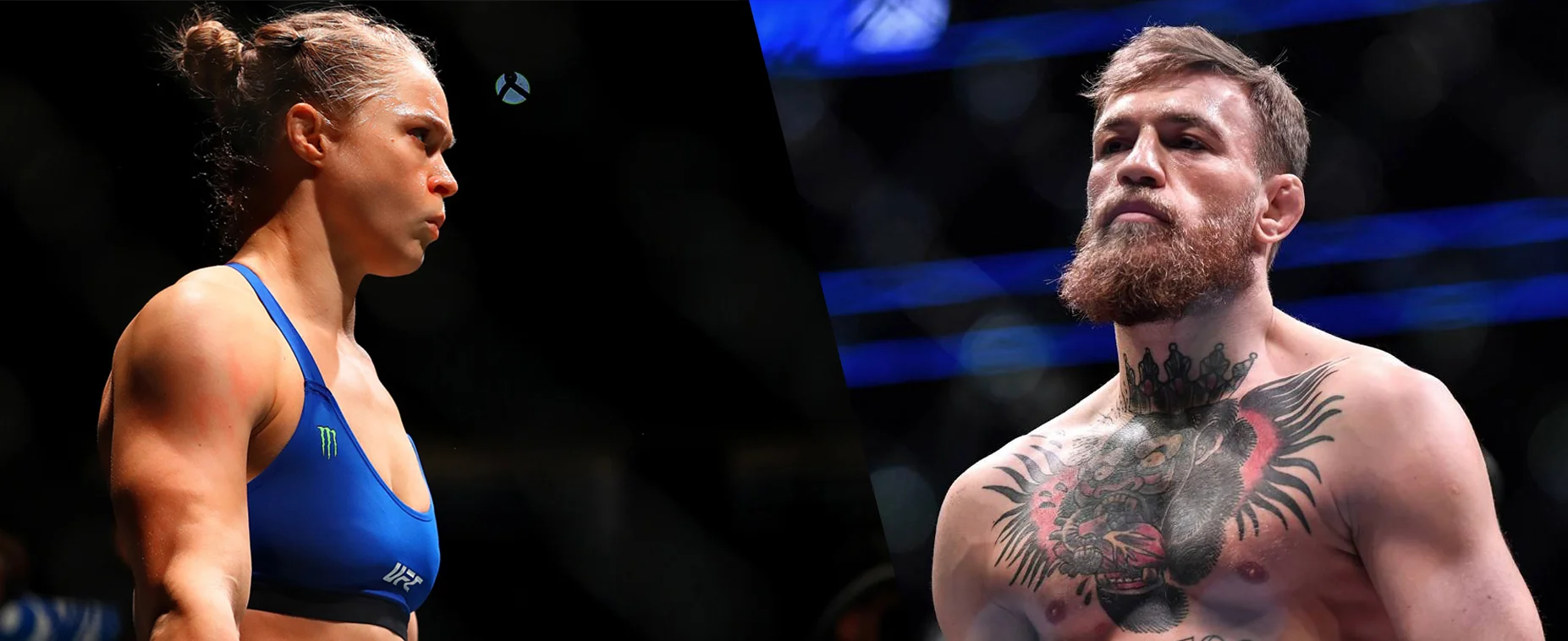

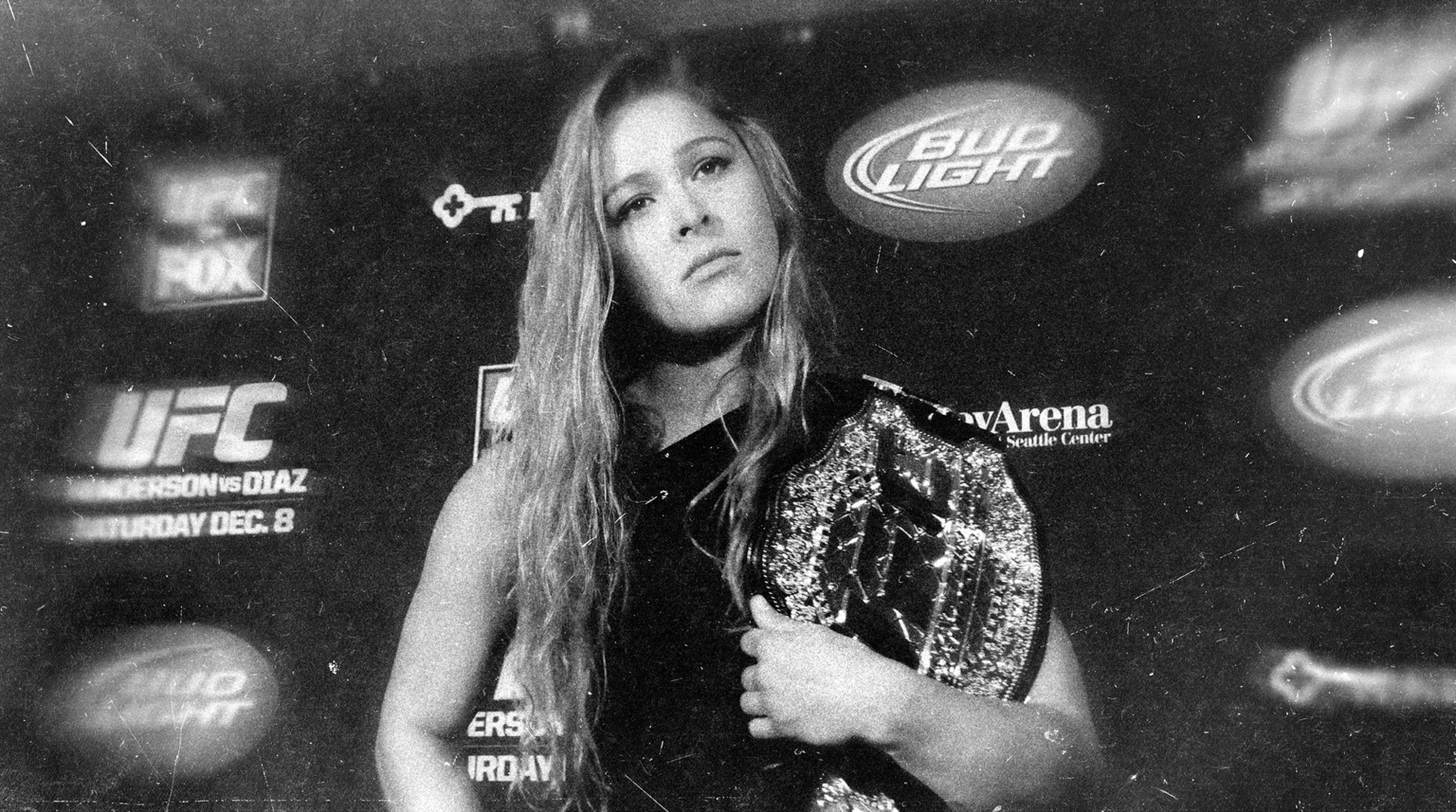

Ronda Rousey changed who could build a career in the UFC. When she began competing professionally, the promotion did not have a women’s division. Within two years, she was its first female champion and headlining a pay-per-view.
Her arrival changed more than the roster. Rousey became one of the organization’s defining attractions, combining an Olympic pedigree, a signature submission, and a personality that made people pay attention. Fans could admire her confidence or want to see it tested. Either way, her fights became events.
For a promotion still expanding its audience, she offered both an immediate star and evidence that an entire group of athletes it had excluded belonged on its biggest stages.
An Olympian With a Signature Finish
Before becoming an MMA champion, Rousey had already made sporting history. At the 2008 Beijing Olympics, she won bronze in judo, becoming the first American woman to earn an Olympic medal in the discipline.
That background became the foundation of her fighting identity. She could close the distance, throw an opponent, and move into a submission before the other fighter had time to recover. Her armbar became a recognizable threat, even to viewers unfamiliar with the finer points of grappling.
Rousey began competing in amateur MMA in 2010 and turned professional the following year. Her first four professional victories came by armbar, each in less than a minute. By March 2012, she was challenging Miesha Tate for the Strikeforce bantamweight championship.
The appeal was immediate. Opponents knew what she wanted, yet knowing did not mean they could stop it.
That predictability became part of the suspense. Every fight asked whether the next challenger could survive the position that had ended the previous one.

A Rivalry That Raised the Stakes
Rousey’s first fight with Tate gave her rapid rise a personal edge.
Tate was an established champion. Rousey was an ambitious challenger whose confidence and willingness to speak her mind generated attention well beyond her short professional résumé. Their disagreements turned the matchup into something fans could take sides on.
The fight rewarded that interest. Tate escaped an early armbar attempt and threatened Rousey’s back before the challenger secured another armbar to win the championship in the first round. Rousey then defended the belt against Sarah Kaufman with another quick submission.
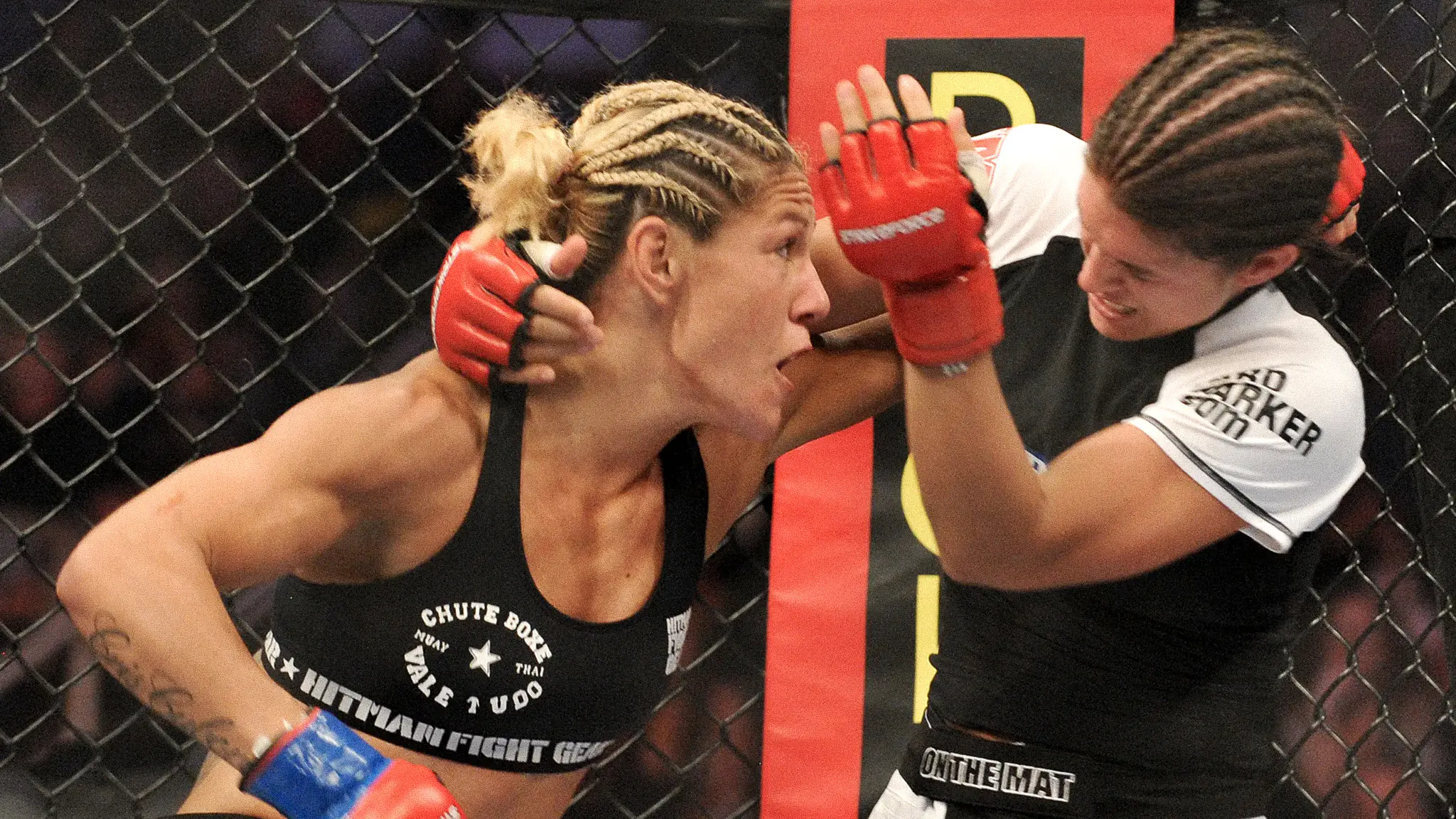
Women’s MMA already had a history worth recognizing. Gina Carano and Cris Cyborg had headlined a major Strikeforce event in 2009, demonstrating that women could carry a prominent card before Rousey’s professional debut.
Rousey built on that foundation. Her distinction was bringing together the competitive success, promotional instinct, and timing that helped force a change at the UFC.
Tate was essential to that story, too. Their rivalry gave the division a conflict audiences could follow, with two accomplished fighters whose dislike for each other made the stakes feel personal.
Turning “Never” Into a Main Event
In 2011, Dana White publicly dismissed the possibility of women fighting in the UFC. Rousey’s rise helped change his position. By late 2012, the promotion had named her its inaugural women’s bantamweight champion.
The significance went beyond transferring a championship from Strikeforce. The UFC was committing to a women’s division and putting its new champion at the center of a major event.
On February 23, 2013, Rousey faced Liz Carmouche in the main event of UFC 157. The first women’s fight in UFC history was also the final fight of the night, with the championship and the event’s headline billing attached to it.
Carmouche made the occasion competitive, taking Rousey’s back and threatening a submission. Rousey escaped and finished the fight with her armbar before the opening round ended.
It was a fitting introduction. Viewers saw the champion tested, watched her respond, and received the finish that had made her famous.
The UFC had gone from excluding women to trusting two of them to headline a pay-per-view. Rousey was central to making that reversal possible.
A Division Becomes Must-Watch Television
Later in 2013, Rousey and Tate coached opposite teams on season 18 of The Ultimate Fighter. It was the first season to feature women as both coaches and competitors, with male and female bantamweights competing for UFC contracts.
That exposure mattered beyond promoting their rematch. Women were becoming part of the UFC’s television programming, its recruiting system, and the personalities fans followed between events.
Rousey’s intensity also made her polarizing. The same hostility toward Tate that some viewers admired alienated others. Her appeal did not depend on universal approval. The rivalry gave audiences a reason to care about what happened next.
When they met again at UFC 168, Tate became the first opponent to take Rousey beyond the opening round. Rousey still finished her by armbar in the third.
Across her championship reign, Rousey completed six successful UFC title defenses and finished every challenger. The run included stoppages of Sara McMann, Alexis Davis, Cat Zingano, and Bethe Correia.
The speed of those performances became an attraction of its own. Davis lasted 16 seconds, Zingano 14, and Correia 34. Three title defenses required just 64 seconds of combined fight time.
For viewers, the warning was simple. Be watching when the fight starts.
A Star Beyond MMA
Rousey’s reach soon extended far beyond the people buying UFC events.
Film appearances in The Expendables 3, Furious 7, and Entourage placed her in front of entertainment audiences. Magazine coverage introduced her to readers who might never have watched a full fight.
In 2015, Sports Illustrated featured her on its cover as “The World’s Most Dominant Athlete.” A female UFC champion was now central to a wider sporting conversation about excellence. Her visibility gave the promotion exposure in places where its fights alone might not have reached.
A woman could be the fighter on the poster, the athlete on the magazine cover, and the reason someone watched the UFC for the first time. Rousey’s confidence offered young fans an image of female athletic ambition that was openly competitive and unapologetic about wanting to be the best.
Her later WWE career demonstrated how far that recognition could travel. Across two runs, she held the Raw and SmackDown women’s championships, won the 2022 women’s Royal Rumble, and captured tag team gold with Shayna Baszler. At WrestleMania 35 in 2019, she joined Becky Lynch and Charlotte Flair in the event’s first women’s main event.
The Reign Ends, the Opportunity Remains
The scale of Rousey’s drawing power during her UFC reign was visible at UFC 193 in Melbourne in November 2015. Her title defense against Holly Holm headlined an event with an announced attendance of 56,214, a UFC record at the time.
Holm dismantled her approach and finished her with a second-round head kick. The result ended both Rousey’s unbeaten record and her championship reign.
Her return against Amanda Nunes at UFC 207 in December 2016 ended in another decisive defeat, this time in 48 seconds. Those losses exposed weaknesses that her earlier dominance had obscured and marked the end of her UFC run.
By then, however, women’s competition had a place within the promotion that extended beyond her. Other champions, contenders, and rivalries could command attention. The opportunity she helped secure remained available after she stopped winning.
In 2018, she became the first woman inducted into the UFC Hall of Fame, formal recognition of a contribution that went beyond her championship record.
Rousey did not create women’s MMA alone. Earlier pioneers established its foundation, her rivals helped make its biggest fights compelling, and subsequent champions expanded what was possible. Her contribution was helping convince the UFC to open its doors, then becoming one of its strongest attractions.
That is why she belongs in the story of building the promotion. She expanded its audience while helping change who could compete, become a champion, and headline its events.
Ronda Rousey went from being a fighter the UFC had no place for to a champion it built major events around. Her success changed who the promotion could put at the center of its business and how many people would pay attention.
Explore the Building the UFC Series
From proving what worked inside the Octagon to bringing millions of new fans to the sport, these fighters helped shape the UFC at pivotal points in its history. Explore their stories: