







MMA promoters spend plenty of time talking about the fans they want next. But I find myself more interested in what they’re offering the ones who already show up.
The fans who watch beyond the main event. Who follow a prospect before a ranking appears next to their name. Who can get excited about a matchup without needing a celebrity in the front row to tell them it’s important.
There is an audience for the sport beyond its most recognizable names. And as promoters compete for the next generation’s attention, serving that audience could become one of MMA’s biggest opportunities.
But reaching it requires more than signing familiar veterans and promising to be different from the UFC. It requires giving people a reason to invest in what comes next.
Everyone Wants the Next Generation
Dana White has openly embraced the influence of internet creators. In a Forbes interview, he discussed giving them access and receiving promotion they would ordinarily charge others to provide. The story also examined how that approach helped build Power Slap’s online presence.
Jake Paul and Nakisa Bidarian have made reaching younger audiences central to Most Valuable Promotions. Bidarian told Square Mile that the opportunity he saw in boxing involved shifting attention toward Gen Z and Gen Alpha. Discussing MVP MMA with Sportico, he also identified connecting with the next generation as a competitive advantage.
The logic makes sense. Promotions need new viewers. Fighters benefit from broader exposure. Someone who discovers MMA through a streamer today could become the person watching every preliminary bout tomorrow.
But Bidarian’s argument about boxing comes from a sport with a much longer commercial history. MMA is at a different stage. Fans who helped carry the UFC into the mainstream are still here, still watching, and still willing to discover fighters.


Pursuing the next generation makes sense. Treating the existing audience like a generation the sport has already outgrown does not.
As a wrestling fan, I recognize the feeling. I felt it during WWE’s shift toward PG programming, and I feel it again under TKO. A company pursues the audience it wants next and starts treating the people already invested as though their loyalty requires no maintenance.
An influencer can make an introduction. But the promotion still has to build the relationship. And if there’s a lesson to take from that experience, it’s that a fan’s history with your product doesn’t guarantee their future with it.
Loyalty Should Be Earned Again
I find myself increasingly distracted by everything surrounding the competition. Corporate partnerships. Executive personalities. Political appearances.
The UFC’s White House event brought the intersection of politics and promotion into sharp focus. For some viewers, that setting added to the attraction. For others, it made the sport harder to separate from a political identity they never signed up to share.
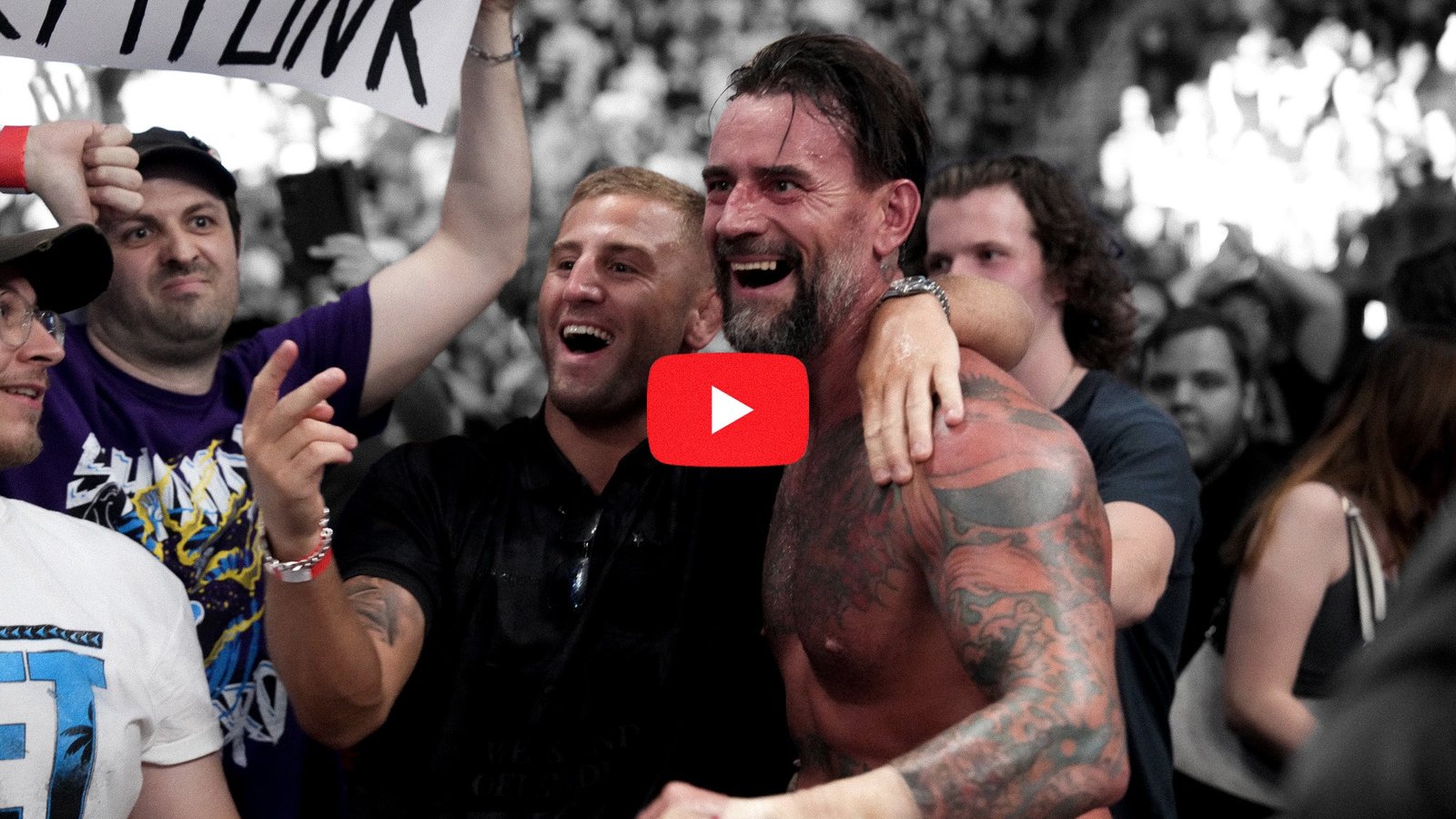
Promoters also seem impressed by their own guest lists. A famous face in the crowd might get a clip circulating, but what is the viewer supposed to become invested in afterward? The celebrity’s night out?
Making an unfamiliar fighter worth following takes more work. That is where I want to see the effort.
A committed fan might keep watching because they care about the fighters. That doesn’t necessarily mean they like the presentation, trust the matchmaking, or feel enthusiastic about the promotion’s direction. Keeping fans watching shouldn’t mean taking their satisfaction for granted.
I still want to discover fighters. I still want to argue about who deserves the next title shot and get excited about a matchup that means little to someone who only watches the biggest names.
The UFC deserves credit for making its events more affordable for U.S. viewers through its Paramount agreement. But making fights easier to watch is only part of the job. Fans still need reasons to stay invested in the fighters.
“A prospect should have an identity that survives a first defeat.”
Entertainment Is the Promotion’s Job, Too
Earning that investment also means making wins lead somewhere. In The UFC Wants Risk, but Its Fighters Need Security, I explored the tension between demanding exciting performances and giving fighters enough security to take chances. Asking for entertainment means little if a defeat threatens someone’s livelihood and a win still offers no clear route forward.
An alternative could make a different bargain.
Reward exciting performances without making a fighter’s future depend on producing one every night. Let a technically dominant win advance someone, even when the crowd wanted a brawl. Give fighters enough security to take risks and fans enough clarity to understand what the results mean.
The promotion has a job here, too. Explain the skill, build the personalities, and establish the stakes. Fighters shouldn’t have to manufacture all the entertainment by taking greater risks inside the cage.
Fans can find fights across the UFC, LFA, Cage Warriors, CFFC, and elsewhere. What makes a particular matchup worth anticipating is knowing who is involved, what brought them together, and what the result could change.
That is where MMA can borrow from pro wrestling’s presentation. Give competitors room to speak. Understand their personalities. Recognize existing rivalries and contrasting styles. Make people curious about what happens when those particular fighters meet.
The competition supplies uncertainty. The promotion should make that uncertainty compelling.
Familiar Names Are Only a Starting Point
An alternative promotion could hear this argument and reach for the most predictable answer available. Sign recognizable names, bring back former stars, and sell longtime fans another chance to see someone they remember.
That approach has limits.
Bellator frequently paired established attractions with developing talent. Its history also included real investment in fighters such as AJ McKee, who began his professional career there.
But name recognition alone cannot give a promotion an identity worth following.
A veteran can bring credibility, compete at a high level, or provide a meaningful test for an emerging contender. There should be room for that. But their value needs to extend beyond reminding viewers where they used to fight.
The same applies to prospects. An undefeated record can attract attention, but it cannot be the entire scouting report. Ability, personality, an existing following, and a connection to a community all give a promotion something to work with.
Recruit intentionally. Find people who can compete with each other and give an audience reasons to choose sides. A veteran should have ambitions of their own and a realistic chance to win. A prospect should have an identity that survives a first defeat.
Fans who follow MMA closely are often willing to care about someone unfamiliar. Discovering that fighter can be part of the appeal.
If the biggest selling point of your roster is what its members accomplished elsewhere, you still have to explain why your own future deserves attention.
Earn the Fans Who Already Care
MVP has already articulated part of this opportunity. Bidarian has criticized the UFC for emphasizing its brand over its fighters and positioned MVP MMA around giving athletes greater prominence. Those are promises worth measuring against the product it delivers.
The same standard should apply to anyone claiming to offer an alternative.
A promotion doesn’t become different simply by saying it respects fighters or understands fans. That has to show up in its decisions, its broadcasts, and the reasons people return.
There is room to borrow from pro wrestling and television casting by recognizing who can connect with an audience, then giving them the support to do it. Make a signing feel like an arrival. Find a regional rivalry and consider staging it somewhere the crowd already has a stake in the outcome. Lean into hometowns, gyms, and communities.
When someone wins a championship, have people working to get that fighter into interviews, local media, and collaborations beyond the promotion’s own channels. Give the achievement a life after the broadcast ends.
A belt shouldn’t be the end of the sales pitch.
“The competition supplies uncertainty. The promotion should make that uncertainty compelling.”
A promotion should want fighters whose names reach people its own brand hasn’t reached yet. Their success gives new audiences a reason to watch and existing fans someone to follow beyond fight night.
If keeping the company bigger than every athlete becomes the priority, building stars comes with a ceiling. The promotion is asking fans to invest in people it is only willing to promote so far.
There are commercial limits to all of this. Publicity costs money. A passionate audience alone cannot cover every purse or production bill. Any serious challenger needs distribution, resources, and a sustainable business.
But an audience that cares deeply can provide a foundation worth building around.
The sweet spot is a promotion that rewards existing interest and knows how to create more of it. One that makes knowledgeable fans feel their attention is worthwhile and gives newcomers enough context to join them.
Everyone wants the next generation of fight fans. But the fans who care the most shouldn’t be the easiest to take for granted.