




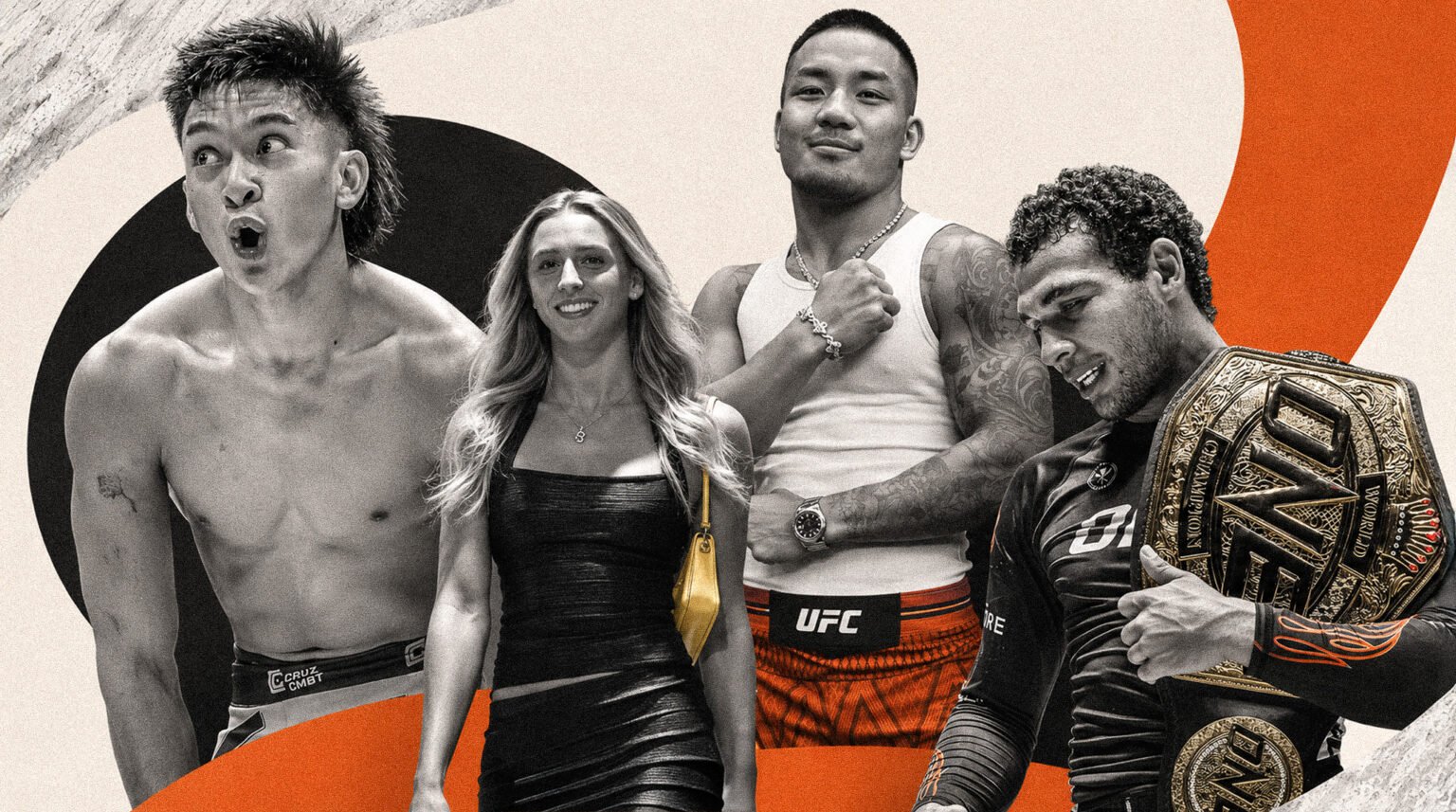

MMA promotions need one eye on the present and another on the future. Established stars cannot headline forever, and finding their successors takes more than spotting an unbeaten record.
These eight fighters have given fans reasons to pay attention. Some have already won major championships. Others are building toward that breakthrough.
Betting on who will carry MMA’s next eight years is a gamble. These eight are worth building around.
1. Raul Rosas Jr.
Raul Rosas Jr.’s age dominated the conversation when he signed with the UFC. Against Rob Font at UFC 326, he showed he could beat an established bantamweight over three rounds. His takedowns and pursuit of the back force opponents to spend long stretches defending, and developing the striking around those attacks would make him harder to prepare for.
Outside the cage, Rosas represents a new generation of fighters who know how to reach fans without waiting for their next fight to be booked. Streaming, YouTube appearances, and collaborations with creators keep him in front of an audience between appearances in the octagon.
His appearance with streamer N3on put his skills in front of an audience that might never have watched a bantamweight contender otherwise. Fans can discover the personality first and follow the fighting afterward.
His Mexican identity, confidence, and willingness to entertain give that audience plenty to connect with. Rosas has discussed retiring young if he accomplishes his goals, which complicates an eight-year projection. But he is already learning how to make people care about him beyond a result. That relationship with fans could outlast the novelty of his age or the pursuit of a youngest-champion record.
2. Joshua Van
Joshua Van reached the UFC flyweight championship in his early twenties with a style that makes opponents work for every second of relief. Cover up against his combinations, and he digs into the body. Try to reset, and he steps closer. Against Brandon Royval at UFC 317, he maintained that threat through three frantic rounds and dropped him near the final bell.


The response to Van outside the cage shows how far his following reaches. Students crowded around him for photographs when he returned to his former school in Malaysia. In India, he attended an event in Mizoram where local leaders and community organizations honored him, recognizing the connection between his Chin heritage and communities across the border.
People see someone who represents them holding a championship on a global stage.
The UFC can introduce Van’s growing audience to the challengers pursuing his championship and the rivalries shaping the division. Fans arriving to support him could become fans of flyweight itself.
3. Michael Morales
Michael Morales can make an experienced welterweight look short on options. Stay outside, and his reach becomes a problem. Step into range, and he has the speed and power to punish the attempt. Against Gilbert Burns, he broke free from the veteran’s attempt to tie him up and resumed the attack until the referee intervened.
First-round stoppages of Burns and Sean Brady showed how quickly Morales could dismantle established contenders. He can take his time finding an opening without letting an opponent get comfortable. Once he hurts someone, that patience gives way to combinations that leave little room to recover.
Representing Ecuador and training in Mexico, Morales has connections to two audiences that can follow his climb together. His growing following gives the UFC an audience already invested in his pursuit of a championship. Winning the belt could turn that support into something much bigger, with Morales leading a new generation of Latin American stars.
4. Bilal Hasan
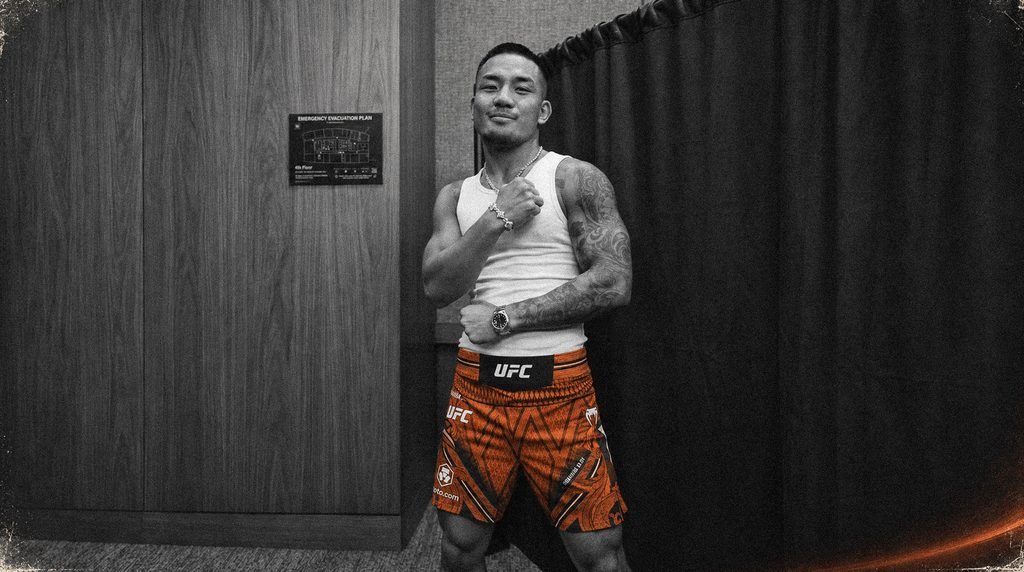
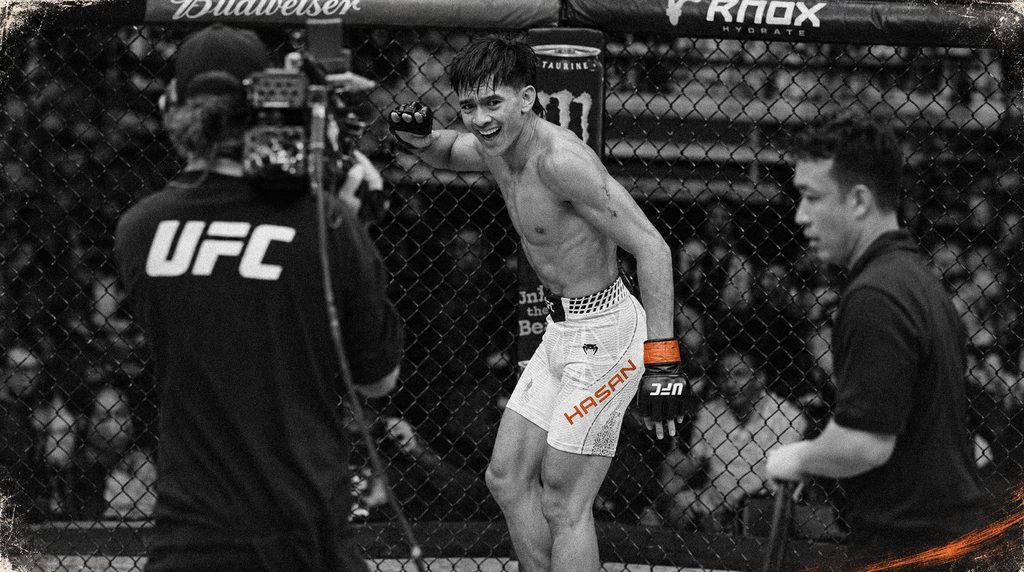
Bilal Hasan danced to Michael Jackson on his way to his UFC debut, then knocked out Nilson Rojas in the second round. The Michael Jackson influence runs deeper than a walkout choice. His moonwalk celebrations were part of his identity before he reached the UFC.
Like Rosas, Hasan understands that a fighter’s audience does not have to disappear between bookings. His YouTube content, Instagram presence, and behind-the-scenes videos give people more of “The IndoNinja” than a few minutes inside the cage. His knockouts might bring someone to his page, but it’s the dancing, humor, and personality that persuade them to stick around.
Hasan does not have to spend every appearance explaining who he is. “The IndoNinja,” the Michael Jackson celebrations, and his finishing ability already make him recognizable. As the opponents get tougher, fans will find out whether he can keep winning with the same swagger.
5. Quillan Salkilld
Quillan Salkilld needed only 19 seconds to stop Anshul Jubli in his UFC debut. His early UFC run also included a decision victory, giving him experience beyond catching someone in the opening exchanges. Lightweight demands both. Opponents who survive the initial attack still need to be beaten.
Outside the cage, Salkilld is comfortable being a little ridiculous. He has spoken about how his spontaneous, silly posts attract more attention than anything overly formal. That humor gives his growing social following a different version of the fighter responsible for those violent finishes. People enjoy the guy as much as they enjoy watching him knock someone out.
For Australian fans, Salkilld offers someone they can rally behind without needing a manufactured rivalry or rehearsed persona. His finishing ability gets him noticed, and his personality makes supporting him feel easy. The next eight years give him time to become a reason the UFC returns to Australia, rather than simply someone it books when it visits.
6. Dakota Ditcheva
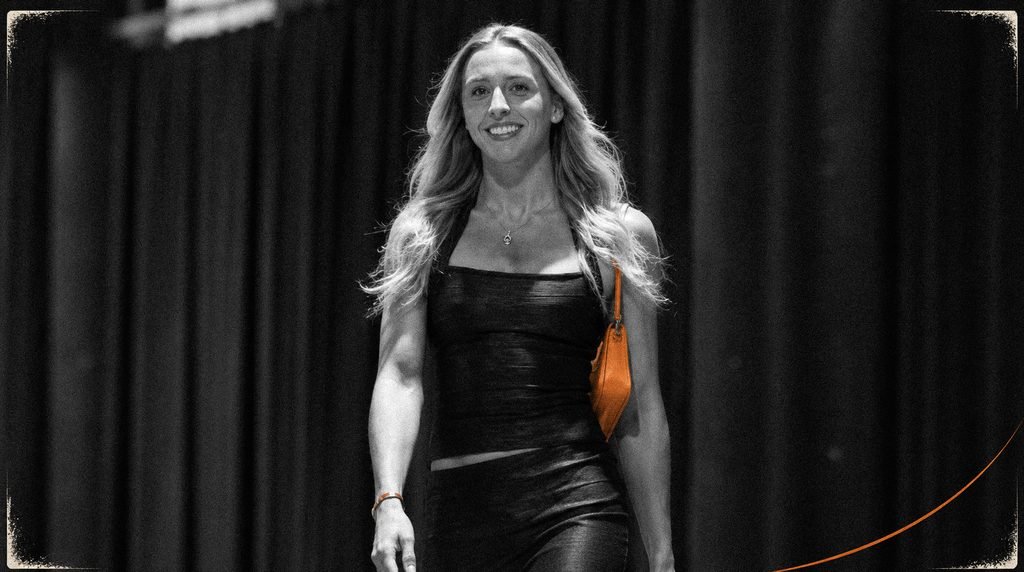
Dakota Ditcheva is girly, confident, and will beat you up. Against Taila Santos in the 2024 PFL championship final, she dismantled a former UFC title challenger and stopped her in the second round.
She also treats fighting as a career that should pay her properly. Ditcheva has spoken positively about her compensation and corrected speculation that she was nearing the end of her PFL deal. A UFC move may appeal to fans imagining particular matchups, but she has financial reasons to keep building elsewhere. That gives MVP MMA a potential centerpiece as it takes over from the PFL following their merger.
Hand injuries have interrupted Ditcheva’s momentum, but the question follows her through every performance. How would she fare against the UFC’s best? Her dominance invites those matchups even without a contract to make them happen.
Regardless, MVP MMA has a fighter it can build around as fans debate whether she is already the best flyweight in the world.
7. Usman Nurmagomedov
The Nurmagomedov name brings expectations of relentless wrestling. Usman can spend long stretches making opponents deal with his kicks instead. He attacks the legs and body, changes distance, and brings the takedown threat into exchanges where opponents are already struggling to get close.
His first meeting with Paul Hughes showed how compelling those skills become against someone who can challenge them. Hughes defended takedowns and attacked the body, pushing Nurmagomedov through five rounds before losing a majority decision.
Usman is also building a following of his own on Instagram. The family name introduces him to fans, but his performances and personality give them a career to follow separately from Khabib or Islam Makhachev. He would bring an existing audience into a new promotion, with fans already debating who he could beat.
Members of his camp have signaled interest in a UFC move, although that does not amount to a signed deal. A switch would let him test himself against the lightweights fans keep matching him with. Staying would give MVP MMA a champion with an established audience and challengers chasing the recognition that comes from beating a Nurmagomedov.
8. Tye Ruotolo
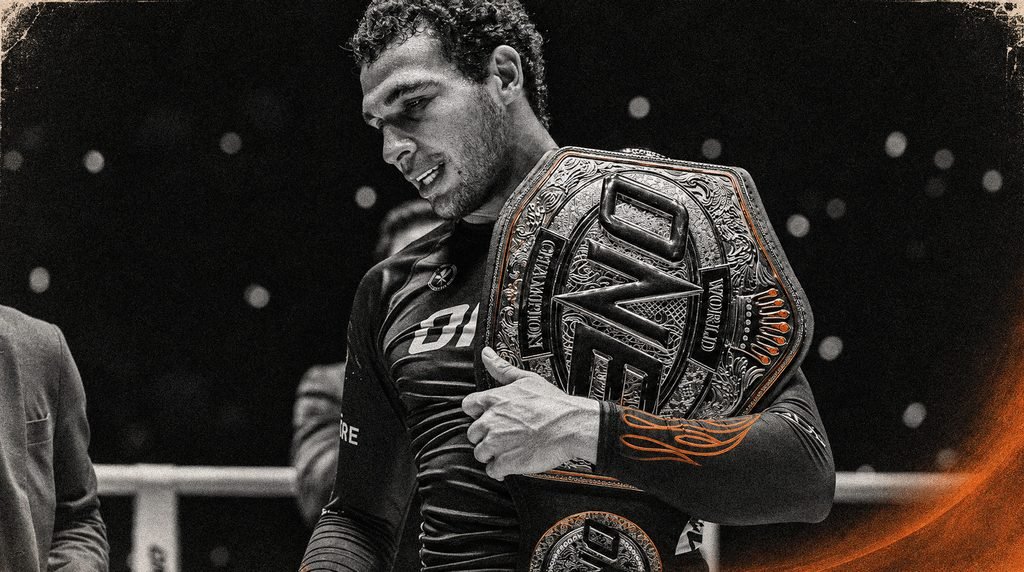
Tye Ruotolo won ONE’s lightweight MMA championship in only his third professional MMA fight. He was 23 when he submitted Christian Lee in November 2026, adding an MMA title to his accomplishments in submission grappling.
He could spend much of the next eight years improving before even reaching his thirties.
Against Lee, he created the opening with punches before advancing on the ground and taking the back. His submission game gives opponents an immediate problem, but his striking makes trying to keep the fight standing dangerous too. Longer fights and different opponents will reveal how much of his MMA game has caught up with his grappling.
Tye and twin brother Kade also bring an audience that followed them before they put on MMA gloves. Their parallel careers give those fans two reasons to cross over, compare their progress, and keep watching.
ONE can build around a champion whose grappling fans already follow and whose MMA career is still taking shape. Tye has reached the top before answering every question about his game. Watching opponents try to expose those gaps could make defending the championship as compelling as winning it.