







Joshua Van makes the end of a combination feel like a broken promise.
You cover up. The punches stop. You start to reset. He steps closer, digs into the body, and makes you work again.
Van can throw in volume without treating every exchange like a race to empty his lungs. He picks his moments, changes targets, and stays close enough to interrupt an opponent’s recovery.
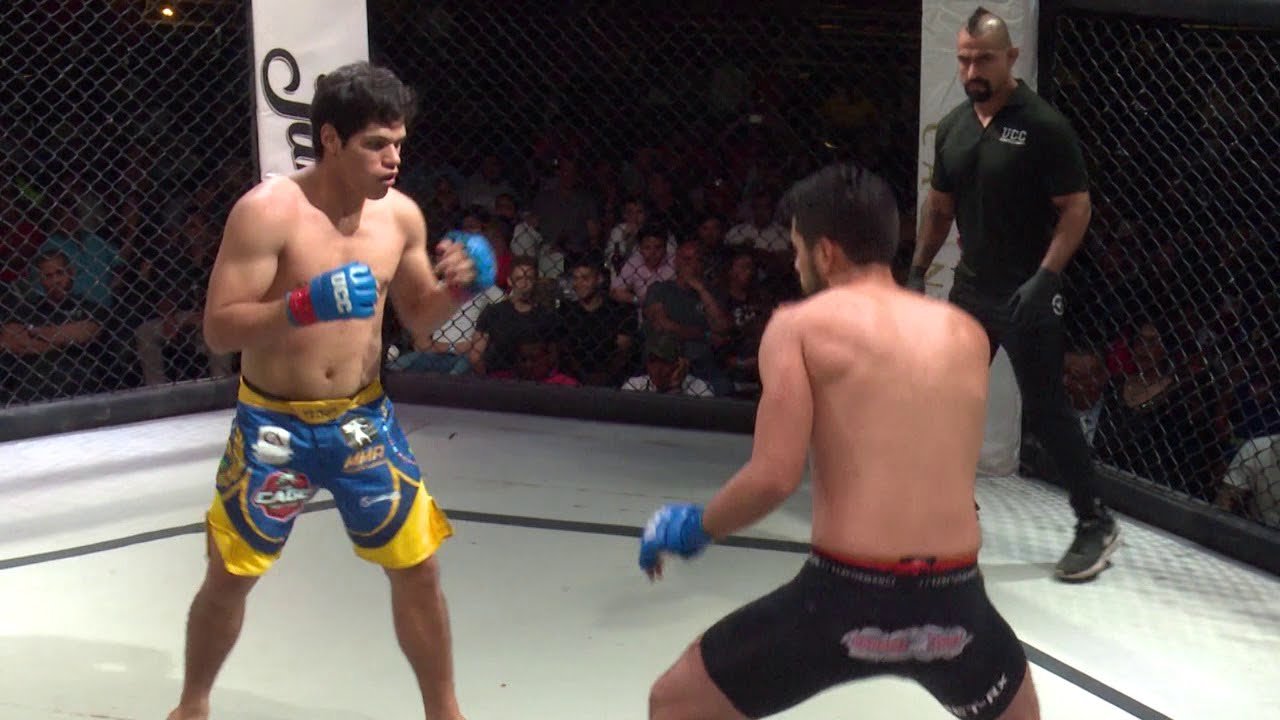
The early signs were there in Fury FC. Body hooks, knees, and combinations that flowed between punches and kicks made him a prospect worth watching. His UFC career tested those habits against opponents who could match his pace, threaten him on the ground, or punish him for staying within reach.
Van fights like he enjoys the part everyone else needs a break from.
A Fast Education in Fighting
Born in Hakha, Myanmar, Van settled in Houston with his family in 2013. The city became the foundation of his fighting career.
He went 4–0 as an amateur, began his professional career in 2021, and made his UFC debut in June 2023. Within a few years, he had gone from regional competition to facing established UFC flyweights.
His comfort exchanging at close range stood out early. He could move between punches, kicks, and knees without appearing rushed, even when an opponent was throwing back.


That comfort gave him room to make decisions. An opponent covering up presented different openings from one trying to escape or fire back. Van could extend a combination, change targets, or reposition to keep the exchange going.
He was gaining experience in a hurry, often several punches at a time.
Pressure With Somewhere to Go
Walking forward can make a fighter look aggressive. Making an opponent run out of useful places to stand takes more work.
Van’s pressure is most effective when his feet keep him in position to punch. He can take the space an opponent gives him and begin the next exchange from closer range without chasing them with a desperate swing.
Reaching leaves a fighter stretched out and vulnerable. Staying balanced allows Van to keep punching, change levels, or respond when something comes back.
His combinations give opponents several jobs at once. They have to protect their head, account for the body, and find a way out before he starts again. Even a successful defensive exchange can end with Van occupying more of the cage.
He remains patient enough to pick his shots. Some punches keep the guard occupied. Others create an opening for a harder shot underneath or around it. He can build an exchange without trying to finish the fight with every swing.
Surviving the combination can still leave an opponent closer to the fence, with Van ready to start another.
The Body Keeps Him in Business
Van was already using hooks and knees to punish the body in his regional fights. Opponents who covered their head or allowed him to work inside gave him opportunities to dig underneath.
A tight guard can protect the face and still leave room below the elbows. Bringing those elbows down can create an opening upstairs. Van moves between those targets without abandoning the exchange.
An opponent reacting to a body shot may stop moving, fold forward, or become more concerned with defending than answering. Each response can give him time to continue. Even when the shot does not visibly hurt someone, it gives them another target to protect.
Against Tatsuro Taira at UFC 328, Van carried that threat into the fifth round. He defended early takedown attempts, hurt Taira to the body, and followed with strikes to force the stoppage at 1:32.
After more than 20 minutes of fighting, he still had enough left to create an opening and follow it upstairs.
When Someone Matches the Pace
Brandon Royval gave Van an opponent willing to keep throwing with him.
At UFC 317, Royval landed 215 significant strikes and Van landed 204. Across three rounds, they connected with a combined 419.
Van won a unanimous decision, maintaining his offense against someone who kept answering. Royval gave him little opportunity to settle into long stretches of attacking a covered-up opponent.
Van had to work with punches coming back, trusting his combinations without assuming they would end the exchange. Landing cleanly did not guarantee room to reset. Royval could already be throwing again.
The punishment went both ways. Staying close enough to land repeatedly meant spending time where Royval could reach him, too. Van’s composure helped him keep working through those exchanges, but he absorbed plenty of damage doing it.
Taking Him Down Is Only Part of the Job
Van’s early opponents found opportunities to take him down. His ability to return to his feet helped prevent those moments from deciding every fight, though his defensive grappling still needed development.
Against Rei Tsuruya at UFC 313, he won all three rounds on every judge’s scorecard. His later stoppage of Taira required him to keep dealing with grappling threats deep into a championship fight.
For Van, defending a takedown protects the offense that makes him dangerous. Every prolonged scramble takes time away from his combinations and body work. Stopping an attempt or escaping quickly allows him to make an opponent defend again.
He can threaten submissions himself, with a rear-naked choke and a calf slicer among his professional finishes. His preference for striking does not leave him without options when a fight hits the ground.
An opponent trying to wrestle him has to do more than complete the entry. They have to establish control, contain his movement, and keep him from returning to the exchanges they were trying to escape.
The Cost of Staying Close
Charles Johnson caught Van where he likes to work.
In July 2024, Johnson knocked him out with a right uppercut just 20 seconds into the third round. The distance that allows Van to connect in combinations also leaves him available for counters.
His output can make him look in control even when an exchange remains dangerous. Against Royval, he kept landing and kept getting hit. Against Johnson, a counter ended the fight.
Knowing when to leave is part of making his pressure sustainable. Extending a combination can catch an opponent recovering, but it can also keep Van in front of someone who has found their timing.
“The Fearless” fits his willingness to engage. He still has to recognize when another punch is worth the risk.
Making the Pressure Last
Van’s first UFC championship victory ended before either fighter could establish much. Alexandre Pantoja suffered an arm injury, bringing their UFC 323 fight to a close after 26 seconds.
Their rematch at UFC 331 lasted the full five rounds. Van retained the title by unanimous decision, taking the habits visible in his regional career through a complete championship fight.
Over that distance, keeping an opponent busy requires energy for more than punching. Van has to defend, recover his position, and find opportunities to resume his offense. Each interruption asks him to build the pressure again.
His body work and combinations give him ways to do it. He can make an opponent defend upstairs, pull their attention down, and step into the space they surrender. The exchanges accumulate, leaving fewer comfortable moments between them.
Everyone gets a minute between rounds. Joshua Van makes you fight for every other break.