







Cody Ray’s Bleachers to Stages makes a convincing case that his audience should be much bigger. His deep delivery, instinct for a beat, and wordplay keep supplying reasons to run a song back. He sounds comfortable betting on himself, and across this album, it becomes increasingly difficult to argue with the bet.
Following the no-skips standard set by The Odyssey, expectations were high. The surprise is how much previously released music appears here, with songs reaching back to 2023. That raises an immediate question about whether the project will feel like a cohesive album or a collection of singles.
In a message shared before the album’s release, Cody explained the distinction between the two projects. The Odyssey reflected on moving to LA, finding his voice, and wondering whether years of work would pay off. Bleachers to Stages explores what happened after his Rhythm + Flow opportunity ended. Despite the support following his elimination, he found himself back at his day job, still chasing the same dream.
“This is about what happens after you almost had it,” he wrote. “The hunger to keep going when you have every reason to quit.”
That context gives the album’s confidence more weight. The boasts come from someone who experienced a breakthrough without the lasting change he had hoped for, and kept working anyway.
Despite drawing from several years of releases, the album largely holds together. The older material helps illustrate Cody’s progression, while the recurring ambition and self-belief connect songs recorded at different points in that journey.
There are moments when the difference in eras is audible, but the album rarely feels dated. Its biggest strengths are how naturally much of that material connects and how often Cody makes confidence sound earned.
An Opening Run That Demands the Volume Up
“Fish & Steak” wastes no time establishing the appeal. Cody is talking his shit, switching through sharp flows, and sounding comfortable in his own identity. The Justin Bieber buzz cut reference adds humor to the flexing, while the writing ties a fuller plate to the responsibility he willingly asked for. He wants more and accepts the work that comes with it.

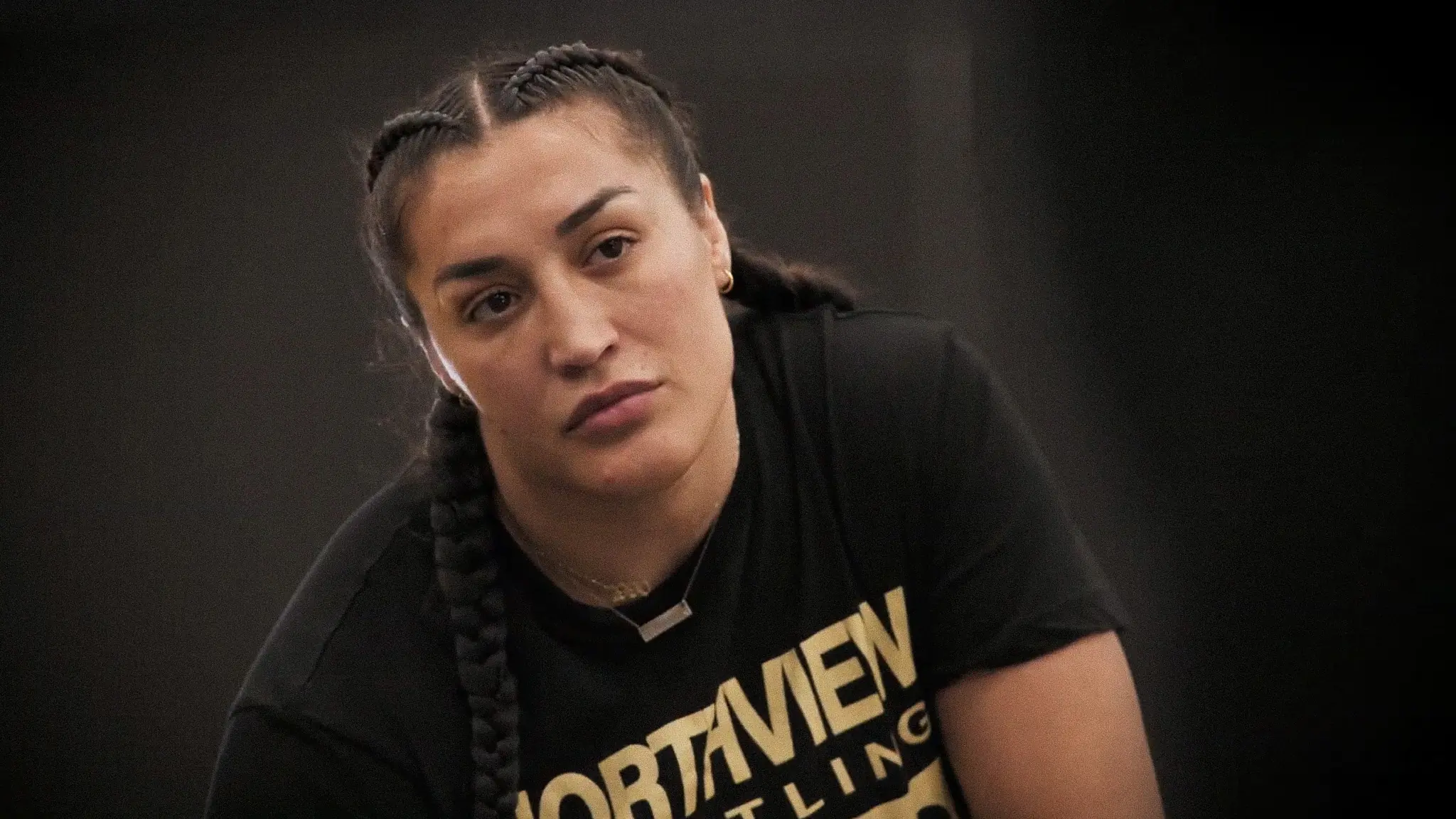
“Two things I’ll never be is a broke rapper or a kiss ass.”
Cody Ray raps on “Fish & Steak”
That line captures the opener’s attitude. The independence feels as important as the money, and the personality keeps the confidence from becoming anonymous rap bravado. “Fish & Steak” is an immediate highlight and the strongest contender among the newly heard songs.
The title track follows perfectly. Its frustration at being overlooked has bite, but the catchy hook gives that frustration somewhere to land. Cody can rap, and he understands how to turn that ability into a song that sticks. Together, these first two tracks establish a standard the album repeatedly meets.
“We Made It” brings his Rhythm + Flow experience into focus. His disbelief at being eliminated is easy to understand given the ability on display here. Yet the song finds room to celebrate progress even when the opportunity that seemed destined to change everything did not end as expected.
Quin Jaye is an excellent addition. His distinctive voice complements Cody’s deeper delivery, and he approaches the beat differently enough to give the collaboration another dimension. Three songs in, the album already has a strong run of tracks built to be played loud.
Features That Add to the Record
“YKTD” with Jerome Pawl pushes that opening stretch even further. The back-and-forth is a major part of its appeal, with complementary voices and a steady supply of bars making the collaboration feel natural.
Jerome’s Joe Rogan and Ric Flair references provide memorable moments of their own. He gives the listener something to anticipate when the microphone changes hands. Cody’s beat selection is another strength here, matching a production he can attack with a collaborator who can keep up.
An early preview was enough to make this one worth anticipating, and the full track delivers. “YKTD” remains a leading contender for the album’s best song.
Watch Cody Ray and Jerome Pawl trade bars in the “YKTD” music video below:
Changing the Pace Without Losing Momentum
“Dub Freestyle” eases the pace slightly without sacrificing what makes Cody compelling. His voice is particularly suited to this confident, bar-heavy delivery. Beneath the swagger is a relatable frustration about people seeing the results while missing the work that produced them.
Its distinction between watching from the bleachers and actually participating also gives the album’s title substance. Cody knows what he has put into getting here, and he hears himself as someone capable of competing with the best.
Just when that shift suggests a slower stretch, “Right on Schedule” brings the energy back. The trumpet-driven production has an anthem quality that makes it easy to imagine a marching band playing it at a college football game. It is just as easy to picture Cody performing it on tour.
His references to Guitar Center, skipping school, and betting on a move to LA connect his present confidence to earlier decisions. The vision came before the recognition. The beat and engineering make that story feel ready for the bigger stages he describes.
“Ten Summers” complements it with a slower take on that anthem feel. It is less immediately striking than the biggest highlights, but the flow and wordplay remain intact. Another Bieber reference adds to the humor, while the refusal to take breaks keeps the ambition consistent. The change in pace gives a new listener a useful glimpse of his range.
Finding the Place for His Melodic Side
“Nothing to Lose” initially feels like the album’s biggest question mark. The older recording leans further into singing, revealing a voice noticeably different from Cody’s deeper rap delivery. It offers evidence of his range, but also makes the distance between his earlier work and his more developed signature sound.
When “Torpedo” follows, that contrast becomes sharper. The bass hits, Cody attacks the beat, and the album returns to one of its strongest modes. His line about going from minimum wages to better business arrangements creatively captures the upward movement running through the project. In that moment, “Nothing to Lose” feels expendable.
The album’s first single, “Top Cinco,” later gives that inclusion more context. Cody sings the chorus and raps the verses, with such a distinct difference in his delivery that it almost sounds like two artists. This is where his melodic approach really clicks.
The beat is fire, the performance is assured, and his dismissal of criticism from people who have not done the work feels consistent with the rest of the record. Hearing it makes the earlier singing feel less isolated.
“Nothing to Lose” still is not among the strongest tracks, but it introduces a side of Cody that “Top Cinco” uses far more effectively.
The Confidence Has Substance
“Keep the Favors” is pure swag. Cody’s command of the beat makes a strong argument that he is approaching his prime. The appeal is immediate, with the voice, flow, and production all working together. Performances like this make the gap between his ability and his recognition feel especially difficult to explain.
“Rooftops” puts more emphasis on the conviction underneath that confidence. Its blunt observations about LA and refusal to second-guess his potential return to a relatable idea. Sometimes the belief that keeps a career moving has to come from the person doing the work.
“Stepper” adds another clear replay pick. The dojo and polo references bring personality, and the Channing Tatum wordplay is the kind of detail that makes a second or third listen worthwhile. There is enough happening in the writing to reward paying closer attention after the flow initially pulls you in.
Across these tracks, the self-belief can be familiar, but Cody keeps finding entertaining ways to express it. His confidence works because the performances give it substance.
One Song Beyond the Finish Line
“10 Days in Atlanta” with DreTL brings the album back to the opportunity that helped inspire it. In his message before the release, Cody described flying to Atlanta for Rhythm + Flow as the first time he felt he was actually in the game.
It’s good to hear Cody and DreTL collaborating after the competition, but Cody steals the song. His performance makes a strong case that he could have won their season.
Still, “Top Cinco” would have been a stronger musical ending. The context makes this closing choice understandable, but the 2024 collaboration feels like an extra track after the album has already reached a satisfying finish. It remains a good song without feeling essential to this particular sequence.
That is a relatively small weakness on a project with so many highlights. Bleachers to Stages draws from different years without generally sounding stuck in them. Its best songs make the progression clear through stronger performances, memorable hooks, and production Cody knows exactly how to handle.
“Fish & Steak” and “YKTD” lead a crowded field of standouts. “Right on Schedule,” “Stepper,” and “Top Cinco” show several directions worth exploring further. Cody has the bars, the voice, and the ability to make records that last beyond the first listen. The music already makes a convincing case for a bigger stage.
Listen to Bleachers to Stages
You can listen to Cody Ray’s Bleachers to Stages below: