




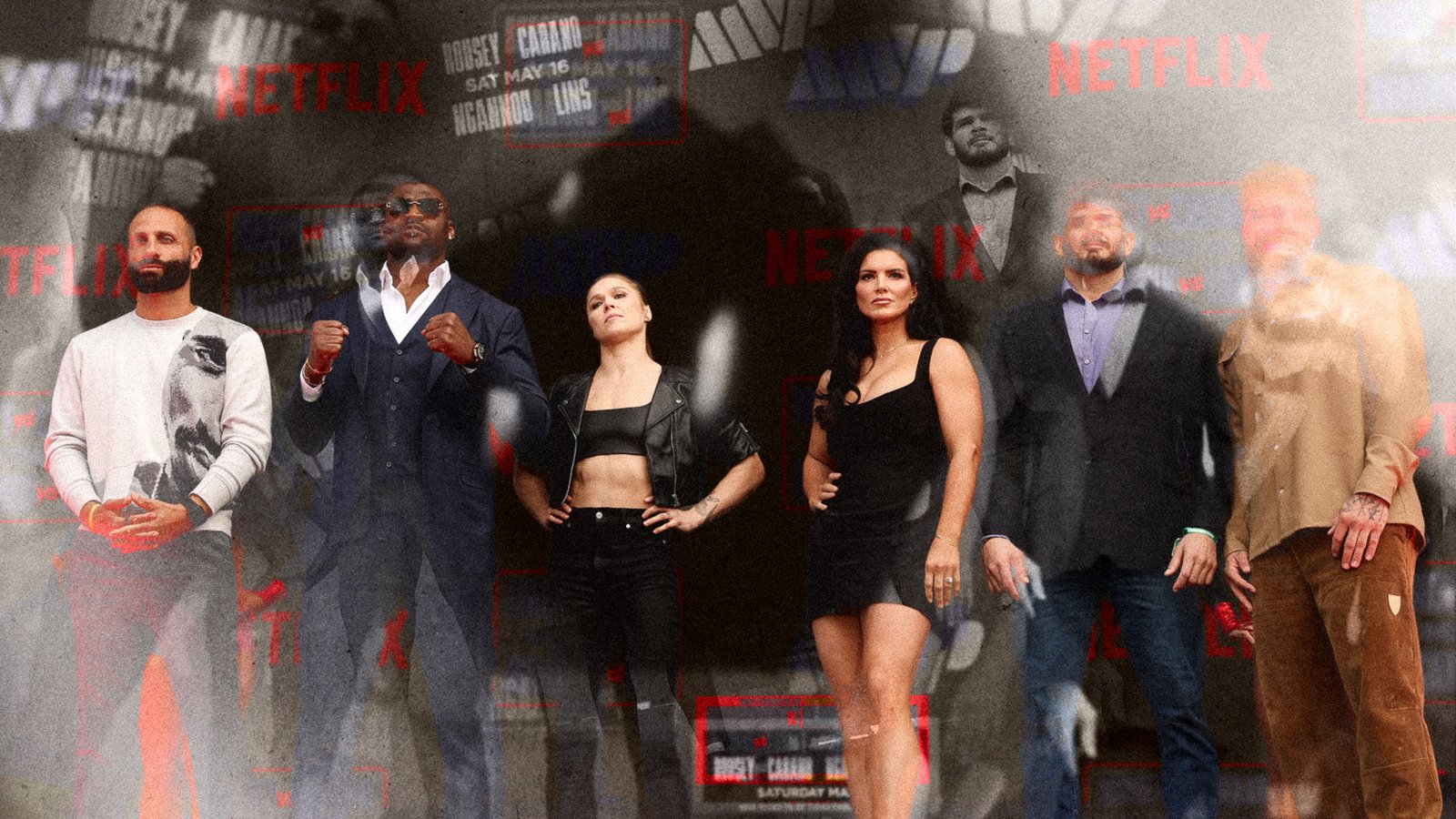

For all the headlines about Ronda Rousey vs. Gina Carano, the real story isn’t the fight, it’s the number attached to it. $40,000.
That’s the reported minimum base pay that fighters on this MVP-backed, Netflix-distributed card will walk away with. Apparently, long are the days of grinding on undercards for pennies. Just a baseline guarantee that, frankly, turns heads in a sport that has long been criticized for how it pays its athletes.
And for the UFC, that’s where the real competition lies.
All About Leverage
Let’s be honest, Rousey vs. Carano isn’t happening because it determines the best fighter in the world. It’s happening because it draws attention. And attention, in 2026, is currency.
Most Valuable Promotions has already proven that formula in boxing; build around big names, generating massive interest, and using that spotlight to reshape the fight game. Now, they’re applying that same blueprint to MMA, with Netflix acting as the distribution powerhouse instead of a traditional pay-per-view model.
But while the main event sells the show, it’s the undercard that tells the real story. Because if fighters on the lower end of the card are making $40K just to show up, the question becomes unavoidable:
Why wouldn’t a fighter consider this over the Ultimate Fighting Championship?
Undercard Fighters Have Power
The UFC isn’t losing its champions anytime soon. Belts still matter, legacy still matters and the spotlight is still brightest there. But the fight isn’t for champions, it’s for everyone else.
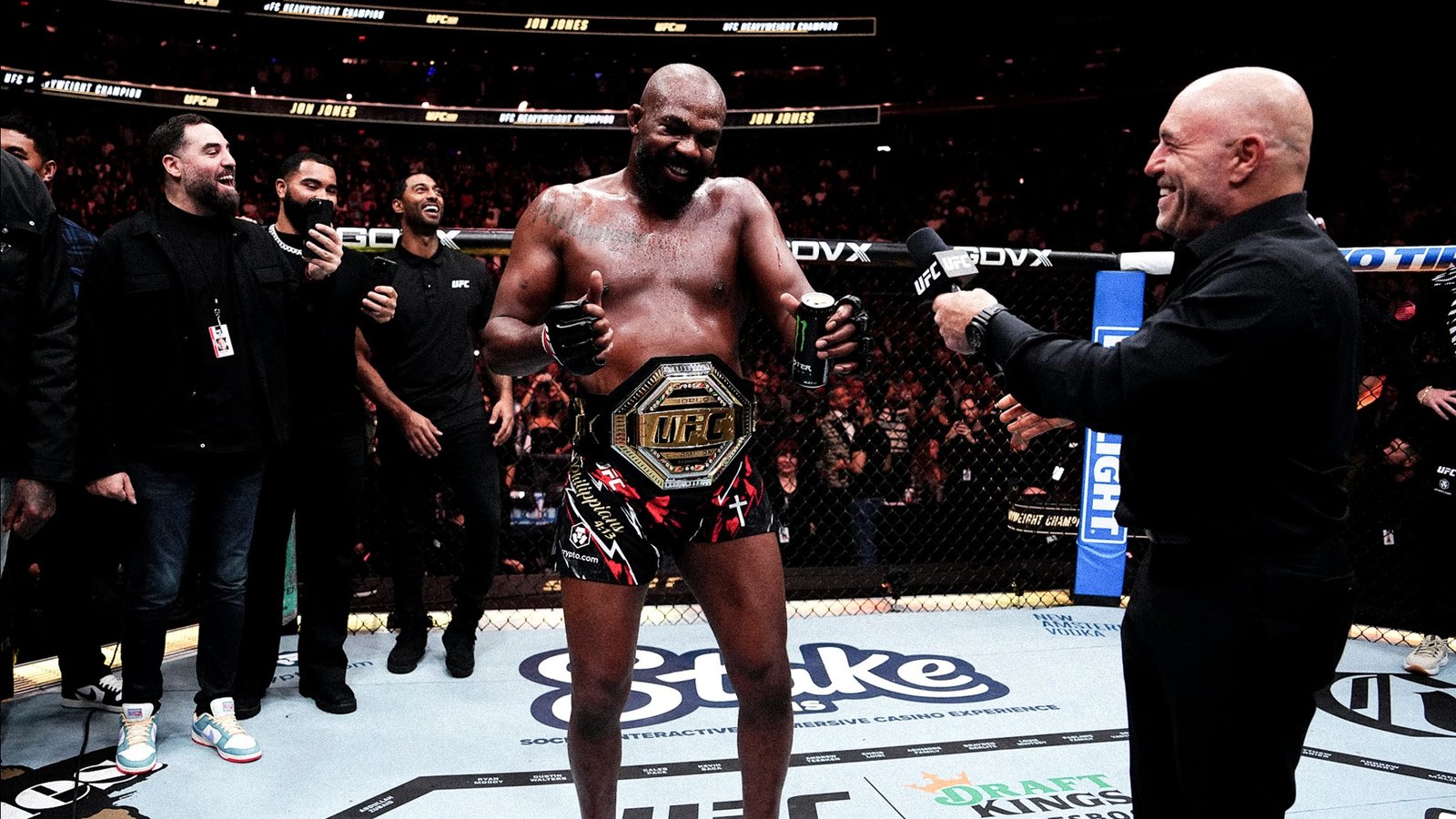


From prelim fighters to prospects and athletes trying to build a career without burning out before they ever reach a title shot, the UFC has controlled that pipeline for years. If you wanted to “make it,” you went there. No questions asked.
Now? There’s at least a conversation. If a fighter can make comparable money, fight fewer times, and have more flexibility in how they build their brand, then suddenly, the UFC isn’t the only option. And that alone changes the dynamic.
The New Leaders
Under TKO Group Holdings, the UFC operates as part of a larger machine, one that prioritizes efficiency, cost control, and long-term profitability. That’s business. But it does create an opening.
Because on the other side, you’ve got MVP and Netflix doing the opposite. They’re spending. They’re experimenting. They’re raising the floor to grab attention and, more importantly, goodwill from fighters who have long felt underpaid.
That contrast is where things get interesting. One side is tightening the system while the other is trying to disrupt it.
The $40K Problem
Rousey said it herself, raising the ceiling matters, but raising the floor is just as important. Because a higher minimum doesn’t just help the fighters, it shifts expectations across the board, giving fighters a reference point and lends leverage to managers. It gives agents something to point to in negotiations.
And once that number is out there, it doesn’t just disappear. The UFC doesn’t have to match it immediately. They don’t even have to acknowledge it publicly. But if more cards like this pop up, and if fighters start choosing them, then eventually, they’ll have to respond.
This Isn’t the End — It’s the Beginning
Let’s not get carried away. The UFC isn’t in danger of collapsing, and fighters aren’t about to leave in waves overnight. But that’s not the point, the point is pressure.
For the first time in a long time, there’s a legitimate alternative model being tested on a big stage. One that prioritizes visibility, guarantees, and fighter-friendly narratives over strict control.
And if it works, even a little, it creates leverage. And leverage is how change actually happens in this sport. Carano vs. Rousey might be the headline. But, the real story the entire MMA world should be paying attention to is fighter pay.
If everything goes smoothly on May 16, the landscape of MMA as we know it could certainly change.