




A giant slayer is someone who defeats a far more powerful, skillful, or celebrated opponent in sport.
Combat sports are more than competition. They are more than spectacle or hobby and they speak to something deeper. They also educate, preserve culture, and tell stories that linger long after the final bell. Some of those stories are celebrated for generations. Others quietly fade, buried beneath time, circumstance, and injustice.
Over centuries of combat, boxing fans have consumed every tale imaginable. From James Braddock’s Cinderella run to George Foreman reclaiming heavyweight glory, it has become increasingly difficult to surprise fans through literature alone. Yet long before Braddock and even before Foreman, one man was laying the foundation for what it truly meant to be a giant slayer.
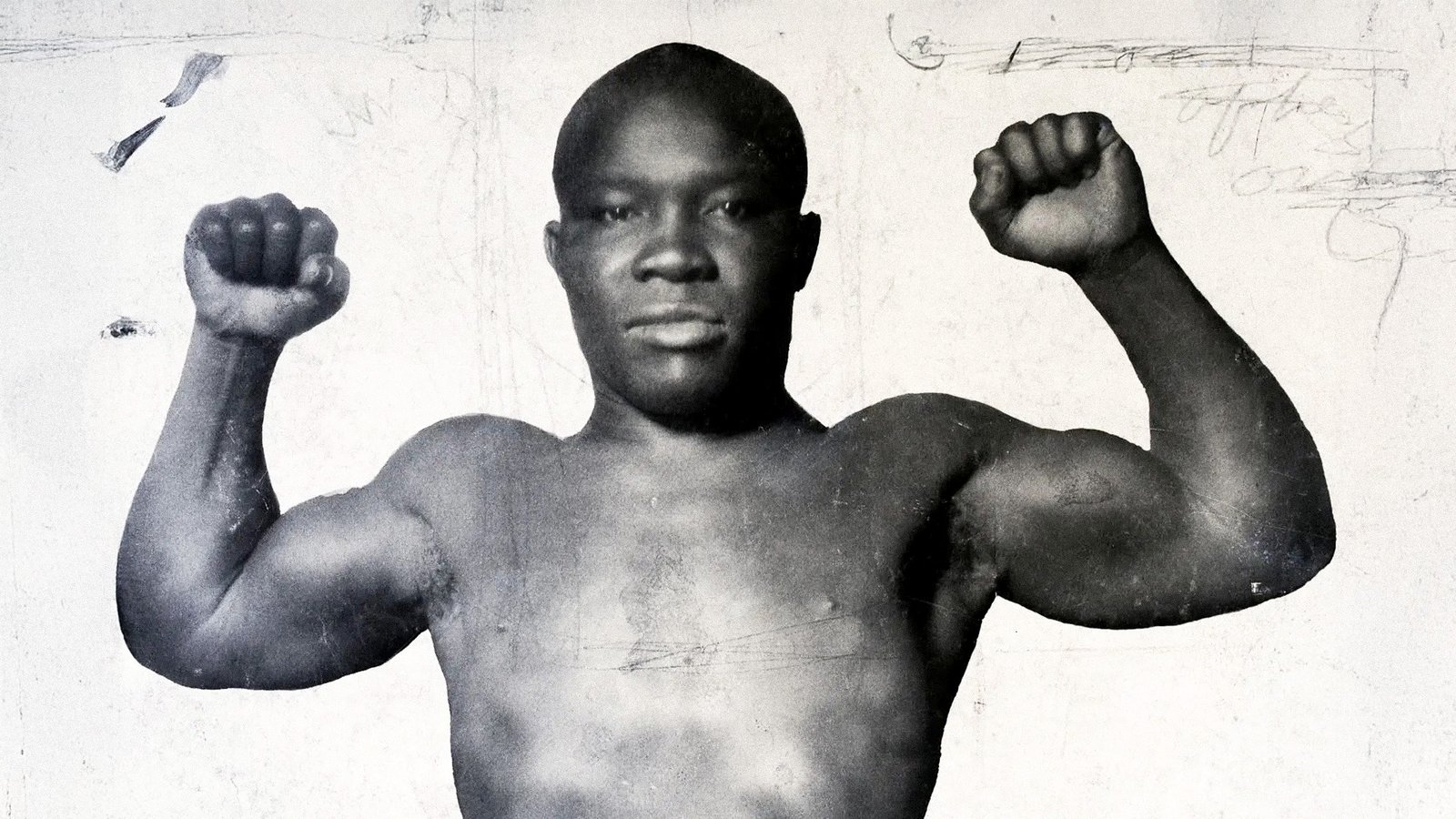
His name was Joe Walcott.
From Barbados to Boston
Born in 1872 under British Guianan rule, Joe Walcott spent much of his youth in Barbados, earning the nicknames “Barbados” and “The Barbados Demon.” While the island was not his birthplace, he was widely recognized as Bajan, a label that followed him throughout his career.
As a teenager, Walcott took work as a cabin boy aboard a ship bound for Boston. Like so many before and after him, he was searching for a better life. Once in the United States, he settled in Boston, scraping together work wherever he could to survive.
By the late 1880s, Walcott found employment in a boxing gym. His intentions were practical, not romantic. He was not chasing fame or fortune, simply a paycheck. What followed, however, was anything but ordinary.
A Reputation Earned the Hard Way
Inside the gym, Walcott quickly became a problem. Fighters discovered that sparring with the compact newcomer often ended poorly. He routinely outworked and outpunched more established names, earning a reputation as an able and dangerous opponent. Though many of the fighters he bested remain anonymous, the message was clear.



Walcott belonged in the ring.
In 1890, he turned professional following a successful amateur run that included a semifinal appearance in the New England welterweight championship tournament. The transition was seamless. Walcott won eight of his first ten professional bouts and fought relentlessly, often competing twice in a single night.
This pace would define his career.
Thriving in Boxing’s Roughest Era
Over the next five years, Walcott navigated boxing’s unforgiving landscape, competing an astonishing 53 times. While records from the era remain disputed, he is widely credited with only three losses during that stretch. Most notable among them was a 15-round decision defeat to future lightweight champion George Lavigne.
Despite victories over respected names like Tom Tracey and Austin Gibbons, Walcott found himself blocked from opportunity. In an era where Black fighters were routinely denied equal chances, his success did not translate to title shots. Reigning welterweight champion Tommy Ryan refused to face him, claiming Walcott had not earned the opportunity.
History suggests otherwise.
Walcott had proven himself among the best welterweights in the world. Still, the door remained closed.
A Dangerous Gamble at Lightweight
Rather than wait for Ryan to lose a title he rarely surrendered, Walcott chose a riskier path. He dropped to lightweight in pursuit of a championship, setting his sights on George “Kid” Lavigne, the same man who had handed him one of his rare defeats years earlier.
By the time their rematch was scheduled for October 29, 1897, Lavigne had become a major attraction. He impressed in each outing on his way to capturing the lightweight crown. While the exact betting odds are unclear, it is safe to assume the champion entered as the favorite.
The reasons were obvious.
Lavigne had beaten Walcott before, but Walcott was now tasked with draining his stocky frame down to the lightweight limit. Reports suggest that making weight required more than sheer discipline. It was a grueling, punishing process, especially by the standards of the era.
Modern sports science makes it easy to understand what such a cut can do to stamina, durability, and long-term health. Looking back, it is remarkable that Walcott even made it to the scales.
When he did, the fight was on.
History Preserves the Loss
The Sacramento Daily Union captured the aftermath on October 30, 1897, under a blunt headline.
“Joe Walcott badly whipped.”
The report detailed the scene in San Francisco, where 10,000 spectators watched Lavigne push an unforgiving pace. From the opening gong through twelve exhausting rounds, the champion pressed forward relentlessly. Though the ending was abrupt, few in attendance believed the outcome would favor Walcott.
It was a thorough defeat, preserved forever in print.
What history failed to capture with equal clarity was the context.
The True Giant Slayer
Joe Walcott was not defined by that loss, nor by the opportunities denied to him. He was defined by the risks he took when safer paths were closed, by the volume of fights he endured, by the opponents he beat when recognition was withheld, and by his willingness to sacrifice his body for a chance at fairness.
In an era that documented his defeats more eagerly than his triumphs, Walcott’s story stands as a reminder. Combat sports do not always reward greatness equally. Sometimes, the truest giant slayers are the ones history almost forgets.
Joe Walcott was one of them.