



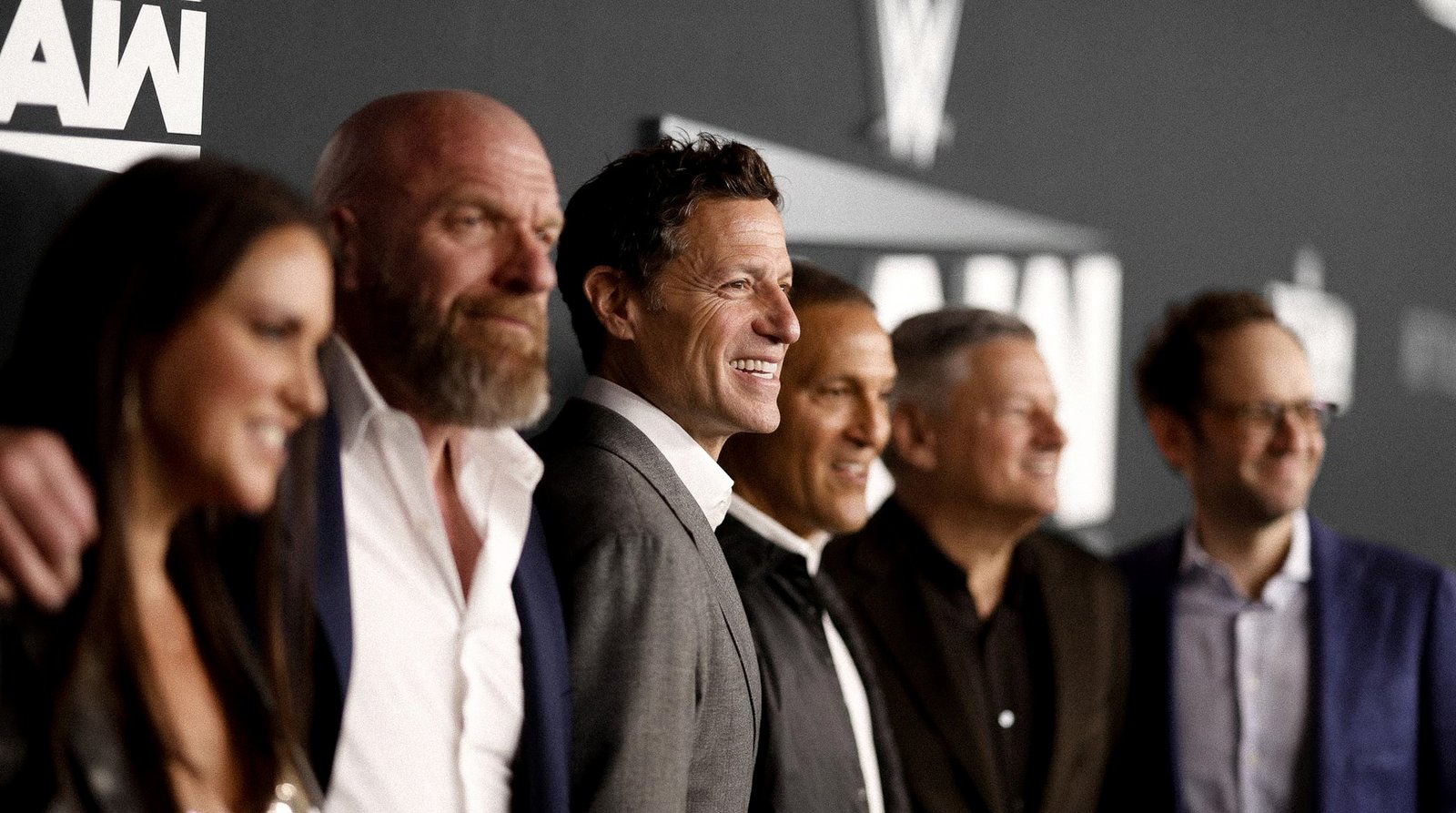

After the fall of WCW, WWE held an unprecedented monopoly over the professional wrestling industry.
That lack of competition had significant consequences over the next two decades, many of which are still felt today. Without a legitimate rival pushing the company, the overall quality of televised wrestling declined for an extended period.
AEW Ended WWE’s Monopoly Era
The rise of All Elite Wrestling changed the landscape. Its arrival not only gave fans a viable alternative but also improved earning opportunities for professional wrestlers, although many would argue talent remains underpaid relative to WWE’s financial success.
AEW’s emergence disrupted the status quo, and WWE responded immediately with what became known as the Wednesday Night Wars. For the first time in decades, WWE found itself in direct competition—and by many accounts, AEW emerged from that battle as the clear No. 2 promotion in the world.
Following that period, WWE largely stepped away from direct counter-programming, seemingly reluctant to risk another public defeat.
That approach changed after TKO assumed control of WWE.
Since then, WWE has resumed aggressively counter-programming AEW events whenever possible. While the results have been mixed, the strategy signals a renewed effort to strengthen WWE’s position atop the industry.
WWE’s Global Expansion Is Accelerating
The company’s ambitions extend beyond competing with AEW.
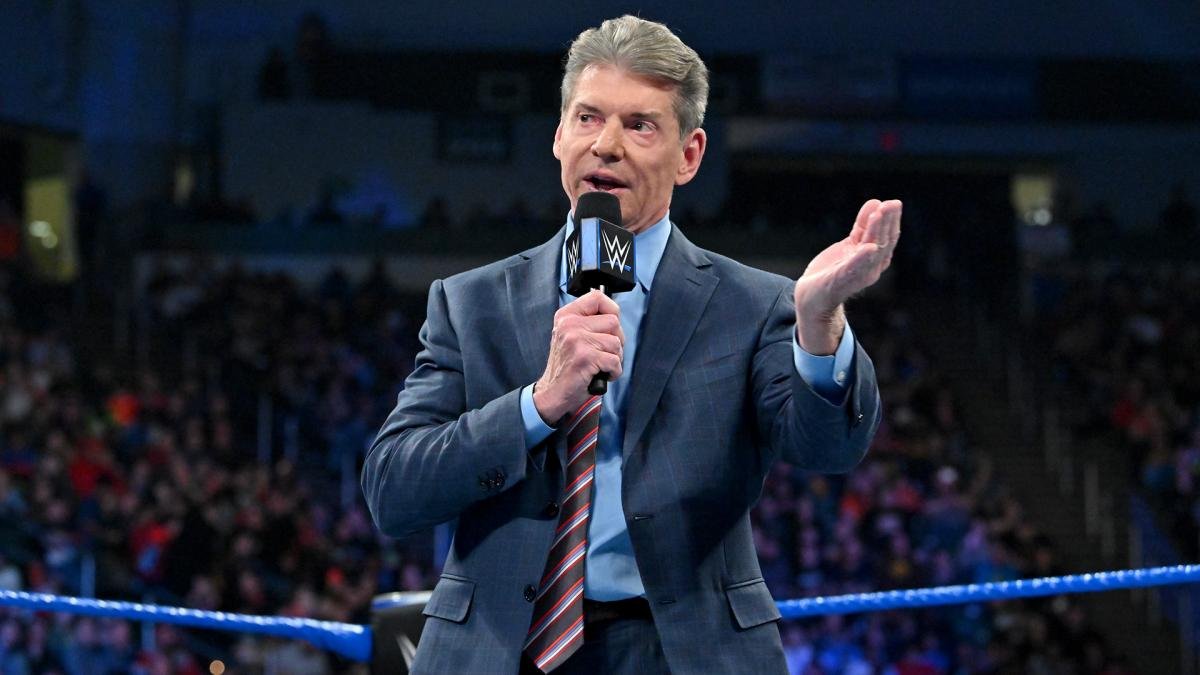

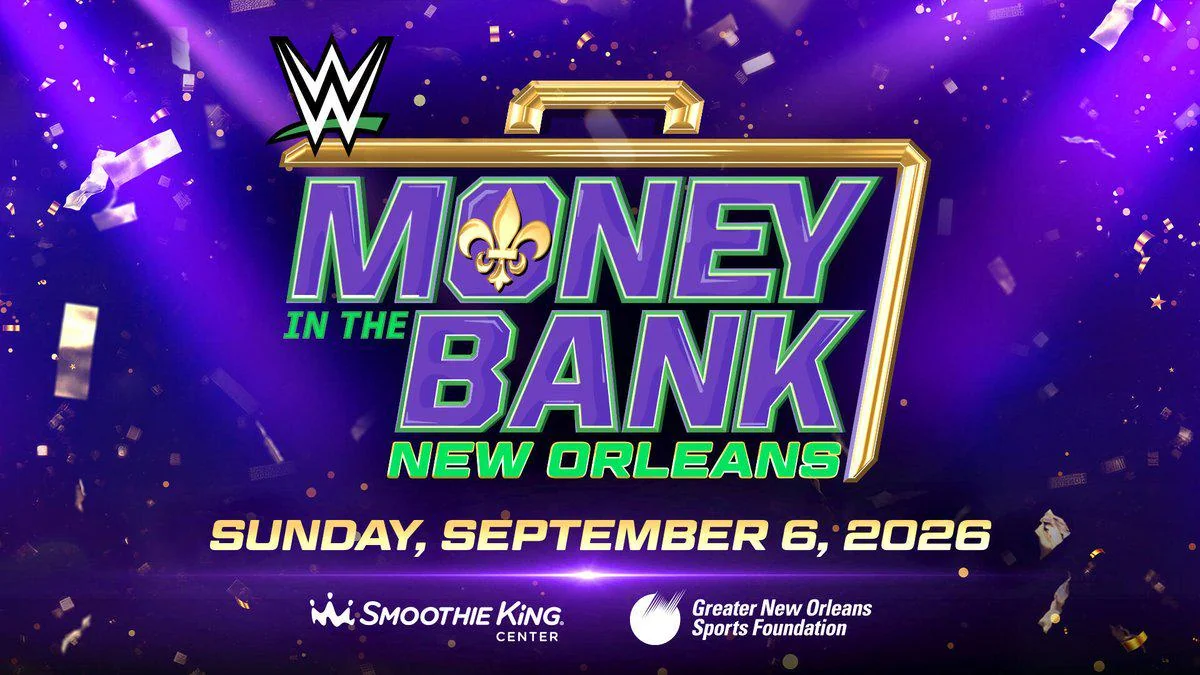
WWE’s acquisition of AAA is one of the biggest developments in modern wrestling history.
By entering the Mexican market and backing AAA in its historic rivalry with CMLL, WWE has significantly altered the balance of power. AAA has already succeeded in attracting several notable talents away from CMLL, further intensifying the competition.
Another area where AEW previously held an advantage was its willingness to collaborate with other wrestling promotions. Historically, WWE rarely pursued partnerships unless they primarily benefited the company.
Today, however, WWE is more open than ever to working with outside promotions, as seen through relationships with AAA, TNA, Pro Wrestling NOAH, and Marigold.
The partnership with TNA is particularly noteworthy. In recent months, speculation has continued to grow that WWE could eventually acquire the promotion outright. While nothing has been confirmed, the close relationship, and WWE signing several of TNA’s top performers, has fueled those discussions.
International expansion also remains a major priority.
For years, WWE has envisioned a global network of developmental territories under the NXT banner. NXT UK represented the company’s first major international expansion and, according to many critics, contributed to slowing the momentum of the independent European wrestling scene by signing many of its biggest stars.
Although TKO’s acquisition delayed plans for NXT Europe, Paul Levesque has stated that the project remains part of WWE’s long-term vision. He has also mentioned the possibility of NXT Japan, highlighting the company’s continued global ambitions.
Is Wrestling Headed Toward Another Monopoly?
The independent wrestling boom that developed during WWE’s previous monopoly ultimately helped create the environment that allowed AEW to exist. WWE appears determined to strengthen its connection to that pipeline through the WWE ID program, which identifies and develops promising independent talent before competitors have the opportunity to sign them.
Supporters view WWE ID as an investment in the future of wrestling, while critics argue it further limits the talent pool available to rival promotions.
Whether intentional or not, WWE’s recent actions point toward a strategy centered on expanding its influence across every level of the wrestling industry. Through acquisitions, partnerships, international growth, and developmental initiatives, the company continues to extend its reach far beyond its own programming.
For now, promotions such as AEW, NJPW, STARDOM, and CMLL remain significant alternatives on the global stage. Whether they can continue providing meaningful competition may ultimately determine whether professional wrestling maintains a healthy competitive landscape, or returns to an era dominated by a single company.